



insalatissime di Tonno con Fagioli, Carote, Peperoni e Olive
Analysis updated May 2026 · How Scout scores
At a glance
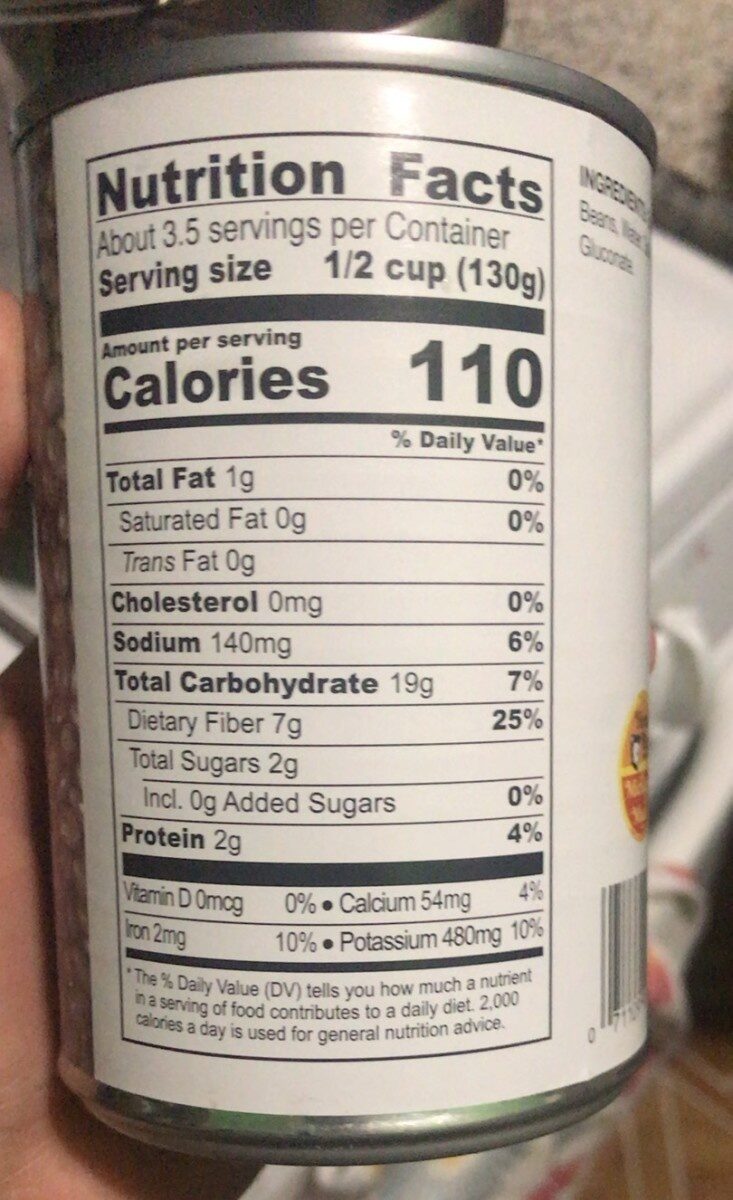
Summary
This product contains beneficial ingredients like cannellini beans, tuna, green beans, and carrots, which provide essential nutrients and are minimally processed. However, the presence of corn oil, a heavily processed seed oil high in omega-6 fatty acids, negatively impacts the healthiness of the product. The overall processing level of the product also limits its score, despite the presence of nutritious components.
Key ingredients 8
Cannellini BeansGood
Cannellini beans are a good source of plant-based protein and fiber, supporting digestive health. They are minimally processed and provide essential nutrients like iron and magnesium. Compared to refined grains, they offer a more complex carbohydrate profile.
Benefits
Rich in fiber and protein, promoting satiety and digestive health. Contains essential minerals such as iron and magnesium.
TunaGood
Tuna is a high-quality source of animal protein and omega-3 fatty acids, beneficial for heart and brain health. It is typically processed through canning, which preserves its nutritional value. Compared to plant-based proteins, tuna offers a richer amino acid profile.
Risks
Potential risk of mercury contamination, especially in larger fish species.
Benefits
Provides essential omega-3 fatty acids that support cardiovascular and cognitive health. High in protein, aiding in muscle maintenance and repair.
Green BeansGood
Green beans are a low-calorie vegetable rich in vitamins A, C, and K, supporting immune function and bone health. They are minimally processed and retain most of their nutrients. Compared to canned vegetables, fresh or frozen green beans offer better nutrient retention.
Benefits
Provides vitamins and minerals that support overall health. Low in calories and high in fiber, aiding in weight management.
CarrotsGood
Carrots are a nutrient-dense vegetable high in beta-carotene, which the body converts to vitamin A. They are minimally processed and provide antioxidants that support eye health. Compared to other root vegetables, carrots have a lower glycemic index.
Benefits
Rich in beta-carotene, supporting vision and immune health. Provides dietary fiber, aiding in digestion.
Bell PeppersNeutral
Bell peppers are a source of vitamins C and A, contributing to immune support and skin health. They are typically consumed fresh or minimally processed. Compared to other vegetables, they offer a unique flavor and color variety.
Benefits
Provides vitamins and antioxidants that support immune function and skin health.
Black OlivesNeutral
Black olives are a source of healthy fats and antioxidants, though they are often high in sodium due to brining. They are minimally processed but may contain added preservatives. Compared to green olives, they have a slightly different nutrient profile and flavor.
Risks
High sodium content due to brining process may contribute to elevated blood pressure if consumed in excess.
Benefits
Contains healthy monounsaturated fats and antioxidants that support heart health.
SaltNeutral
Salt is used as a seasoning and preservative, enhancing flavor and extending shelf life. It is a simple, unprocessed mineral but can contribute to high sodium intake. Compared to other preservatives, salt is a natural option but should be consumed in moderation.
Risks
Excessive consumption may lead to high blood pressure and increased risk of cardiovascular disease.
Benefits
Enhances flavor and acts as a natural preservative.
Corn OilVery Bad
Corn oil is a seed oil high in omega-6 fatty acids, which can promote inflammation if consumed excessively. It is heavily processed, often involving chemical extraction methods. Compared to healthier oils like olive oil, it lacks beneficial antioxidants.
Risks
High omega-6 content may promote inflammation when consumed in excess. Processing methods may involve chemical solvents.
Processing
Processed Foods
Get the full breakdown in the Scout appTake Scout shopping
Scan any product to see lab results, healthy alternatives, and your personalized analysis.
Download on theApp Store GET IT ONGoogle Play