
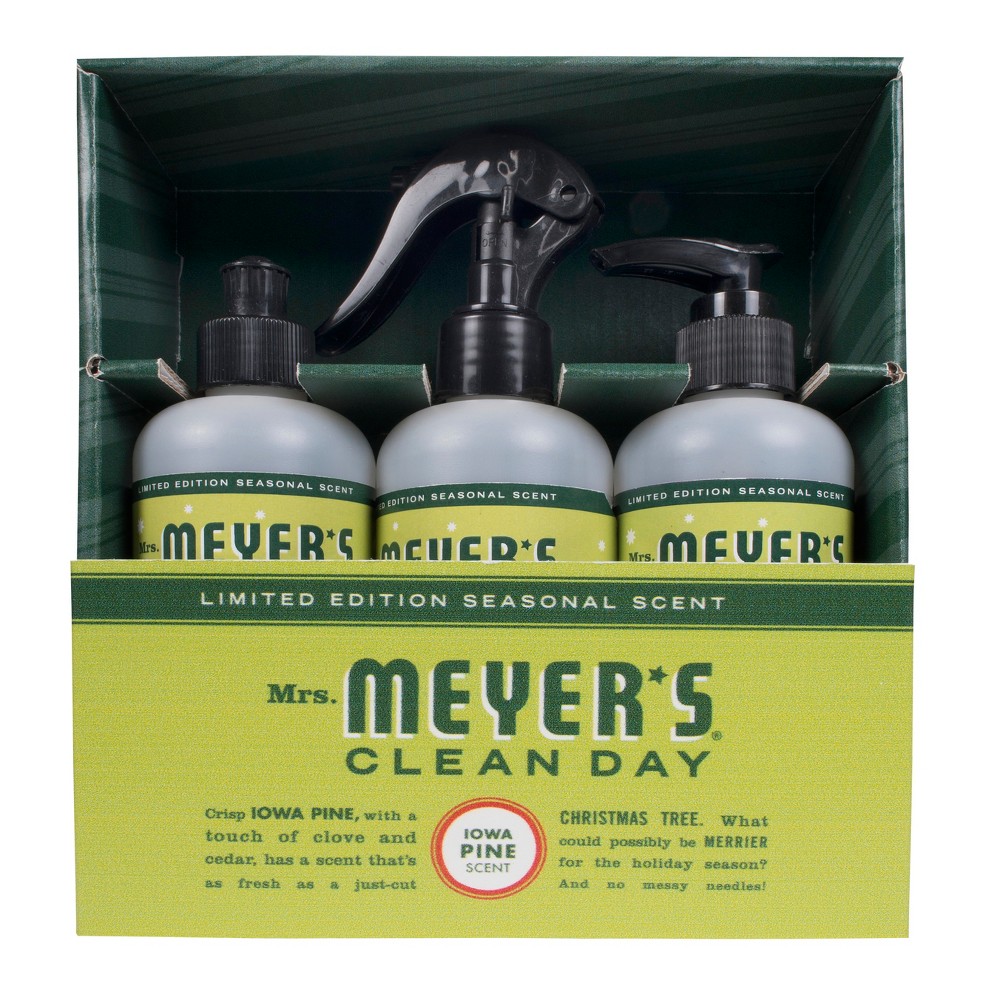


Mrs. Meyer's Iowa Pine Scented Household Cleaner and Disinfectant - 3ct
Summary
This household cleaner contains mostly plant-derived ingredients such as decyl glucoside and essential oils, which are generally considered safer for indoor use and environmentally friendly. However, the presence of synthetic preservatives like benzisothiazolinone and methylisothiazolinone, along with synthetic fragrance, slightly reduces its overall safety profile. The product is moderately processed, which impacts its score, but it avoids harsher chemicals like SLS or bleach.
At a glance
Key ingredients 10
Decyl Glucoside
Decyl glucoside is a mild, plant-derived surfactant used for its gentle cleansing properties. It is biodegradable and considered safe for the environment. It is often used in eco-friendly cleaning products.
Risks
There are minimal risks associated with decyl glucoside, though some individuals may experience mild skin irritation.
Benefits
It is a gentle surfactant that effectively cleans without stripping natural oils, making it suitable for sensitive skin.
Polysorbate 20
Polysorbate 20 is an emulsifier used to mix oil and water-based ingredients. It is derived from sorbitol, a sugar alcohol, and is commonly used in cosmetics and cleaning products. It helps stabilize formulations and improve texture.
Risks
There is a potential for skin irritation, especially in individuals with sensitive skin.
Benefits
It helps improve the consistency and effectiveness of cleaning products by ensuring even distribution of ingredients.
Betula Alba (Birch) Bark Extract
Betula alba bark extract is derived from the birch tree and is known for its astringent and anti-inflammatory properties. It is often used in skincare and cleaning products for its natural benefits. It can help soothe and cleanse the skin.
Risks
There is a low risk of allergic reactions, particularly in individuals with tree pollen allergies.
Benefits
It provides natural astringent properties that can help tighten and cleanse the skin.
Saccharomyces Ferment
Saccharomyces ferment is a type of yeast extract used for its conditioning and moisturizing properties. It is often included in formulations to enhance skin feel and product performance. It can also act as a natural preservative.
Risks
There is a minimal risk of skin irritation or allergic reactions.
Benefits
It helps improve the texture and hydration of the skin, making it feel smoother and more conditioned.
Picea Mariana (Spruce) Leaf Oil
Picea mariana leaf oil is an essential oil derived from the black spruce tree. It is used for its refreshing scent and potential antimicrobial properties. It is often included in natural cleaning products for its aromatic benefits.
Risks
Essential oils can cause skin irritation or allergic reactions in sensitive individuals.
Benefits
It provides a natural, pleasant fragrance and may offer antimicrobial benefits.
Fragrance
Fragrance is a synthetic or natural compound used to impart a pleasant scent to products. It is commonly used in cleaning products to mask chemical odors. However, the specific components of 'fragrance' are often undisclosed.
Risks
Synthetic fragrances can cause skin irritation, allergic reactions, and may contain phthalates, which are endocrine disruptors.
Benefits
It enhances the sensory experience of using the product by providing a pleasant scent.
Benzisothiazolinone
Benzisothiazolinone is a synthetic preservative used to prevent microbial growth in products. It is effective at low concentrations and helps extend the shelf life of formulations. It is commonly used in cleaning products.
Risks
It can cause skin irritation and allergic reactions, particularly in individuals with sensitive skin.
Benefits
It helps maintain product integrity by preventing microbial contamination.
Methylisothiazolinone
Methylisothiazolinone is a synthetic preservative used to inhibit the growth of bacteria and fungi. It is effective in small amounts and is widely used in personal care and cleaning products. It helps ensure product safety and longevity.
Risks
It is a known skin sensitizer and can cause allergic reactions, particularly with prolonged exposure.
Benefits
It provides effective preservation, reducing the risk of product spoilage and contamination.
Thuja Occidentalis (Cedar) Leaf Oil
Thuja occidentalis leaf oil is an essential oil derived from the cedar tree. It is used for its aromatic properties and potential antimicrobial effects. It is often included in natural cleaning products for its fragrance and benefits.
Risks
Essential oils can cause skin irritation or allergic reactions in sensitive individuals.
Benefits
It provides a natural, woody fragrance and may offer antimicrobial benefits.
Sodium Sulfate
Sodium sulfate is an inorganic salt used as a filler and thickening agent in cleaning products. It helps improve the texture and consistency of formulations. It is commonly used in powdered detergents and cleaners.
Risks
There are minimal risks associated with sodium sulfate, though it can cause mild skin irritation in some individuals.
Benefits
It helps enhance the texture and performance of cleaning products by acting as a filler.
Processing
Processed Foods
Get the full breakdown in the Scout app
Scan any product to see lab results, healthy alternatives, and your personalized analysis.
Download on theApp Store