

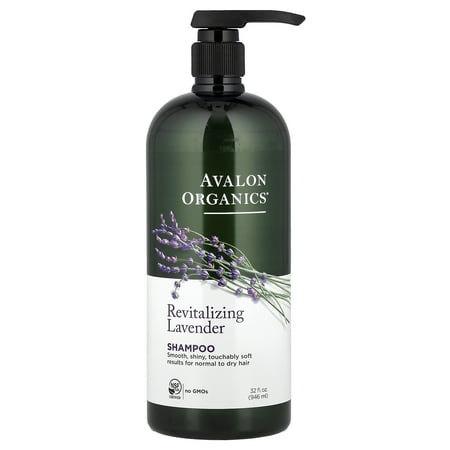
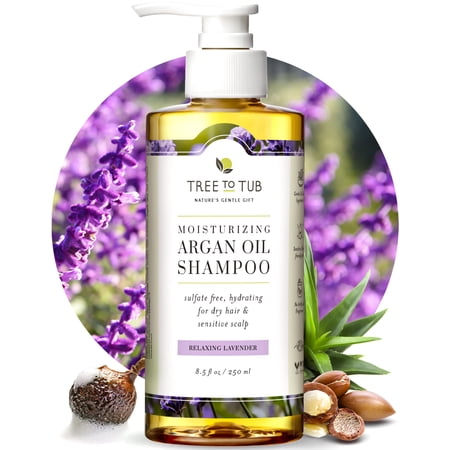


Lavender Shampoo
Summary
This lavender shampoo is processed and contains some synthetic additives, which slightly detract from its overall safety profile. However, it avoids harsh ingredients like SLS and parabens, and may include beneficial components such as gentle surfactants or natural oils. The processing level and presence of synthetic fragrance prevent it from achieving a higher score.
At a glance
Key ingredients 6
WaterNeutral
Water is a common solvent used in shampoos to dissolve other ingredients and provide a base for the formulation. It helps in distributing the shampoo evenly across the hair and scalp. It is generally considered safe and non-reactive.
Risks
There are no significant risks associated with water in cosmetic formulations.
Benefits
Water hydrates the hair and scalp, aiding in the cleansing process.
Sodium Laurylglucosides Hydroxypropylsulfonate
Sodium Laurylglucosides Hydroxypropylsulfonate is a mild surfactant derived from natural sources, often used in gentle cleansing products. It is known for its ability to cleanse without stripping natural oils from the hair. This makes it suitable for sensitive scalps.
Risks
There are minimal risks associated with this ingredient, though some individuals may experience mild irritation.
Benefits
It provides effective cleansing while maintaining the hair's natural moisture balance.
Sodium olivate
Sodium olivate is derived from olive oil and acts as a gentle surfactant and emulsifier in shampoos. It is known for its moisturizing properties and ability to condition the hair. This ingredient is beneficial for maintaining hair softness and shine.
Risks
There are minimal risks, though it may cause mild irritation in very sensitive individuals.
Benefits
It helps to nourish and condition the hair, enhancing its texture and appearance.
Decyl glucoside
Decyl glucoside is a non-ionic surfactant derived from glucose and coconut oil, known for its mildness and biodegradability. It is suitable for sensitive skin and helps to gently cleanse the hair without causing dryness. This makes it an excellent choice for natural and organic formulations.
Risks
There are minimal risks associated with decyl glucoside, making it suitable for most users.
Benefits
It provides gentle cleansing and is environmentally friendly due to its biodegradable nature.
Disodium cocoyl glutamate
Disodium cocoyl glutamate is a mild surfactant derived from coconut oil and glutamic acid, known for its gentle cleansing properties. It is often used in formulations for sensitive skin due to its low irritation potential. This ingredient helps to maintain the natural moisture balance of the hair and scalp.
Risks
There are minimal risks, though it may cause mild irritation in rare cases.
Benefits
It effectively cleanses while being gentle on the skin and hair, making it suitable for frequent use.
Glyceryl caprylate/caprate
Glyceryl caprylate/caprate is an emollient and emulsifier derived from glycerin and caprylic/capric acids, known for its moisturizing properties. It helps to stabilize formulations and improve the texture of the product. This ingredient is beneficial for enhancing the skin's barrier function.
Risks
There are minimal risks associated with this ingredient, making it safe for most users.
Benefits
It provides moisturizing benefits and helps to improve the overall feel of the shampoo.
Processing
Processed Foods
Get the full breakdown in the Scout app
Scan any product to see lab results, healthy alternatives, and your personalized analysis.
Download on theApp Store