


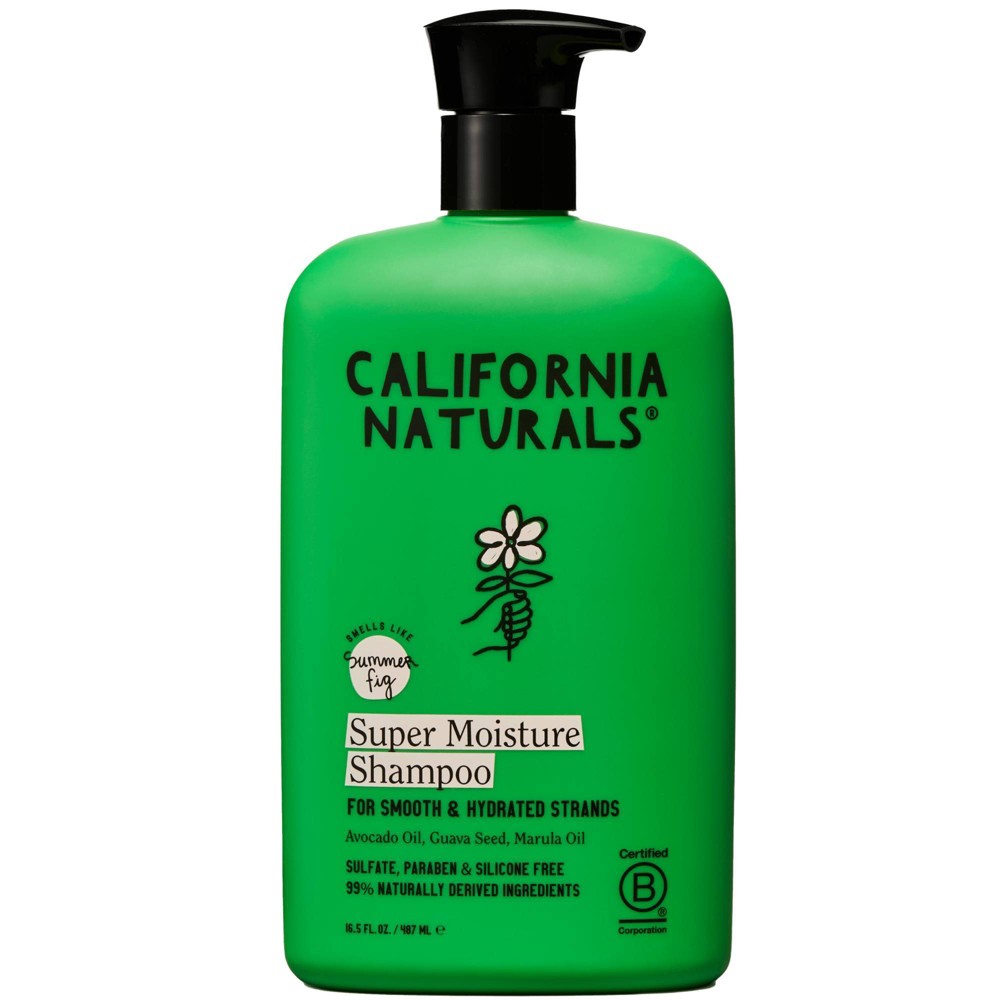


Pura d'or Premium Organic Anti-Hair Loss Shampoo (Gold Label), 16 Fluid Ounce
Analysis updated October 2026 · How Scout scores
At a glance
Summary
This shampoo features a blend of beneficial ingredients such as aloe vera, tea tree oil, and argan oil, which are known for their soothing and nourishing properties. It avoids harsh sulfates, parabens, and silicones, opting instead for gentle surfactants like decyl glucoside. The inclusion of natural extracts and oils supports scalp health and hair vitality, making it a strong choice for those seeking a clean and effective hair care product.
Key ingredients 37
Melaleuca Alternifolia (Tea Tree) Leaf OilVery Good
Tea tree oil is renowned for its antimicrobial and anti-inflammatory properties. It helps to maintain a healthy scalp by reducing dandruff and irritation.
Risks
In rare cases, tea tree oil may cause allergic reactions or irritation.
Benefits
It supports scalp health and can reduce dandruff and irritation.
Argania Spinosa (Argan) Kernel OilVery Good
Argan oil is rich in essential fatty acids and vitamin E, providing deep conditioning and nourishment to the hair. It helps to improve hair elasticity and shine.
Risks
There are minimal risks, though it may weigh down fine hair if used in excess.
Benefits
It deeply conditions and nourishes the hair, improving its overall health and appearance.
Decolorized Aloe Barbadensis (Aloe Vera) Leaf JuiceGood
Aloe vera is known for its hydrating and soothing properties, making it beneficial for the scalp. It helps to maintain moisture balance and can reduce scalp irritation.
Risks
There are minimal risks associated with aloe vera, though some individuals may experience allergic reactions.
Benefits
Aloe vera can promote a healthy scalp environment, which is conducive to hair growth.
Decyl GlucosideGood
Decyl glucoside is a mild, non-ionic surfactant derived from glucose and coconut oil. It is gentle on the skin and hair, making it suitable for sensitive scalps.
Risks
There are no significant risks associated with decyl glucoside.
Benefits
It effectively cleanses without stripping natural oils, maintaining the scalp's natural barrier.
Cocamidopropyl HydroxysultaineGood
This ingredient is a mild surfactant that helps to create foam and cleanse the hair. It is derived from coconut oil and is considered gentle.
Risks
Some individuals may experience mild irritation or allergic reactions.
Benefits
It provides effective cleansing while being gentle on the scalp and hair.
Lactobacillus FermentGood
Lactobacillus ferment is a probiotic ingredient that helps to balance the scalp's microbiome. It can improve scalp health and reduce irritation.
Risks
There are minimal risks associated with this ingredient.
Benefits
It promotes a healthy scalp environment, which can support hair growth.
Salix Alba (Willow) Bark ExtractGood
Willow bark extract is known for its anti-inflammatory and exfoliating properties. It can help to soothe the scalp and remove dead skin cells.
Risks
There are minimal risks, though some individuals may experience mild irritation.
Benefits
It promotes a healthy scalp by reducing inflammation and exfoliating dead skin cells.
Nigella Sativa (Black Cumin) Seed OilGood
Black cumin seed oil is known for its antioxidant and anti-inflammatory properties. It can help to soothe the scalp and promote hair health.
Risks
There are minimal risks, though some individuals may experience mild irritation.
Benefits
It supports scalp health and can enhance hair strength and shine.
Urtica Dioica (Nettle) Leaf ExtractGood
Nettle leaf extract is rich in vitamins and minerals that support hair health. It can help to reduce hair loss and promote hair growth.
Risks
There are minimal risks, though some individuals may experience mild irritation.
Benefits
It supports hair growth and reduces hair loss by nourishing the scalp.
Grateloupia Elliptica (Red Korean Seaweed) ExtractGood
Red Korean seaweed extract is rich in nutrients and antioxidants that support scalp health. It can help to strengthen hair and improve its texture.
Risks
There are minimal risks associated with this ingredient.
Benefits
It nourishes the scalp and strengthens hair, improving its overall health.
BiotinGood
Biotin is a B-vitamin that supports hair health and growth. It is essential for keratin production, which strengthens hair.
Risks
There are minimal risks, though excessive intake can lead to skin rashes.
Benefits
It strengthens hair and supports healthy growth by promoting keratin production.
Serenoa Serrulata (Saw Palmetto) Fruit ExtractGood
Saw palmetto extract is known for its potential to reduce hair loss by inhibiting DHT, a hormone linked to hair thinning. It supports hair health and growth.
Risks
There are minimal risks, though some individuals may experience mild irritation.
Benefits
It supports hair growth and reduces hair loss by inhibiting DHT.
Cedrus Atlantica (Cedarwood) Bark OilGood
Cedarwood oil is known for its ability to balance oil production on the scalp. It can help to reduce dandruff and promote hair growth.
Risks
There are minimal risks, though some individuals may experience mild irritation.
Benefits
It balances scalp oil production and promotes hair growth.
Rosmarinus Officinalis (Rosemary) Leaf OilGood
Rosemary oil is known for its ability to stimulate hair growth and improve circulation to the scalp. It can help to reduce dandruff and promote a healthy scalp.
Risks
There are minimal risks, though some individuals may experience mild irritation.
Benefits
It stimulates hair growth and improves scalp health by enhancing circulation.
Salvia Sclarea (Clary) OilGood
Clary oil is known for its ability to balance scalp oils and reduce inflammation. It can help to promote a healthy scalp environment.
Risks
There are minimal risks, though some individuals may experience mild irritation.
Benefits
It balances scalp oils and reduces inflammation, promoting a healthy scalp.
Polygonum Multiflorum (He Shou Wu) Root ExtractGood
He Shou Wu is a traditional Chinese herb known for its potential to promote hair growth and reduce hair loss. It is rich in antioxidants and nutrients.
Risks
There are minimal risks, though some individuals may experience mild irritation.
Benefits
It promotes hair growth and reduces hair loss by nourishing the scalp.
Hibiscus Sabdariffa (Hibiscus) Flower ExtractGood
Hibiscus extract is known for its ability to condition the hair and promote hair growth. It is rich in vitamins and antioxidants.
Risks
There are minimal risks, though some individuals may experience mild irritation.
Benefits
It conditions the hair and promotes growth by nourishing the scalp.
Prunus Africana (Pygeum) Bark ExtractGood
Pygeum bark extract is known for its anti-inflammatory properties and potential to reduce hair loss. It supports scalp health.
Risks
There are minimal risks, though some individuals may experience mild irritation.
Benefits
It supports scalp health and reduces hair loss by reducing inflammation.
Cucurbita Pepo (Pumpkin) Seed OilGood
Pumpkin seed oil is rich in essential fatty acids and nutrients that support hair health. It can help to reduce hair loss and promote growth.
Risks
There are minimal risks, though some individuals may experience mild irritation.
Benefits
It supports hair growth and reduces hair loss by nourishing the scalp.
Camellia Sinensis (Green Tea) Leaf ExtractGood
Green tea extract is rich in antioxidants and has anti-inflammatory properties. It can help to soothe the scalp and promote hair growth.
Risks
There are minimal risks, though some individuals may experience mild irritation.
Benefits
It soothes the scalp and promotes hair growth by reducing inflammation.
Phyllanthus Emblica (Amla) Fruit OilGood
Amla oil is rich in vitamin C and antioxidants, supporting hair health and growth. It can help to strengthen hair and reduce hair loss.
Risks
There are minimal risks, though some individuals may experience mild irritation.
Benefits
It strengthens hair and promotes growth by providing essential nutrients.
Nicotinic Acid (Niacin)Good
Niacin is a B-vitamin that supports scalp circulation and hair health. It can help to promote hair growth.
Risks
There are minimal risks, though excessive use can cause skin flushing.
Benefits
It promotes hair growth and supports scalp health by enhancing circulation.
Tocopherol (Vitamin E)Good
Vitamin E is a powerful antioxidant that supports hair health and growth. It can help to reduce oxidative stress on the scalp.
Risks
There are minimal risks, though excessive use can lead to skin irritation.
Benefits
It supports hair health and growth by reducing oxidative stress.
Polyquaternium-71Neutral
Polyquaternium-71 is a conditioning agent that helps to improve hair texture and manageability. It forms a protective film on the hair shaft.
Risks
There are no significant risks, though it may cause buildup with prolonged use.
Benefits
It enhances hair smoothness and reduces static.
Cocamide MipaNeutral
Cocamide Mipa is a foam booster and thickener derived from coconut oil. It helps to stabilize the formulation.
Risks
It may cause mild irritation in sensitive individuals.
Benefits
It enhances the texture and consistency of the shampoo.
Disodium Laureth SulfosuccinateNeutral
This is a mild surfactant used for its cleansing properties. It is less irritating than traditional sulfates.
Risks
There are minimal risks, though it may cause mild irritation in some individuals.
Benefits
It provides effective cleansing without the harshness of traditional sulfates.
Polyquaternium-73Neutral
Polyquaternium-73 is used as a conditioning agent to improve hair texture. It helps to reduce frizz and enhance shine.
Risks
There are no significant risks, though it may cause buildup with prolonged use.
Benefits
It improves hair manageability and appearance.
Disodium Lauryl SulfosuccinateNeutral
This ingredient is a mild surfactant that provides cleansing without the harshness of traditional sulfates. It is considered gentle on the skin and hair.
Risks
There are minimal risks, though it may cause mild irritation in some individuals.
Benefits
It effectively cleanses while being gentle on the scalp and hair.
Zinc SulfateNeutral
Zinc sulfate is used for its potential to support scalp health and reduce dandruff. It is an essential mineral for hair health.
Risks
Excessive use can lead to irritation or dryness.
Benefits
It supports scalp health and reduces dandruff by providing essential minerals.
Soy IsoflavonesNeutral
Soy isoflavones are known for their antioxidant properties and potential to support hair health. They can help to reduce hair loss.
Risks
There are minimal risks, though some individuals may experience mild irritation.
Benefits
They support hair health and reduce hair loss by providing antioxidants.
Beta-SitosterolNeutral
Beta-sitosterol is known for its potential to reduce hair loss by inhibiting DHT. It supports hair health.
Risks
There are minimal risks, though some individuals may experience mild irritation.
Benefits
It supports hair health and reduces hair loss by inhibiting DHT.
Citrus Limon (Lemon) Peel OilNeutral
Lemon peel oil is known for its refreshing scent and potential to clarify the scalp. It can help to reduce dandruff.
Risks
It may cause photosensitivity or irritation in some individuals.
Benefits
It clarifies the scalp and reduces dandruff, providing a refreshing scent.
Citrus Grandis (Grapefruit) Seed ExtractNeutral
Grapefruit seed extract is known for its antimicrobial properties and potential to support scalp health. It can help to reduce dandruff.
Risks
There are minimal risks, though some individuals may experience mild irritation.
Benefits
It supports scalp health and reduces dandruff by providing antimicrobial properties.
Cymbopogon Flexuosus (Lemongrass) OilNeutral
Lemongrass oil is known for its refreshing scent and potential to reduce dandruff. It can help to balance scalp oils.
Risks
It may cause irritation or photosensitivity in some individuals.
Benefits
It balances scalp oils and reduces dandruff, providing a refreshing scent.
Sorbitan Oleate Decylglucoside CrosspolymerNeutral
This ingredient is used as an emulsifier to stabilize the formulation. It is derived from natural sources and is considered gentle.
Risks
There are minimal risks associated with this ingredient.
Benefits
It stabilizes the formulation, ensuring consistent texture and performance.
Xylityl SesquicaprylateNeutral
Xylityl sesquicaprylate is used as a conditioning agent to improve hair texture. It is derived from natural sources.
Risks
There are minimal risks associated with this ingredient.
Benefits
It improves hair texture and manageability.
Citric AcidNeutral
Citric acid is used to adjust the pH of the formulation. It is derived from citrus fruits and is considered safe.
Risks
There are minimal risks, though excessive use can cause irritation.
Benefits
It helps to maintain the pH balance of the formulation, ensuring product stability.
Get the full breakdown in the Scout appTake Scout shopping
Scan any product to see lab results, healthy alternatives, and your personalized analysis.
Download on theApp Store GET IT ONGoogle Play