


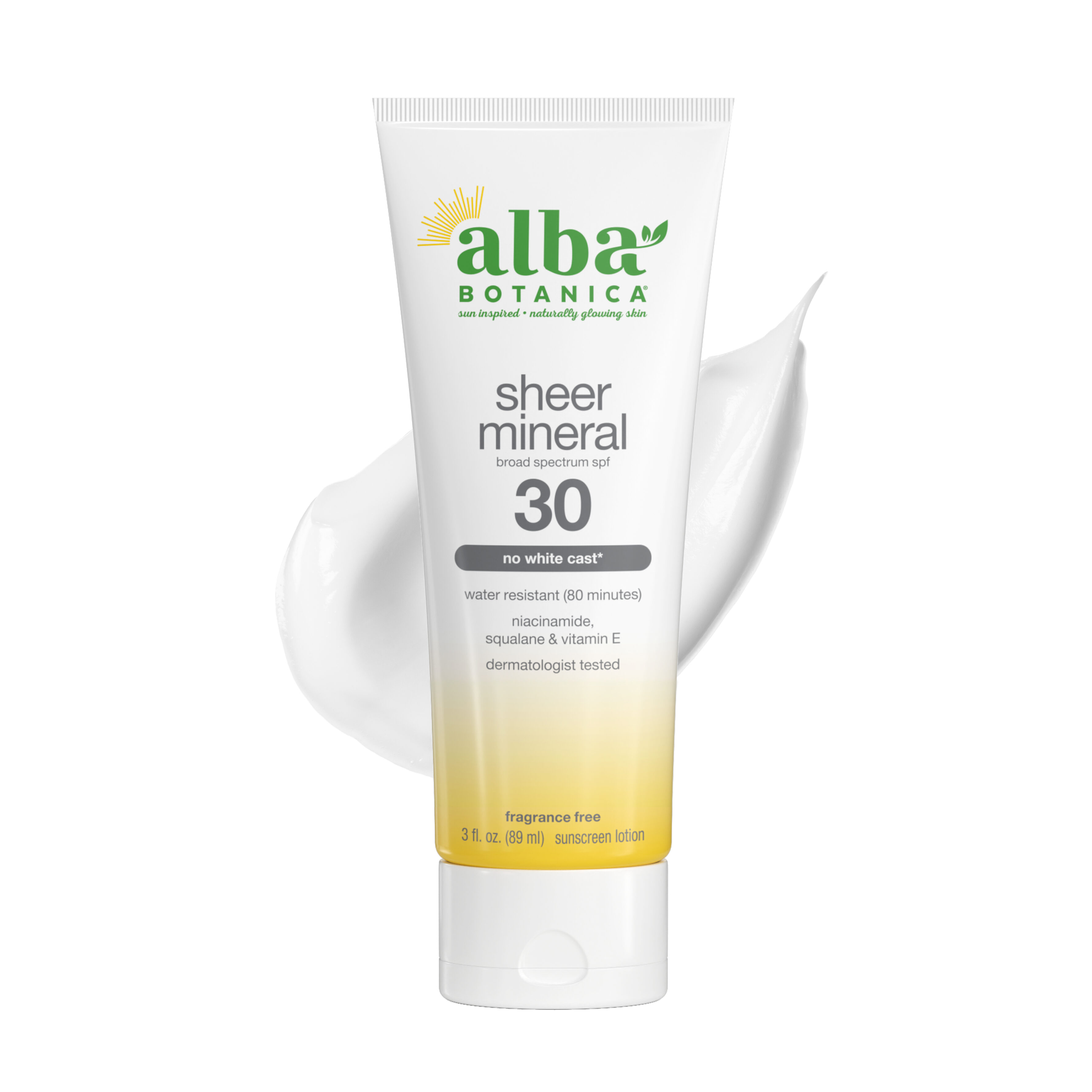
Fotoprotector Isdin Fusion Gel Spf 50+ 100ml
Summary
This sunscreen contains chemical UV filters, which can be concerning due to potential endocrine disruption. While it offers high SPF protection, the presence of synthetic ingredients and the level of processing reduce its overall score. The product lacks the natural oils and butters that would enhance its safety profile, and the ingredient list does not prioritize minimal processing or clean label standards.
At a glance
Key ingredients 11
Alcohol Denat.
Alcohol Denat. is used as a solvent and to help other ingredients penetrate the skin. It can also act as an astringent, providing a quick-drying finish. However, it can be drying and irritating to the skin, especially in high concentrations.
Risks
Potential to cause skin dryness and irritation.
Benefits
Helps other ingredients penetrate the skin more effectively.
Dibutyl Adipate
Dibutyl Adipate is an emollient that helps to soften and smooth the skin. It is often used in sunscreens to improve the spreadability of the product. While generally considered safe, it can cause irritation in sensitive individuals.
Risks
May cause skin irritation in sensitive individuals.
Benefits
Improves the texture and spreadability of sunscreen products.
Diisopropyl Sebacate
Diisopropyl Sebacate is used as an emollient and solvent in cosmetic formulations. It provides a lightweight, non-greasy feel to the skin. It is generally considered safe with low risk of irritation.
Risks
Low risk of skin irritation.
Benefits
Provides a lightweight, non-greasy feel to the skin.
Octocrylene
Octocrylene is a chemical sunscreen agent that absorbs UVB and short UVA rays. It is often used to stabilize other sunscreen ingredients. However, it can cause skin irritation and has been associated with contact allergies.
Risks
Potential for skin irritation and contact allergies.
Benefits
Stabilizes other sunscreen ingredients and provides UV protection.
Butyl Methoxydibenzoylmethane
Butyl Methoxydibenzoylmethane, also known as Avobenzone, is a chemical sunscreen that absorbs the full spectrum of UVA rays. It is essential for broad-spectrum sun protection. However, it can degrade in sunlight, reducing its effectiveness unless stabilized by other ingredients.
Risks
Can degrade in sunlight, reducing effectiveness.
Benefits
Provides broad-spectrum UVA protection.
Ethylhexyl Salicylate
Ethylhexyl Salicylate is a chemical sunscreen agent that absorbs UVB rays. It is often used to enhance the SPF of a product. While generally safe, it can cause skin irritation in some individuals.
Risks
May cause skin irritation in sensitive individuals.
Benefits
Enhances the SPF of sunscreen products.
Phenethyl Benzoate
Phenethyl Benzoate is used as a fragrance ingredient and solvent in cosmetics. It provides a pleasant scent and helps dissolve other ingredients. It is generally considered safe, but can cause irritation in sensitive skin.
Risks
Potential for skin irritation in sensitive individuals.
Benefits
Provides a pleasant scent and helps dissolve other ingredients.
Aqua (Water)
Water is used as a solvent in cosmetic formulations, helping to dissolve other ingredients. It is a fundamental component in many skincare products. It is safe and non-irritating.
Benefits
Acts as a solvent and hydrates the skin.
Coconut Alkanes
Coconut Alkanes are used as an emollient and solvent, providing a silky, smooth feel to the skin. They are derived from coconut oil and are considered a natural alternative to silicones. They are generally safe and non-irritating.
Risks
Low risk of skin irritation.
Benefits
Provides a silky, smooth feel to the skin.
ACRYLATES/OCTYLACRYLAMIDE COPOLYMER
This copolymer is used as a film-forming agent in sunscreens, helping to provide water resistance. It forms a flexible film on the skin, enhancing the durability of the product. It is generally considered safe but can cause irritation in sensitive skin.
Risks
May cause skin irritation in sensitive individuals.
Benefits
Enhances water resistance and durability of sunscreen products.
Benzyl Benzoate
Benzyl Benzoate is used as a fragrance ingredient and solvent in cosmetics. It can also act as a preservative. While generally safe, it can cause skin irritation and allergic reactions in some individuals.
Risks
Potential for skin irritation and allergic reactions.
Benefits
Acts as a fragrance ingredient and preservative.
Processing
Processed Foods
Get the full breakdown in the Scout app
Scan any product to see lab results, healthy alternatives, and your personalized analysis.
Download on theApp Store