
Ingredient · Updated
Octocrylene
Found in 16 productsSee all
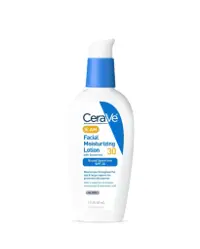 CeraVe AM Facial Moisturizing Lotion SPF 30
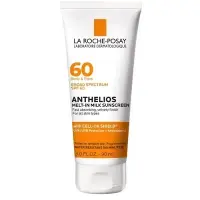 La Roche-Posay Anthelios Melt-In Milk Sunscreen SPF 60
 Aveeno Protect + Refresh Sunscreen Broad Spectrum Body Spray SPF 60
 CeraVe AM Facial Moisturizing Lotion SPF 50
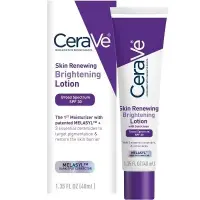 CeraVe Skin Renewing Brightening Lotion SPF 30
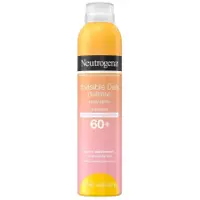 Neutrogena Invisible Daily Defense Body Spray Sunscreen Broad Spectrum SPF 60+
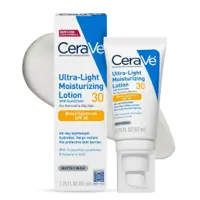 CeraVe Ultra-Light Moisturizing Lotion SPF 30
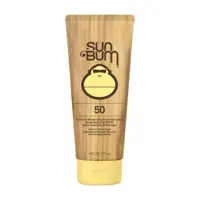
 Sun Bum Signature SPF 30 Lotion
What is Octocrylene?
Octocrylene is a chemical compound often used as a UV filter in sunscreens and skin care products. It is synthesized from crude oil derivatives and frequently found in products due to its ability to stabilize other sunscreen ingredients, such as avobenzone, and provide protection against UVB rays.
This ingredient functions primarily to absorb UV radiation, reducing the risk of skin damage and sunburn. While octocrylene is effective as a sunscreen agent, some studies suggest it can penetrate the skin and may lead to allergic reactions in certain individuals. Concerns have also been raised about its potential environmental impact, particularly in aquatic ecosystems.
When you see octocrylene on a label, it typically indicates the product is formulated to offer sun protection. It is important to check other active ingredients in sunscreen formulations to assess the overall performance and safety of the product.
Commonly found in: sunscreens, moisturizers, lip balms, anti-aging creams, conditioners
What to watch
- May cause skin allergies in sensitive individuals.
- Potentially harmful to aquatic environments.
Benefits
- Helps protect skin from UVB radiation.
- Stabilizes other sunscreen ingredients for longer-lasting protection.
The FDA approves octocrylene as an active ingredient in sunscreens up to a certain concentration.
Research indicates efficacy in UV protection but raises concerns regarding skin penetration and allergenic potential.
Octocrylene is synthetic and not derived from animals, generally considered vegan.
Sources: Sunscreen Drug Products for Over-the-Counter Human Use · Troubling UV Filter in Sunscreens - Octocrylene
Scout's take
Chemical UV filter. Degrades into benzophenone (a Prop 65 carcinogen) over time. Skin sensitizer and aquatic toxin.
The case against
Octocrylene can cause skin irritation and has been linked to coral reef damage.
from the analysis of Sun Bum Signature SPF 30 LotionThe case for
It provides broad-spectrum UV protection and stabilizes other UV filters.
from the analysis of Sun Bum Signature SPF 30 LotionMore from Scout's analyses
Chemical UV filter that degrades over time into benzophenone — classified by the IARC as a possible human carcinogen (Group 2B) and banned in the EU as a UV filter. A 2021 Chemical Research in Toxicology study found benzophenone in every octocrylene sunscreen tested.
from the analysis of CeraVe AM Facial Moisturizing Lotion SPF 30Octocrylene is a chemical UV filter used in sunscreens to absorb UVB and short UVA rays. It can cause skin irritation and has been linked to potential environmental harm. It is often criticized for its potential to cause skin irritation and environmental impact.
from the analysis of Sun Bum Signature SPF 30 LotionOctocrylene is a chemical UVB filter at 10% that can accumulate in the body and has been associated with skin irritation and potential endocrine activity.
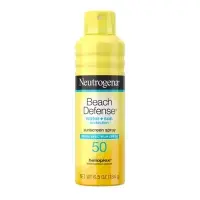
from the analysis of Neutrogena Beach Defense Water + Sun Protection Sunscreen Spray Broad Spectrum SPF 50All 16 products with Octocrylene
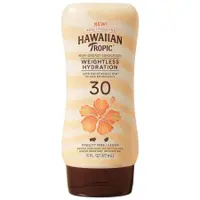
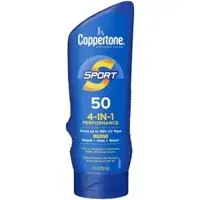
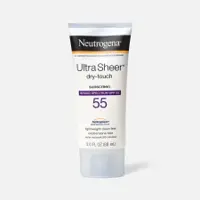
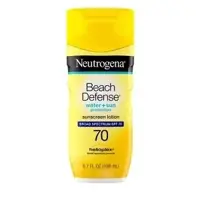
Where Octocrylene shows up
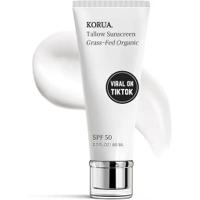
Higher-scoring picks without Octocrylene
Products from the same categories whose analyzed ingredient list does not include Octocrylene, scoring 80 or above.
Scan any product to see every ingredient explained — and healthier swaps.