





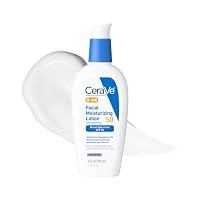

CeraVe AM Facial Moisturizing Lotion SPF 30
At a glance
Summary
CeraVe AM Facial Moisturizing Lotion SPF 30 scores 32/100. Despite the niacinamide + ceramide + hyaluronic acid story, the SPF lineup leans on a chemical UV filter stack — homosalate (EU SCCS unsafe above 7.34%), octinoxate (banned in Hawaii), octocrylene (degrades to benzophenone, a Group 2B carcinogen), and octisalate. Zinc oxide at 5.5% provides partial mineral coverage but the chemical filters dominate the active deck.
Key ingredients 9
HomosalateVery Bad
Chemical UV filter. The EU SCCS concluded in 2021 that homosalate is unsafe at concentrations above 7.34% due to endocrine-disruption concerns; many CeraVe AM SPFs use 6–13%. Detected in human breast milk and urine in biomonitoring studies.
See more about Homosalate →Octinoxate (Ethylhexyl Methoxycinnamate)Very Bad
Chemical UV filter banned in Hawaii and Key West reef-protection laws. Documented endocrine-disrupting activity in vitro and in animal studies; readily absorbed through skin and detected in plasma at concentrations exceeding the FDA's 0.5 ng/mL safety threshold.
See more about Octinoxate (Ethylhexyl Methoxycinnamate) →OctocryleneBad
Chemical UV filter that degrades over time into benzophenone — classified by the IARC as a possible human carcinogen (Group 2B) and banned in the EU as a UV filter. A 2021 Chemical Research in Toxicology study found benzophenone in every octocrylene sunscreen tested.
See more about Octocrylene →Octisalate (Ethylhexyl Salicylate)Bad
Chemical UV filter that aids absorption of other organic UV filters (penetration enhancer). Considered the lowest-concern of the chemical filters but contributes to overall systemic exposure when stacked.
See more about Octisalate (Ethylhexyl Salicylate) →PhenoxyethanolBad
Synthetic preservative restricted by the EU at higher use levels over infant neurotoxicity concerns. Generally tolerated but a known sensitiser; some peer-reviewed studies report toxicity to human gland cells at approved concentrations.
See more about Phenoxyethanol →Zinc Oxide (5.5%)Good
Mineral UV filter that reflects/scatters both UVA and UVB. Non-nano zinc oxide is GRASE-classified by the FDA as the only sunscreen active proven safe and effective.
See more about Zinc Oxide (5.5%) →NiacinamideGood
Niacinamide (vitamin B3) is a well-tolerated, evidence-backed ingredient that calms inflammation, supports the skin barrier, and helps regulate sebum production.
See more about Niacinamide →Ceramides (NP, AP, EOP)Good
Ceramides are lipids naturally present in the skin barrier; topical application helps restore and maintain barrier function. CeraVe's three-ceramide complex is a well-formulated barrier-supporting blend.
See more about Ceramides (NP, AP, EOP) →Hyaluronic Acid / Sodium HyaluronateGood
Sodium hyaluronate is a humectant that attracts and holds water in the skin. It is well tolerated, non-irritating, and a meaningful addition to a daily moisturizer.
See more about Hyaluronic Acid / Sodium Hyaluronate →Get the full breakdown in the Scout appTake Scout shopping
Scan any product to see lab results, healthy alternatives, and your personalized analysis.
Download on theApp Store GET IT ONGoogle PlayAmazon pricing & content
Amazon price as of . Product prices and availability are accurate as of the date/time indicated and are subject to change. Any price and availability information displayed on Amazon.com at the time of purchase will apply to the purchase of this product.
CERTAIN CONTENT THAT APPEARS ON THIS SITE COMES FROM AMAZON. THIS CONTENT IS PROVIDED “AS IS” AND IS SUBJECT TO CHANGE OR REMOVAL AT ANY TIME.