
Ingredient
Hyaluronic Acid / Sodium Hyaluronate
What is Hyaluronic Acid / Sodium Hyaluronate?
Hyaluronic Acid, also known as Sodium Hyaluronate, is a naturally occurring substance in the human body, particularly found in the skin, connective tissue, and eyes. It is usually produced for commercial use through bacterial fermentation of plant resources.
This ingredient is primarily used in skincare products for its moisturizing properties. It attracts and retains water in the skin, which can help improve hydration and plumpness. Research generally supports its effectiveness in hydrating and reducing the appearance of fine lines, although results can vary based on formulation and skin type.
When you see it on a label, it's typically included for its ability to enhance skin moisture, making products feel more hydrating. Consideration should be given to its concentration and the formulation it's within for best results.
Commonly found in: Moisturizers, Serums, Lotions, Eye Creams, Facial Masks
Benefits
- It helps to improve skin hydration due to its water-retaining properties.
- May reduce the appearance of fine lines and wrinkles by plumping the skin.
- Generally well-tolerated and suitable for all skin types.
Hyaluronic Acid is widely accepted and used in cosmetics with no specific restrictions or warnings from the FDA.
Studies commonly show that Hyaluronic Acid effectively hydrates and plumps skin, though its effects can depend on formulation.
Hyaluronic Acid is typically produced through bacterial fermentation and is considered vegan-friendly.
Sources: Cosmetics Ingredient Review: Safety Assessment of Hyaluronic Acid
Scout's take
Sodium hyaluronate is a humectant that attracts and holds water in the skin. It is well tolerated, non-irritating, and a meaningful addition to a daily moisturizer.
Found in 9 products
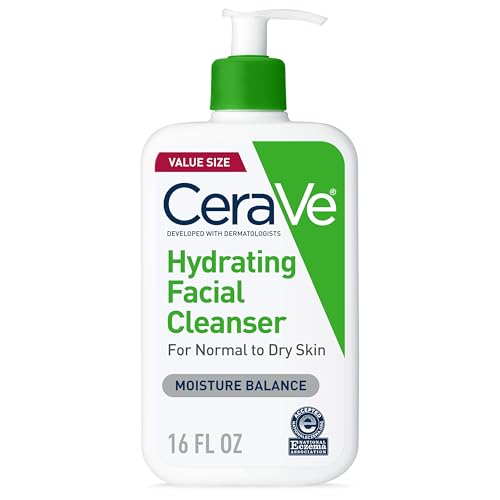


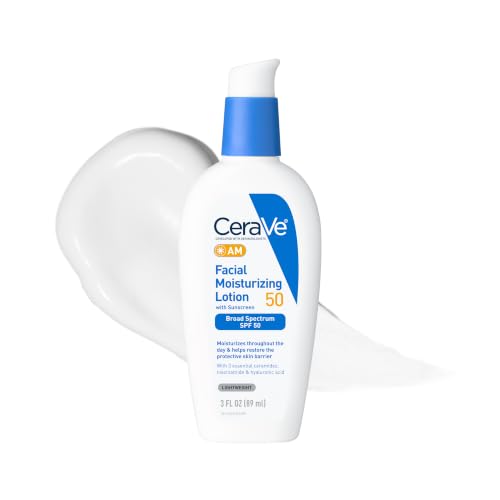

Scan any product to see every ingredient explained — and healthier swaps.
Download on theApp Store GET IT ONGoogle Play