



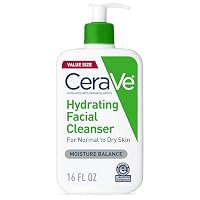


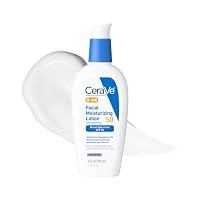

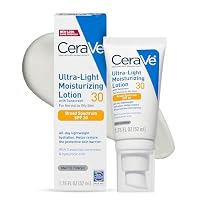
CeraVe Daily Moisturizing Lotion
At a glance
Summary
CeraVe Daily Moisturizing Lotion scores 40/100. The body-lotion version of the lineup keeps the three-ceramide + hyaluronic acid + cholesterol blend but in a thinner, more emulsifier-heavy base. Score lands in the 40s because dimethicone (silicone microplastic precursor), phenoxyethanol, disodium EDTA, behentrimonium methosulfate, and sodium lauroyl lactylate together account for a meaningful share of the deck — net positive but not in the high-quality-clean tier.
Key ingredients 9
DimethiconeBad
Silicone-based occlusive that forms a film on the skin. Functional but a known microplastic precursor — bioaccumulates in waterways and is restricted in EU rinse-off products from 2027.
See more about Dimethicone →PhenoxyethanolBad
Synthetic preservative restricted by the EU at higher use levels over infant neurotoxicity concerns. Generally tolerated but a known sensitiser; some peer-reviewed studies report toxicity to human gland cells at approved concentrations.
See more about Phenoxyethanol →Disodium EDTABad
Chelating agent that also acts as a penetration enhancer, increasing absorption of every other ingredient in the formula. Synthetic and bio-persistent.
See more about Disodium EDTA →Behentrimonium MethosulfateBad
Quaternary-ammonium emulsifier. Generally well tolerated topically but a documented eye and skin irritant at higher concentrations, and synthesised via a methylsulfate intermediate.
See more about Behentrimonium Methosulfate →Sodium Lauroyl LactylateNeutral
Mild emulsifier derived from lactic acid and coconut/palm fatty acids. Generally non-irritating and biodegradable.
See more about Sodium Lauroyl Lactylate →Ceramides (NP, AP, EOP)Good
Ceramides are lipids naturally present in the skin barrier; topical application helps restore and maintain barrier function. CeraVe's three-ceramide complex is a well-formulated barrier-supporting blend.
See more about Ceramides (NP, AP, EOP) →Hyaluronic Acid / Sodium HyaluronateGood
Sodium hyaluronate is a humectant that attracts and holds water in the skin. It is well tolerated, non-irritating, and a meaningful addition to a daily moisturizer.
See more about Hyaluronic Acid / Sodium Hyaluronate →Cholesterol + PhytosphingosineGood
Cholesterol and phytosphingosine round out the lipid trio (with ceramides) that mimics the skin's natural barrier — the most clinically validated combination for barrier repair.
See more about Cholesterol + Phytosphingosine →GlycerinGood
Glycerin is a small-molecule humectant that pulls water into the upper skin layers. Decades of safe, effective use in dermatology.
See more about Glycerin →Get the full breakdown in the Scout appTake Scout shopping
Scan any product to see lab results, healthy alternatives, and your personalized analysis.
Download on theApp Store GET IT ONGoogle PlayAmazon pricing & content
Amazon price as of . Product prices and availability are accurate as of the date/time indicated and are subject to change. Any price and availability information displayed on Amazon.com at the time of purchase will apply to the purchase of this product.
CERTAIN CONTENT THAT APPEARS ON THIS SITE COMES FROM AMAZON. THIS CONTENT IS PROVIDED “AS IS” AND IS SUBJECT TO CHANGE OR REMOVAL AT ANY TIME.