



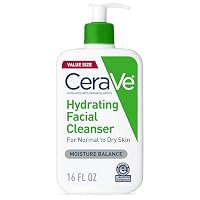



CeraVe Hydrating Cream-to-Foam Cleanser
At a glance
Summary
CeraVe Hydrating Cream-to-Foam Cleanser scores 45/100. A makeup-removing cleanser that uses gentler glucoside and taurate surfactants instead of sulfates, plus the brand's ceramide + niacinamide story. Score is dragged down by Cocamidopropyl Hydroxysultaine (DMAPA-impurity allergen), phenoxyethanol, disodium EDTA, and behentrimonium methosulfate — net effect is a milder-than-average cleanser but with several sensitisation flags.
Key ingredients 8
PhenoxyethanolBad
Synthetic preservative restricted by the EU at higher use levels over infant neurotoxicity concerns. Generally tolerated but a known sensitiser; some peer-reviewed studies report toxicity to human gland cells at approved concentrations.
See more about Phenoxyethanol →Disodium EDTABad
Chelating agent that also acts as a penetration enhancer, increasing absorption of every other ingredient in the formula. Synthetic and bio-persistent.
See more about Disodium EDTA →Behentrimonium MethosulfateBad
Quaternary-ammonium emulsifier. Generally well tolerated topically but a documented eye and skin irritant at higher concentrations, and synthesised via a methylsulfate intermediate.
See more about Behentrimonium Methosulfate →Sodium Methyl Cocoyl TaurateNeutral
Mild taurine-based surfactant that is gentler than SLS. Considered well tolerated; the main concern is that nearly all coconut-derived surfactants are processed with ethylene oxide.
See more about Sodium Methyl Cocoyl Taurate →Cocamidopropyl HydroxysultaineNeutral
Coconut-derived amphoteric surfactant. Gentler than its cousin cocamidopropyl betaine but synthesised from the same dimethylaminopropylamine pathway, so impurities (DMAPA, amidoamine) can drive contact dermatitis in sensitive users.
See more about Cocamidopropyl Hydroxysultaine →NiacinamideGood
Niacinamide (vitamin B3) is a well-tolerated, evidence-backed ingredient that calms inflammation, supports the skin barrier, and helps regulate sebum production.
See more about Niacinamide →Ceramides (NP, AP, EOP)Good
Ceramides are lipids naturally present in the skin barrier; topical application helps restore and maintain barrier function. CeraVe's three-ceramide complex is a well-formulated barrier-supporting blend.
See more about Ceramides (NP, AP, EOP) →Decyl GlucosideGood
Plant-derived non-ionic surfactant — one of the gentlest cleansing agents available. Biodegradable and widely tolerated, including by sensitive skin.
See more about Decyl Glucoside →Get the full breakdown in the Scout appTake Scout shopping
Scan any product to see lab results, healthy alternatives, and your personalized analysis.
Download on theApp Store GET IT ONGoogle PlayAmazon pricing & content
Amazon price as of . Product prices and availability are accurate as of the date/time indicated and are subject to change. Any price and availability information displayed on Amazon.com at the time of purchase will apply to the purchase of this product.
CERTAIN CONTENT THAT APPEARS ON THIS SITE COMES FROM AMAZON. THIS CONTENT IS PROVIDED “AS IS” AND IS SUBJECT TO CHANGE OR REMOVAL AT ANY TIME.