
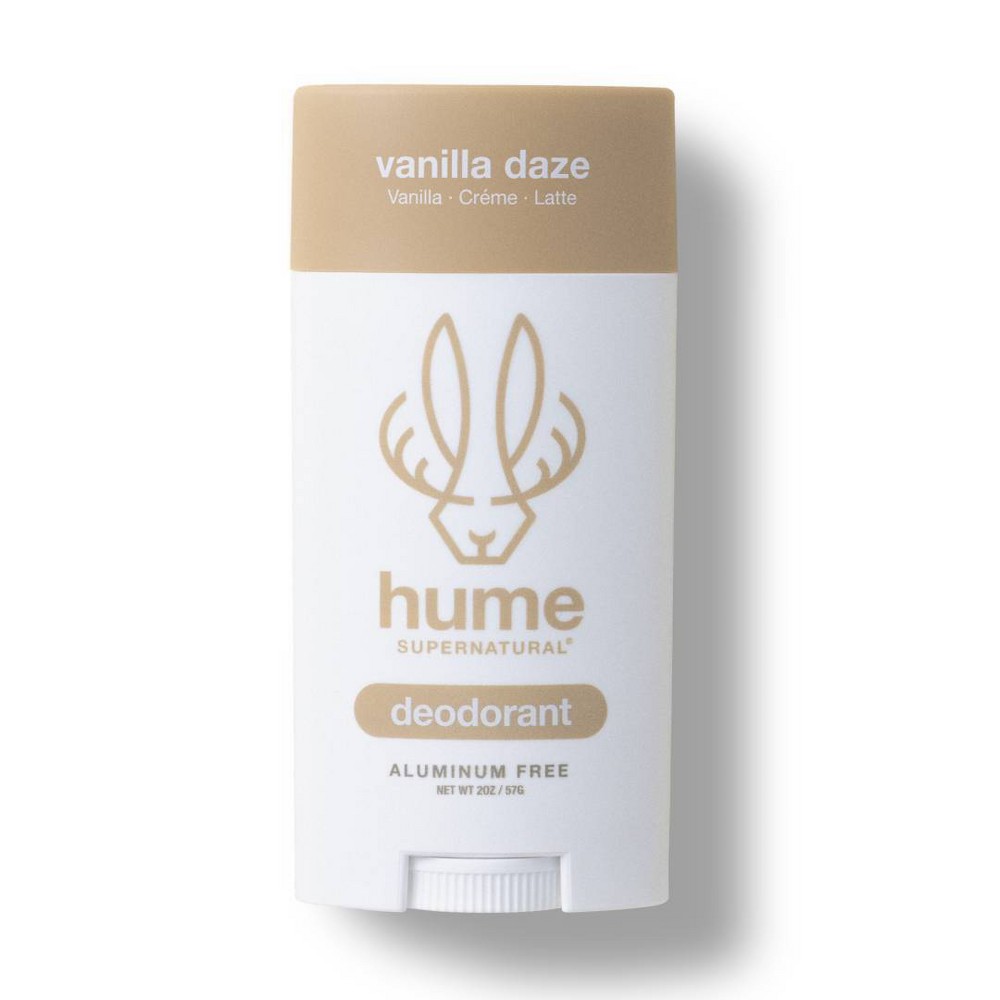

Hume Supernatural Deodorant Stick - Vanilla Daze - 2oz
Summary
This deodorant contains propylene glycol and synthetic fragrance, which are concerning due to potential skin irritation and allergenic properties. However, it also includes beneficial natural ingredients like aloe vera, tapioca starch, and coconut extract, which can help soothe and absorb moisture. The absence of aluminum and parabens is a positive aspect, but the presence of synthetic components limits its overall rating.
At a glance
Key ingredients 24
Propylene GlycolBad
Propylene glycol is a petroleum-derived compound used to retain moisture. It can cause skin irritation in sensitive individuals. Its origin from petroleum raises environmental and health concerns.
Risks
Potential skin irritant and may cause allergic reactions.
Benefits
Helps in maintaining moisture and texture of the product.
WaterNeutral
Water is a common solvent used in many cosmetic products. It helps dissolve other ingredients and provides a base for the formulation. It is generally considered safe and non-irritating.
Benefits
Acts as a solvent and helps in the application of the product.
Sodium StearateNeutral
Sodium stearate is a salt derived from stearic acid, used as a thickener and stabilizer. It is generally recognized as safe for use in cosmetics. It helps in forming a solid stick form of the deodorant.
Risks
May cause mild irritation in very sensitive skin types.
Benefits
Provides structure and stability to the deodorant stick.
PropanediolNeutral
Propanediol is a glycol used as a solvent and humectant in cosmetics. It is derived from corn sugar and is considered a safer alternative to propylene glycol. It helps in improving the texture and feel of the product.
Risks
Generally considered safe, but may cause irritation in sensitive individuals.
Benefits
Acts as a moisturizer and improves product texture.
Diatomaceous EarthNeutral
Diatomaceous earth is a naturally occurring, soft, siliceous sedimentary rock. It is used for its absorbent properties in cosmetics. It helps in absorbing moisture and controlling odor.
Risks
Inhalation of fine particles can be harmful, but topical use is generally safe.
Benefits
Absorbs moisture and helps in odor control.
FragranceBad
Fragrance in cosmetics can be a mixture of various chemicals, some of which may cause allergic reactions or skin irritation. It is often not fully disclosed, leading to concerns about potential harmful effects. Synthetic fragrances can contain phthalates, which are linked to health issues.
Risks
Potential for allergic reactions and skin irritation.
Benefits
Provides a pleasant scent to the product.
SilicaNeutral
Silica is a mineral used in cosmetics for its absorbent and anti-caking properties. It helps in improving the texture and feel of the product. It is generally considered safe for topical use.
Risks
Inhalation of fine silica particles can be harmful, but topical use is safe.
Benefits
Improves texture and absorbs moisture.
Saccharomyces Ferment FiltrateGood
Saccharomyces ferment filtrate is a byproduct of yeast fermentation, rich in nutrients and antioxidants. It is used for its moisturizing and skin-conditioning properties. It can help improve skin texture and hydration.
Risks
Generally considered safe with minimal risk of irritation.
Benefits
Moisturizes and conditions the skin.
Aloe Barbadensis Leaf JuiceGood
Aloe vera juice is known for its soothing and moisturizing properties. It is used in cosmetics to calm irritated skin and provide hydration. It is rich in vitamins and antioxidants, promoting skin health.
Risks
Rarely, some individuals may experience allergic reactions.
Benefits
Soothes and hydrates the skin, reducing irritation.
Opuntia Ficus Indica Seed OilGood
Prickly pear seed oil is rich in essential fatty acids and antioxidants. It is used for its moisturizing and anti-inflammatory properties. It helps in nourishing and protecting the skin.
Risks
Generally safe, but may cause irritation in very sensitive skin.
Benefits
Moisturizes and protects the skin with its rich nutrient profile.
Lactobacillus FermentGood
Lactobacillus ferment is a probiotic ingredient used for its antimicrobial and skin-conditioning properties. It helps in maintaining a healthy skin microbiome. It can reduce odor-causing bacteria naturally.
Risks
Generally considered safe with minimal risk of irritation.
Benefits
Supports a healthy skin microbiome and reduces odor.
InulinGood
Inulin is a natural polysaccharide used for its prebiotic properties. It helps in supporting beneficial skin bacteria and improving skin health. It can enhance the effectiveness of probiotics in the formulation.
Risks
Generally safe with minimal risk of irritation.
Benefits
Supports beneficial skin bacteria and improves skin health.
Cocos Nucifera Fruit ExtractGood
Coconut fruit extract is known for its moisturizing and nourishing properties. It is rich in fatty acids and antioxidants, promoting skin health. It helps in soothing and hydrating the skin.
Risks
Rarely, may cause allergic reactions in sensitive individuals.
Benefits
Moisturizes and nourishes the skin, promoting health.
Cereus Grandiflorus Flower ExtractGood
Cactus flower extract is used for its moisturizing and soothing properties. It is rich in antioxidants, helping to protect the skin from environmental stressors. It can improve skin hydration and texture.
Risks
Generally considered safe with minimal risk of irritation.
Benefits
Moisturizes and protects the skin with antioxidant properties.
KaolinGood
Kaolin clay is a natural mineral used for its absorbent properties. It helps in controlling moisture and reducing odor. It is gentle on the skin and suitable for sensitive skin types.
Risks
Generally safe, but excessive use may dry out the skin.
Benefits
Absorbs moisture and controls odor effectively.
Tapioca StarchGood
Tapioca starch is used for its absorbent and thickening properties. It helps in controlling moisture and providing a smooth application. It is derived from the cassava plant and is considered safe for use.
Risks
Generally considered safe with minimal risk of irritation.
Benefits
Absorbs moisture and provides a smooth application.
GlycerinGood
Glycerin is a humectant used to attract moisture to the skin. It helps in keeping the skin hydrated and soft. It is a common ingredient in cosmetics due to its moisturizing properties.
Risks
Generally safe, but may cause irritation in very sensitive skin.
Benefits
Moisturizes and softens the skin effectively.
Sorbitan StearateNeutral
Sorbitan stearate is an emulsifier used to stabilize formulations. It helps in blending oil and water components in cosmetics. It is generally considered safe for use in personal care products.
Risks
Generally considered safe with minimal risk of irritation.
Benefits
Stabilizes formulations and improves texture.
Stearyl AlcoholNeutral
Stearyl alcohol is a fatty alcohol used as an emollient and thickener. It helps in providing a creamy texture and stabilizing formulations. It is generally considered safe and non-irritating.
Risks
Generally safe, but may cause irritation in very sensitive skin.
Benefits
Provides a creamy texture and stabilizes formulations.
EthylhexylglycerinNeutral
Ethylhexylglycerin is used as a preservative and skin-conditioning agent. It helps in enhancing the efficacy of other preservatives in the formulation. It is generally considered safe for use in cosmetics.
Risks
Generally considered safe with minimal risk of irritation.
Benefits
Enhances preservative efficacy and conditions the skin.
Caprylyl/Capryl GlucosideNeutral
Caprylyl/capryl glucoside is a mild surfactant used for its cleansing properties. It is derived from coconut oil and glucose, making it a gentle option for sensitive skin. It helps in improving the spreadability of the product.
Risks
Generally considered safe with minimal risk of irritation.
Benefits
Provides gentle cleansing and improves product spreadability.
Polyglyceryl-10-Caprylate/CaprateNeutral
Polyglyceryl-10-caprylate/caprate is an emulsifier used to stabilize formulations. It is derived from natural sources and is considered safe for use in cosmetics. It helps in blending oil and water components effectively.
Risks
Generally considered safe with minimal risk of irritation.
Benefits
Stabilizes formulations and improves texture.
Glyceryl CaprylateNeutral
Glyceryl caprylate is used as an emollient and co-emulsifier in cosmetics. It helps in moisturizing the skin and stabilizing formulations. It is derived from natural sources and is considered safe for use.
Risks
Generally considered safe with minimal risk of irritation.
Benefits
Moisturizes the skin and stabilizes formulations.
Sodium Cocoyl GlutamateNeutral
Sodium cocoyl glutamate is a mild surfactant derived from coconut oil and glutamic acid. It is used for its cleansing properties and is gentle on the skin. It is considered safe for use in personal care products.
Risks
Generally considered safe with minimal risk of irritation.
Benefits
Provides gentle cleansing and is suitable for sensitive skin.
Processing
Processed Foods
Get the full breakdown in the Scout app
Scan any product to see lab results, healthy alternatives, and your personalized analysis.
Download on theApp Store