
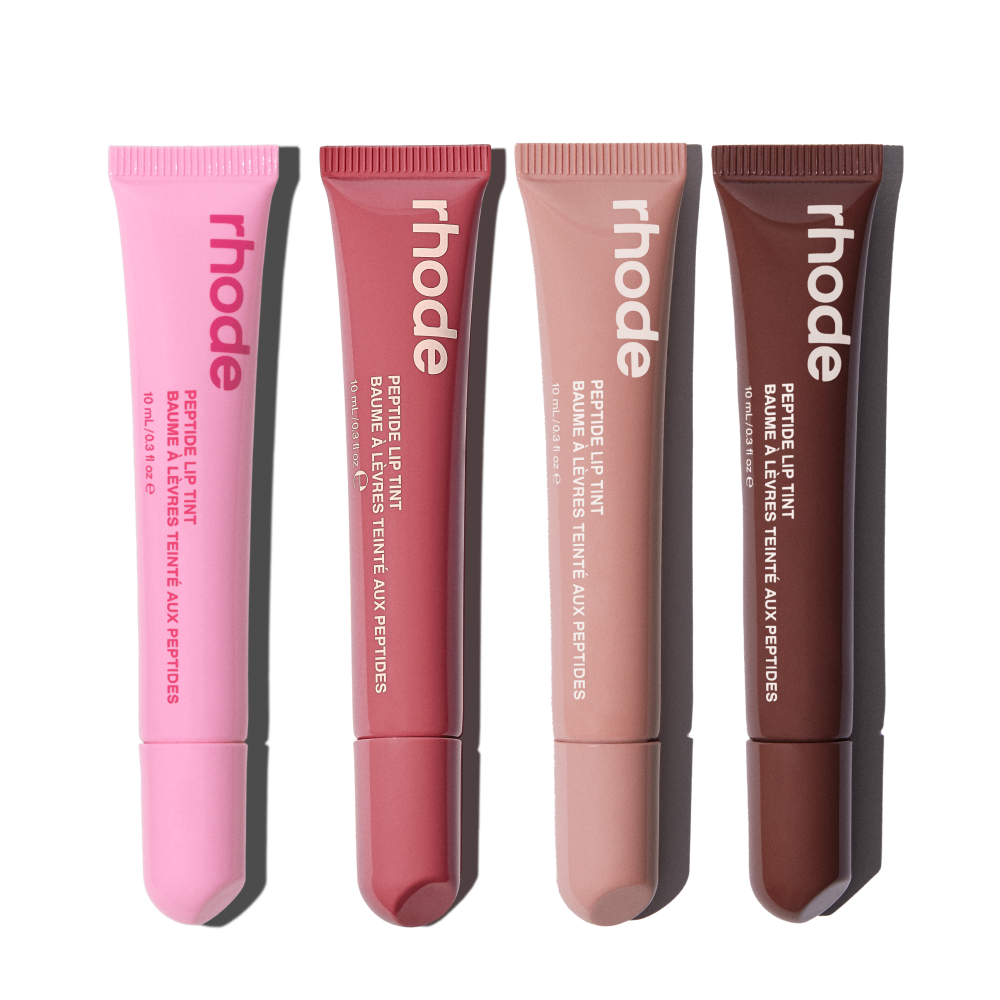

Rhode Peptide Lip Tint
Summary
The product contains beneficial ingredients like shea butter and vitamin E derivatives, but also includes synthetic components such as hydrogenated polyisobutene and synthetic waxes, which affect its overall safety profile.
At a glance
Key ingredients 8
Hydrogenated PolyisobuteneBad
This ingredient is a synthetic oil that can sometimes cause skin irritation or clog pores, which is why it is classified as bad.
Diisostearyl MalateNeutral
Diisostearyl Malate is a skin-conditioning agent with a neutral impact, used to improve texture without significant benefits or risks.
See more about Diisostearyl Malate →Butyrospermum Parkii ButterVery Good
This natural shea butter is highly moisturizing and nourishing, making it a beneficial ingredient for skin health.
See more about Butyrospermum Parkii Butter →PolybuteneBad
Polybutene is a synthetic polymer that can cause skin irritation and is often used as a film-former, but it is considered less desirable for sensitive skin.
See more about Polybutene →Microcrystalline WaxNeutral
Microcrystalline Wax is a common cosmetic ingredient used for texture and stability, with a neutral impact on skin.
See more about Microcrystalline Wax →Synthetic BeeswaxBad
Synthetic Beeswax is a petroleum-derived substitute for natural beeswax, which raises concerns about synthetic origin and environmental impact.
See more about Synthetic Beeswax →Synthetic WaxBad
Synthetic Wax is a petroleum-based ingredient that can cause skin irritation and is less environmentally friendly than natural alternatives.
See more about Synthetic Wax →OctyldodecanolNeutral
Octyldodecanol is a fatty alcohol used as an emollient, generally considered safe with a neutral impact.
See more about Octyldodecanol →Get the full breakdown in the Scout app
Scan any product to see lab results, healthy alternatives, and your personalized analysis.
Download on theApp Store