
Ingredient
Synthetic Beeswax
What is Synthetic Beeswax?
Synthetic beeswax is a man-made version of natural beeswax. It is produced primarily from a blend of acids and esters that mimic the chemical properties of natural beeswax.
It is used in cosmetics and personal care products to provide texture and consistency, serving as a thickening agent and emollient. Health evidence indicates it is generally safe for external use, but as with many synthetic compounds, it's essential to monitor for any allergic reactions.
When you see it on a label, it's important to know that while it mimics natural beeswax, it is not derived from bees and is often considered a vegan-friendly option.
Commonly found in: lipsticks, lotions, creams, balms
What to watch
- Some individuals may experience allergic reactions to synthetic beeswax.
Benefits
- Synthetic beeswax provides consistent texture and stability to cosmetic formulations.
Synthetic beeswax is considered safe in cosmetics and other personal care products within the U.S. Currently, there are no specific restrictions.
Generally regarded as safe when used topically, though limited research specifically addresses long-term health impacts.
Since it is not derived from animals, synthetic beeswax is typically considered suitable for vegan products.
Sources: Cosmetic Ingredient Review
Scout's take
Safe but petroleum/synthetic-origin structuring wax where natural waxes (carnauba/candelilla/beeswax) would serve.
More from Scout's analyses
Synthetic wax substitute.
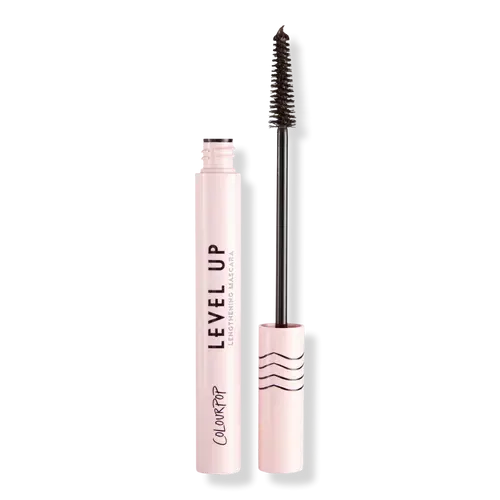
from the analysis of ColourPop Level Up Lengthening MascaraFound in 4 products

Scan any product to see every ingredient explained — and healthier swaps.
Download on theApp Store GET IT ONGoogle Play