


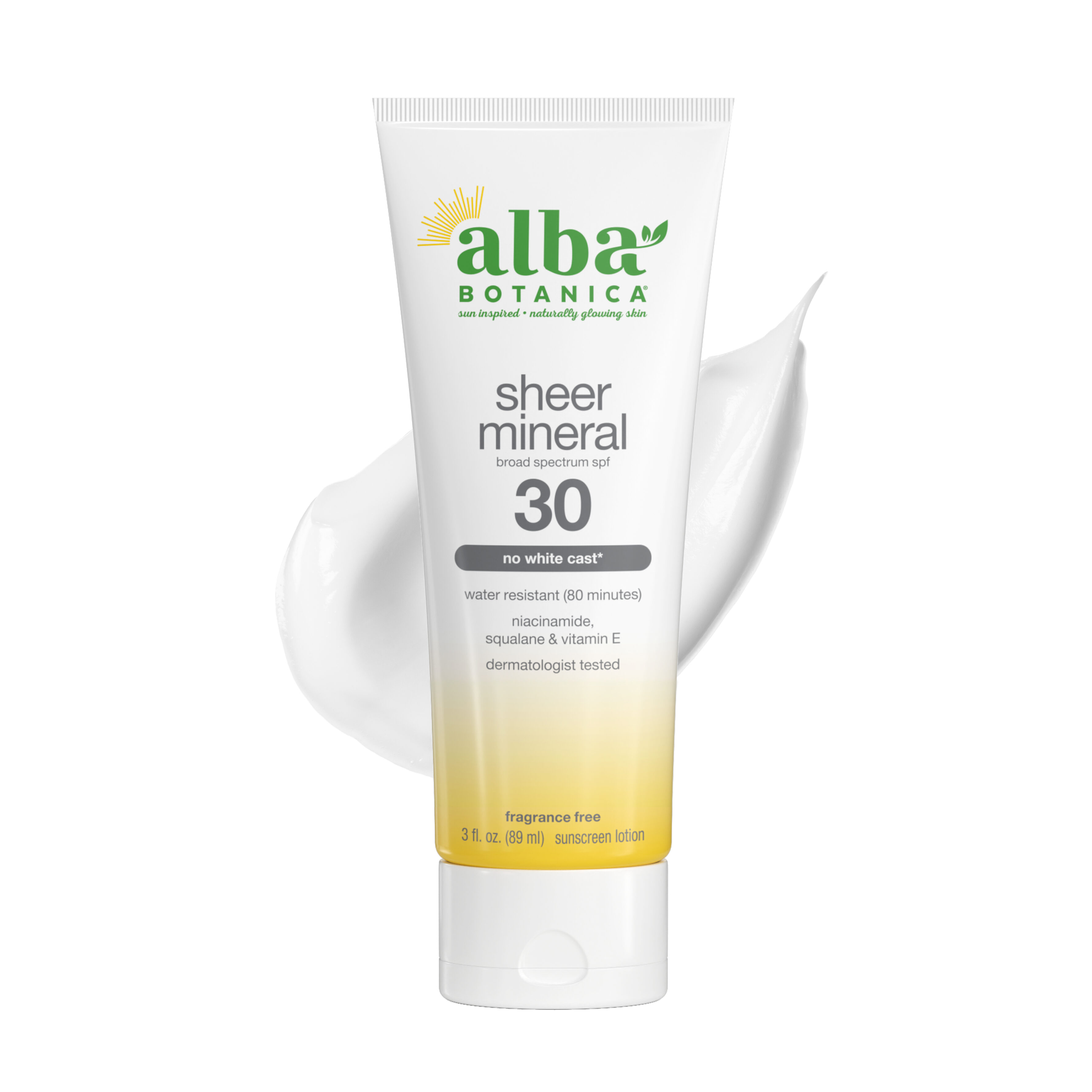
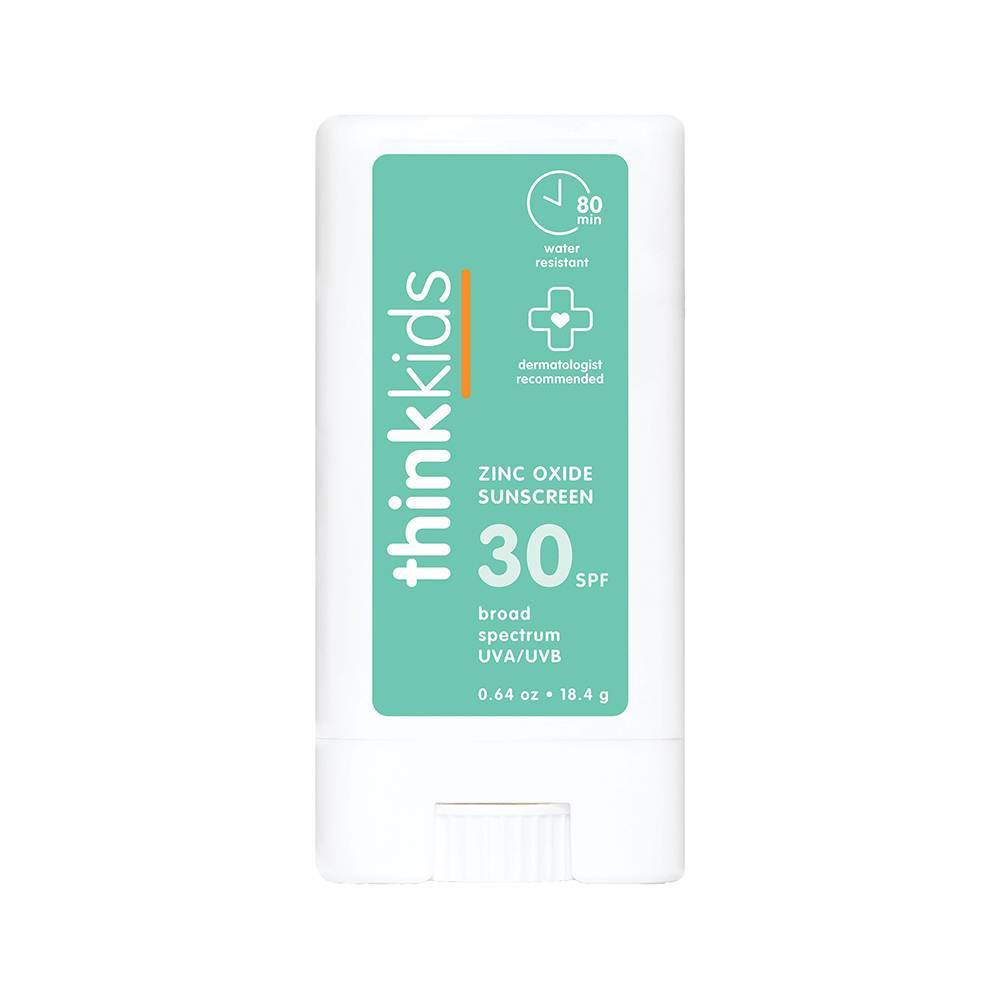
Supergoop! Sun-Defying Sunscreen Oil with Meadowfoam SPF 50, 1 fl. oz.
Summary
This sunscreen contains meadowfoam seed oil, which is a beneficial natural ingredient, but it also includes chemical UV filters that can be concerning for some consumers. The presence of these chemical filters, along with the processed nature of the product, impacts its overall safety profile. While it does not contain the most harmful substances found in some sunscreens, the inclusion of synthetic components and the level of processing prevent it from achieving a higher score.
At a glance
Key ingredients 25
Caprylic/Capric Triglyceride
Caprylic/Capric Triglyceride is a mixed triester derived from coconut oil and glycerin. It is used for its emollient properties, providing a lightweight and non-greasy feel. It helps to improve the spreadability of the product.
Risks
There are minimal risks associated with this ingredient, though it may cause mild irritation in sensitive individuals.
Benefits
It is beneficial for its moisturizing properties and ability to enhance the texture of skincare products.
Alcohol
Alcohol is often used in cosmetics as a solvent and to help other ingredients penetrate the skin. It can also act as a preservative. However, it can be drying and irritating to the skin.
Risks
Alcohol can strip the skin of its natural oils, leading to dryness and irritation, especially in sensitive skin types.
Benefits
It can enhance the absorption of active ingredients and provide a quick-drying finish.
Octyldodecanol
Octyldodecanol is a fatty alcohol used as an emollient and emulsifier. It helps to improve the texture and spreadability of products. It is generally considered safe and non-irritating.
Risks
There are minimal risks, though it may cause mild irritation in very sensitive skin.
Benefits
It provides a smooth application and helps to maintain skin hydration.
C12-15 Alkyl Benzoate
C12-15 Alkyl Benzoate is an ester used as an emollient and thickening agent. It provides a silky, non-greasy feel to products. It is commonly used in sunscreens for its ability to dissolve UV filters.
Risks
It is generally considered safe, with low risk of irritation or sensitization.
Benefits
It enhances the texture of formulations and helps to stabilize sunscreen products.
Polyester-8
Polyester-8 is a film-forming agent that helps to improve the water resistance of sunscreen products. It creates a protective barrier on the skin. It is often used in combination with other UV filters.
Risks
There are minimal risks associated with this ingredient, though it may cause mild irritation in sensitive individuals.
Benefits
It enhances the longevity and effectiveness of sunscreen by providing water resistance.
Polyamide-3
Polyamide-3 is a polymer used for its film-forming properties, providing water resistance and durability to cosmetic formulations. It helps to create a smooth, even application.
Risks
There are minimal risks, though it may cause mild irritation in sensitive skin.
Benefits
It improves the wear and water resistance of products, particularly in sunscreens.
Lauryl Lactate
Lauryl Lactate is an ester used as an emollient and skin conditioning agent. It provides a silky feel and helps to improve the spreadability of products. It is derived from lauric acid and lactic acid.
Risks
There are minimal risks, though it may cause mild irritation in sensitive individuals.
Benefits
It enhances the texture and moisturizing properties of skincare products.
Isodecyl Neopentanoate
Isodecyl Neopentanoate is an ester used as an emollient and skin conditioning agent. It provides a lightweight, non-greasy feel to formulations. It is commonly used in sunscreens and moisturizers.
Risks
There are minimal risks, though it may cause mild irritation in sensitive skin.
Benefits
It improves the texture and spreadability of products, enhancing user experience.
Diisopropyl Sebacate
Diisopropyl Sebacate is an ester used as an emollient and solvent. It provides a silky, non-greasy feel and helps to improve the spreadability of products. It is often used in sunscreens for its ability to dissolve UV filters.
Risks
There are minimal risks, though it may cause mild irritation in sensitive individuals.
Benefits
It enhances the texture and stability of formulations, particularly in sunscreens.
Diethylhexyl Syringylidenemalonate
Diethylhexyl Syringylidenemalonate is an antioxidant used to protect the skin from free radical damage. It helps to stabilize formulations and extend the shelf life of products. It is often used in sunscreens for its photoprotective properties.
Risks
There are minimal risks, though it may cause mild irritation in sensitive skin.
Benefits
It provides antioxidant protection and helps to stabilize sunscreen formulations.
Tocopherol
Tocopherol, also known as Vitamin E, is a powerful antioxidant that helps to protect the skin from free radical damage. It is commonly used in skincare products for its moisturizing and anti-aging properties.
Risks
There are minimal risks, though it may cause mild irritation in very sensitive skin.
Benefits
It provides antioxidant protection and helps to improve skin hydration and elasticity.
Glycine Soja (Soybean) Oil
Glycine Soja (Soybean) Oil is a natural oil rich in essential fatty acids and antioxidants. It is used for its moisturizing and skin conditioning properties. It helps to improve skin texture and elasticity.
Risks
There are minimal risks, though it may cause mild irritation in individuals with soy allergies.
Benefits
It provides nourishment and hydration to the skin, improving overall skin health.
Vitis Vinifera (Grape) Seed Oil
Vitis Vinifera (Grape) Seed Oil is a natural oil rich in antioxidants and essential fatty acids. It is used for its moisturizing and anti-inflammatory properties. It helps to improve skin texture and elasticity.
Risks
There are minimal risks, though it may cause mild irritation in sensitive individuals.
Benefits
It provides nourishment and hydration to the skin, improving overall skin health.
Raphanus Sativus (Radish) Seed Oil
Raphanus Sativus (Radish) Seed Oil is a natural oil used for its moisturizing and skin conditioning properties. It is rich in essential fatty acids and antioxidants. It helps to improve skin texture and elasticity.
Risks
There are minimal risks, though it may cause mild irritation in sensitive individuals.
Benefits
It provides nourishment and hydration to the skin, improving overall skin health.
Limnanthes Alba (Meadowfoam) Seed Oil
Limnanthes Alba (Meadowfoam) Seed Oil is a natural oil known for its moisturizing and skin conditioning properties. It is rich in long-chain fatty acids and antioxidants. It helps to improve skin texture and elasticity.
Risks
There are minimal risks, though it may cause mild irritation in sensitive individuals.
Benefits
It provides nourishment and hydration to the skin, improving overall skin health.
Helianthus Annuus (Sunflower) Seed Oil
Helianthus Annuus (Sunflower) Seed Oil is a natural oil rich in essential fatty acids and antioxidants. It is used for its moisturizing and skin conditioning properties. It helps to improve skin texture and elasticity.
Risks
There are minimal risks, though it may cause mild irritation in sensitive individuals.
Benefits
It provides nourishment and hydration to the skin, improving overall skin health.
Cocos Nucifera (Coconut) Oil
Cocos Nucifera (Coconut) Oil is a natural oil known for its moisturizing and skin conditioning properties. It is rich in medium-chain fatty acids and antioxidants. It helps to improve skin texture and elasticity.
Risks
There are minimal risks, though it may cause mild irritation in sensitive individuals.
Benefits
It provides nourishment and hydration to the skin, improving overall skin health.
Butyrospermum Parkii (Shea) Butter
Butyrospermum Parkii (Shea) Butter is a natural butter known for its moisturizing and skin conditioning properties. It is rich in essential fatty acids and vitamins. It helps to improve skin texture and elasticity.
Risks
There are minimal risks, though it may cause mild irritation in sensitive individuals.
Benefits
It provides deep nourishment and hydration to the skin, improving overall skin health.
Argania Spinosa Kernel Oil
Argania Spinosa Kernel Oil, commonly known as Argan Oil, is a natural oil rich in essential fatty acids and antioxidants. It is used for its moisturizing and skin conditioning properties. It helps to improve skin texture and elasticity.
Risks
There are minimal risks, though it may cause mild irritation in sensitive individuals.
Benefits
It provides nourishment and hydration to the skin, improving overall skin health.
Pentaerythrityl Tetra-Di-T-Butyl Hydroxyhydrocinnamate
Pentaerythrityl Tetra-Di-T-Butyl Hydroxyhydrocinnamate is an antioxidant used to protect the product from oxidation. It helps to extend the shelf life of formulations. It is considered safe for use in cosmetics.
Risks
There are minimal risks, though it may cause mild irritation in sensitive individuals.
Benefits
It provides antioxidant protection and helps to stabilize formulations.
Alaria Esculenta Extract
Alaria Esculenta Extract is a marine extract known for its antioxidant and skin conditioning properties. It helps to protect the skin from environmental stressors. It is often used in anti-aging formulations.
Risks
There are minimal risks, though it may cause mild irritation in sensitive individuals.
Benefits
It provides antioxidant protection and helps to improve skin elasticity and firmness.
T-Butyl Alcohol
T-Butyl Alcohol is used as a solvent and denaturant in cosmetic formulations. It helps to dissolve other ingredients and improve product stability. However, it can be drying and irritating to the skin.
Risks
T-Butyl Alcohol can cause skin dryness and irritation, especially in sensitive skin types.
Benefits
It enhances the solubility and stability of formulations.
Cucumis Sativus (Cucumber) Fruit Extract
Cucumis Sativus (Cucumber) Fruit Extract is a natural extract known for its soothing and hydrating properties. It helps to calm and refresh the skin. It is often used in skincare products for its anti-inflammatory benefits.
Risks
There are minimal risks, though it may cause mild irritation in sensitive individuals.
Benefits
It provides soothing and hydrating benefits, improving overall skin comfort.
Denatonium Benzoate
Denatonium Benzoate is used as a bittering agent to prevent accidental ingestion of products. It is one of the most bitter compounds known. It is considered safe for use in cosmetics.
Risks
There are minimal risks, though it may cause mild irritation in sensitive individuals.
Benefits
It helps to prevent accidental ingestion of products, enhancing safety.
Citric Acid
Citric Acid is used as a pH adjuster and chelating agent in cosmetic formulations. It helps to maintain the stability and effectiveness of products. It is derived from citrus fruits and is considered safe for use in cosmetics.
Risks
There are minimal risks, though it may cause mild irritation in sensitive individuals.
Benefits
It helps to maintain product stability and improve the effectiveness of formulations.
Processing
Processed Foods
Get the full breakdown in the Scout app
Scan any product to see lab results, healthy alternatives, and your personalized analysis.
Download on theApp Store