



At a glance
Summary
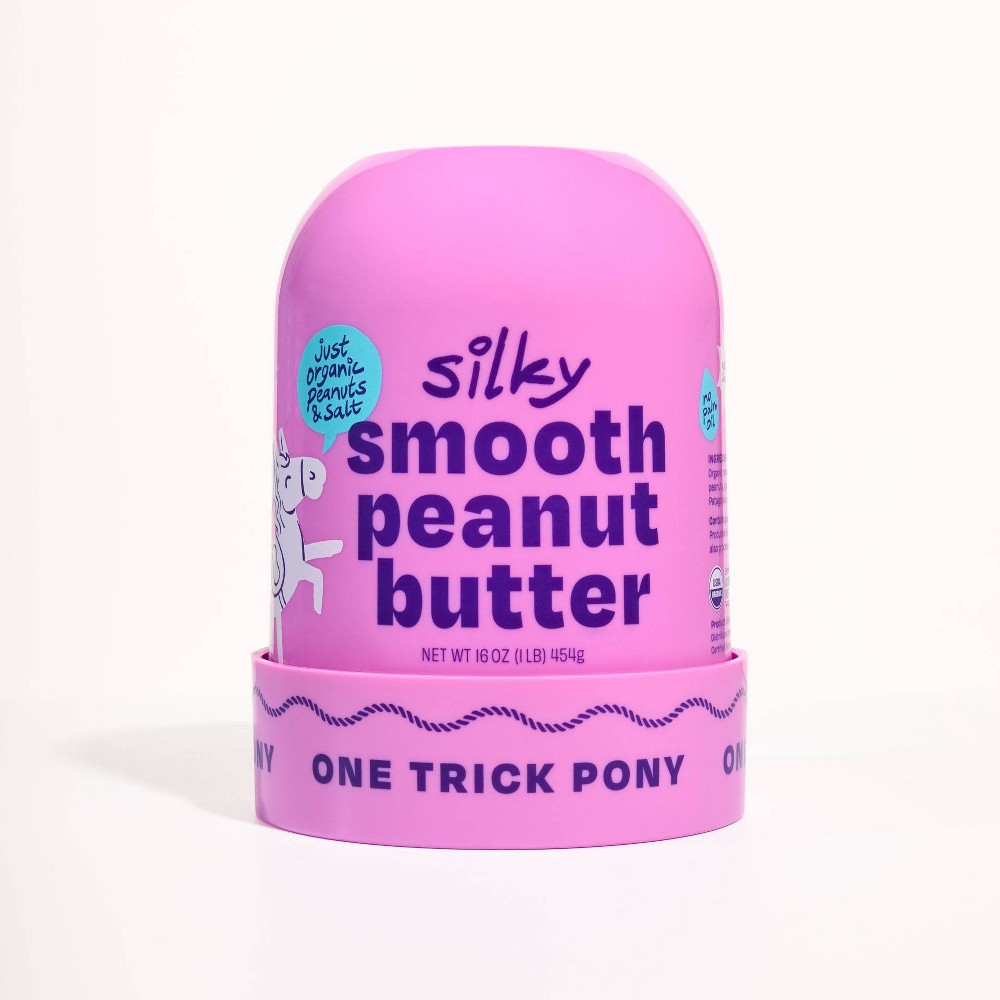
This smooth peanut butter is primarily made from roasted peanuts, which provide protein and healthy fats. However, the inclusion of vegetable oils and a stabilizer indicates a higher level of processing, which affects its overall healthiness. The presence of these processed ingredients, particularly the vegetable oils, contributes to a lower score despite the beneficial aspects of the peanuts.
Key ingredients 4
Roasted peanutsGood
Roasted peanuts are a primary ingredient providing protein and healthy fats. They are minimally processed and retain most of their nutritional value. Peanuts are a good source of vitamins and minerals, including vitamin E and magnesium.
Risks
Potential allergen for individuals with peanut allergies.
Benefits
Rich in protein and healthy fats, supporting muscle growth and heart health. Contains antioxidants and essential nutrients.
SaltNeutral
Salt is used to enhance flavor but does not provide significant nutritional benefits. It is a common additive in processed foods. Excessive consumption can lead to health issues such as hypertension.
Risks
Excessive salt intake can contribute to high blood pressure and cardiovascular issues.
Benefits
Enhances flavor and can help preserve food.
Mono- and DiglyceridesBad
Part of Stabiliser. Mono and diglycerides are emulsifiers used to improve texture and shelf life. They are synthetic additives derived from oils and may contain trans fats. Their presence indicates a higher level of processing.
Risks
May contain trans fats, which are linked to heart disease.
Vegetable oilsVery Bad
Vegetable oils often include seed oils like soybean or canola, which are high in omega-6 fatty acids. These oils are typically highly processed and may contribute to inflammation. The extraction and refining processes can strip oils of beneficial nutrients.
Risks
High omega-6 content may promote inflammation when consumed in excess.
Processing
Ultra-Processed Foods
Get the full breakdown in the Scout appTake Scout shopping
Scan any product to see lab results, healthy alternatives, and your personalized analysis.
Download on theApp Store GET IT ONGoogle Play