
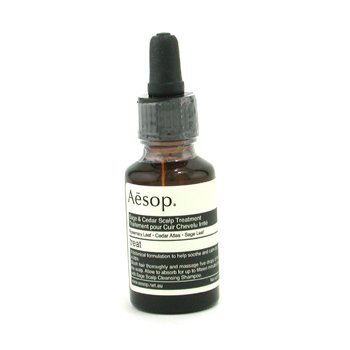

Aesop Sage & Cedar Scalp Treatment in None at Nordstrom
Summary
The Aesop Sage & Cedar Scalp Treatment features a clean label with natural ingredients, including essential oils and plant extracts, which are minimally processed. The absence of synthetic chemicals and harmful additives contributes to its high score, making it a safe choice for personal care.
At a glance
Key ingredients 8
Prunus Amygdalus Dulcis (Sweet Almond) Oil
Sweet Almond Oil is a natural oil known for its moisturizing properties. It is rich in vitamins and fatty acids that nourish the skin and hair. It is often used to improve skin texture and hydration.
Risks
There are minimal risks associated with Sweet Almond Oil, though it may cause allergic reactions in individuals with nut allergies.
Benefits
It provides excellent emollient properties, helping to soften and smooth the skin and hair.
Cedrus Atlantica (Cedarwood) Bark Oil
Cedarwood Oil is an essential oil with antiseptic and anti-inflammatory properties. It is often used in scalp treatments to promote hair health and reduce dandruff. Its aromatic properties also provide a calming effect.
Risks
Essential oils can cause skin irritation in sensitive individuals if not properly diluted.
Benefits
It can help soothe the scalp and promote healthy hair growth.
Helianthus Annuus (Sunflower) Seed Oil
Sunflower Seed Oil is a non-comedogenic carrier oil that is rich in vitamins A, D, and E. It is known for its ability to retain moisture and provide a protective barrier on the skin. It is often used in skincare for its hydrating properties.
Risks
There are minimal risks, though it may cause allergic reactions in some individuals.
Benefits
It helps to maintain the skin's natural barrier and prevent moisture loss.
Tocopherol
Tocopherol, or Vitamin E, is a powerful antioxidant that helps protect the skin from free radical damage. It is commonly used in skincare products for its moisturizing and healing properties. It also helps to extend the shelf life of products by preventing oxidation.
Risks
High concentrations may cause skin irritation in sensitive individuals.
Benefits
It supports skin health by providing antioxidant protection and enhancing moisture retention.
Rosmarinus Officinalis (Rosemary) Leaf Oil
Rosemary Oil is an essential oil with antimicrobial and antioxidant properties. It is often used in hair care products to stimulate hair growth and improve scalp health. Its invigorating scent also provides aromatherapeutic benefits.
Risks
Essential oils can cause irritation if not properly diluted, especially on sensitive skin.
Benefits
It can enhance circulation to the scalp, promoting healthier hair.
Salvia Officinalis (Sage) Oil
Sage Oil is known for its antibacterial and anti-inflammatory properties. It is used in scalp treatments to help balance oil production and improve scalp health. Its aromatic properties also contribute to a calming effect.
Risks
As with other essential oils, it may cause irritation if not diluted properly.
Benefits
It helps to regulate sebum production and can improve overall scalp condition.
D-Limonene
D-Limonene is a naturally occurring compound found in citrus oils, often used for its fragrance. It is also known for its antioxidant properties. It is commonly used in cosmetics for its pleasant scent and potential skin benefits.
Risks
It can cause skin irritation or allergic reactions in sensitive individuals.
Benefits
It provides a refreshing citrus scent and may offer antioxidant benefits.
Linalool
Linalool is a naturally occurring terpene alcohol found in many flowers and spice plants. It is used in cosmetics for its pleasant floral scent. It also has potential anti-inflammatory and stress-relieving properties.
Risks
It may cause allergic reactions or skin irritation in some individuals.
Benefits
It contributes a pleasant aroma and may provide calming effects.
Processing
Unprocessed or Minimally Processed Foods
Get the full breakdown in the Scout app
Scan any product to see lab results, healthy alternatives, and your personalized analysis.
Download on theApp Store