
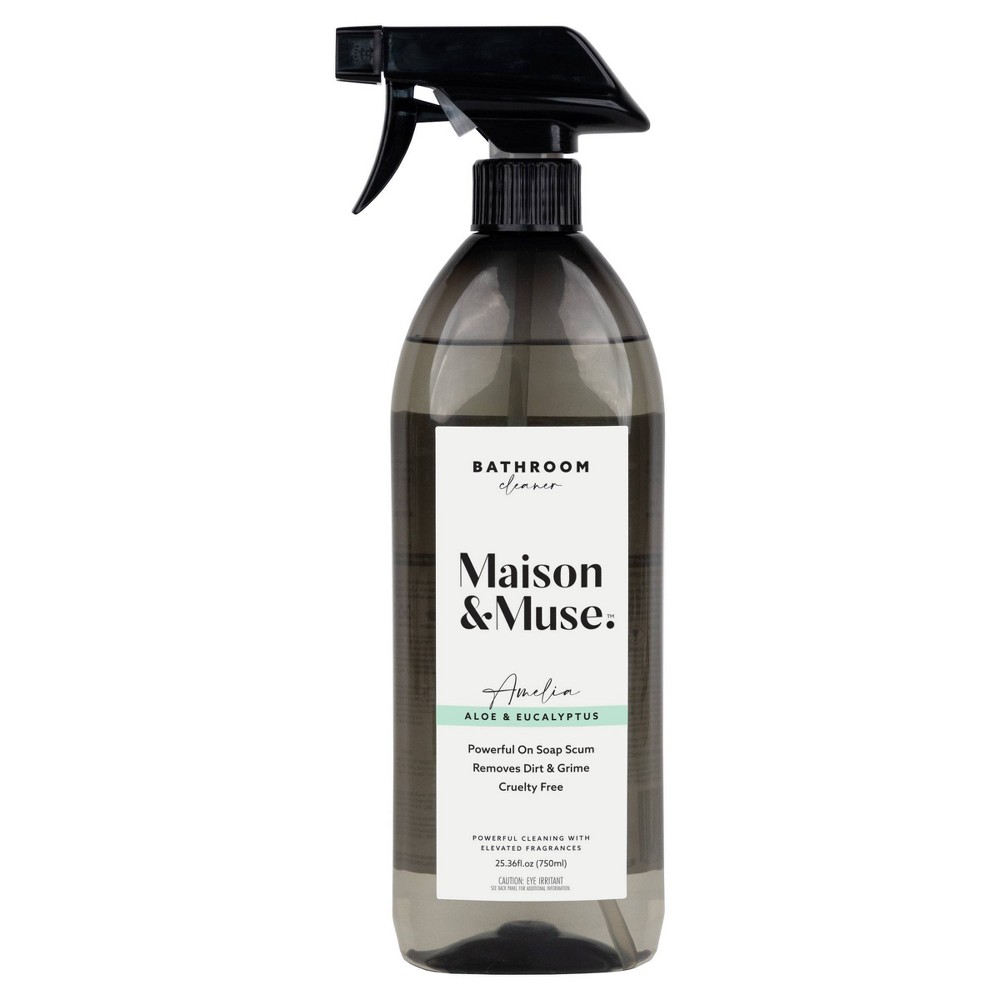



Maison&Muse Bathroom Spray Cleaner - 25.36 fl oz
Summary
This bathroom spray cleaner contains a mix of plant-based surfactants and synthetic ingredients. While it avoids harsh chemicals like sodium lauryl sulfate and bleach, it includes synthetic fragrances which can impact indoor air quality. The presence of biodegradable components is a positive aspect, but the inclusion of some synthetic elements prevents it from achieving a higher score.
At a glance
Key ingredients 5
Water
Water is a universal solvent used to dissolve other ingredients and facilitate cleaning. It is the primary component in most cleaning products. It helps in diluting other active ingredients to ensure they are effective without being too harsh.
Risks
There are no significant risks associated with water in cleaning products.
Benefits
Water is safe and non-toxic, making it an essential and beneficial ingredient in cleaning formulations.
Sodium C14-16 Olefin Sulfonate
Sodium C14-16 Olefin Sulfonate is a surfactant used to remove dirt and oils. It is derived from petroleum and is effective in breaking down grease. It is commonly used in cleaning products for its ability to create foam and enhance cleaning power.
Risks
This ingredient can be a skin irritant and may cause dryness or irritation with prolonged exposure.
Benefits
It is effective in cleaning and removing oils and dirt, contributing to the overall efficacy of the product.
C12-18 Ethoxylated Alcohols
C12-18 Ethoxylated Alcohols are surfactants that help to emulsify and break down oils and dirt. They are derived from fatty alcohols and are used to enhance the cleaning power of the product. These compounds are effective in reducing surface tension, allowing the cleaner to spread and penetrate surfaces more effectively.
Risks
There is a potential risk of skin irritation, and concerns about contamination with 1,4-dioxane, a byproduct of ethoxylation.
Benefits
They improve the cleaning efficiency of the product by helping to dissolve oils and dirt.
Citric Acid
Citric Acid is a natural acid found in citrus fruits, used to adjust pH and enhance cleaning power. It is effective in breaking down mineral deposits and soap scum. It is commonly used in cleaning products for its ability to chelate metals and improve cleaning performance.
Risks
Citric acid can cause mild skin irritation in sensitive individuals.
Benefits
It is a biodegradable and environmentally friendly ingredient that enhances the cleaning power of the product.
Fragrance
Fragrance is added to cleaning products to provide a pleasant scent. It is a mixture of various aromatic compounds. While it enhances the sensory experience of using the product, it does not contribute to the cleaning efficacy.
Risks
Synthetic fragrances can cause allergic reactions and skin irritation in sensitive individuals.
Benefits
Fragrance can improve the user experience by masking unpleasant odors during and after cleaning.
Processing
Processed Foods
Get the full breakdown in the Scout app
Scan any product to see lab results, healthy alternatives, and your personalized analysis.
Download on theApp Store