
Ingredient
Free-Range
What is Free-Range?
Free-range refers to a method of farming where animals, such as chickens, are allowed access to outdoor spaces, as opposed to being confined to cages or limited indoor areas. This term is often regulated in many regions, with specific criteria varying by country.
Free-range farming is preferred by some consumers for ethical reasons, believing it offers better living conditions for animals. While some studies suggest that free-range eggs and meat might have marginal differences in nutritional content, such as higher omega-3 fatty acids, these differences are not universally significant.
When you see 'Free-Range' on a label, it reflects the farming practices and not specific nutritional attributes of the product. It's important to note that definitions and standards for free-range can vary, so looking for specific certification might provide clearer insight into the farming practices used.
Commonly found in: Chicken, Eggs, Poultry Products
Benefits
- Can indicate improved animal welfare standards.
- Sometimes associated with marginally higher nutritional value in products like eggs.
In the US, the term 'free-range' is primarily regulated by the USDA for poultry, and not by the FDA.
There is mixed evidence on whether free-range products have significantly different nutritional benefits compared to conventional products.
Free-range products are animal-derived and not considered vegan.
Sources: USDA Labeling Regulations
Scout's take
Free range hens have outdoor access, generally producing eggs with better nutritional profiles than conventional.
More from Scout's analyses
Continuous outdoor access per USDA free-range definition; better welfare than confined production
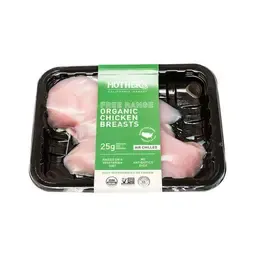
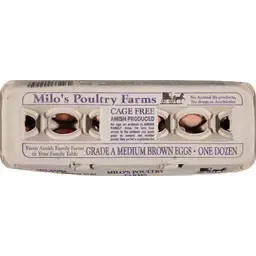
from the analysis of Mother's California Market Free Range Organic Chicken BreastsFound in 2 products
Scan any product to see every ingredient explained — and healthier swaps.
Download on theApp Store GET IT ONGoogle Play