
Ingredient
Plant-Based Surfactants
What is Plant-Based Surfactants?
Plant-based surfactants are compounds derived from natural sources such as coconut or palm oils. They are produced through a process called saponification or ethoxylation, which alters the fat molecules to create an agent that can effectively lower the surface tension between different substances, such as oil and water.
These surfactants are used primarily in cleaning products, including laundry detergents, as they help effectively remove dirt and oils. Research generally supports their environmental benefits compared to their synthetic counterparts, as plant-based surfactants are often biodegradable. However, it is important to consider the source and sustainability of the raw materials used in their production.
When you see plant-based surfactants on a label, it generally signals that the product is attempting to use more natural ingredients. They are considered gentle on the skin, making them a popular choice for people sensitive to harsher chemical surfactants.
Commonly found in: Laundry detergents, Dish soaps, Shampoos, Body washes, Household cleaners
Benefits
- Biodegradable and considered environmentally friendly compared to synthetic surfactants.
- Generally gentle on the skin, making them suitable for sensitive skin products.
The FDA does not specifically regulate plant-based surfactants, but they are generally recognized as safe in cleaning products.
Studies show that plant-based surfactants are effective and environmentally favorable compared to traditional synthetic options.
Plant-based surfactants are derived from plants and are suitable for vegan use.
Sources: Surfactant Information
Scout's take
Derived from renewable plant sources, plant-based surfactants are biodegradable and gentler on skin and aquatic ecosystems than petroleum-derived alternatives.
Found in 3 products
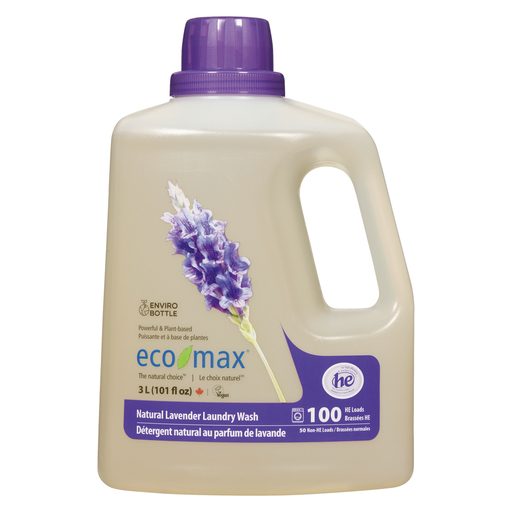
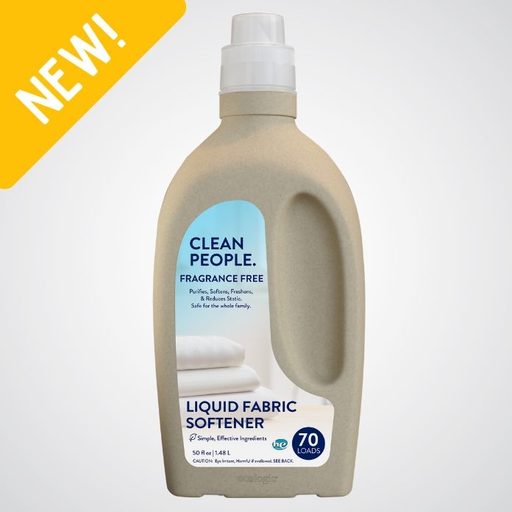
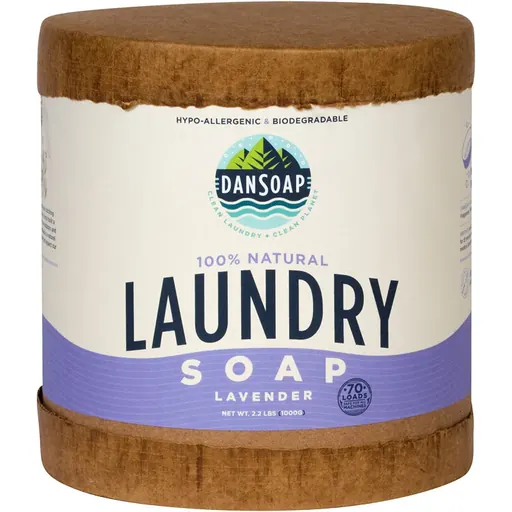
Scan any product to see every ingredient explained — and healthier swaps.
Download on theApp Store GET IT ONGoogle Play