
Ingredient
Plastic Construction
What is Plastic Construction?
Plastic Construction refers to the materials and methods used to create plastic products, often involving polymers and additives for durability and functionality. These materials are prevalent in manufacturing a wide range of consumer goods and packaging.
In the context of drinkware and product packaging, Plastic Construction offers lightweight, durable, and often inexpensive solutions. The health impact of plastic materials is primarily related to potential chemical leaching into consumables, but current evidence varies based on type and use conditions. Some research highlights concerns over certain types of plastics when in contact with food or liquids, especially under heat, although regulations aim to minimize these risks.
When you see 'Plastic Construction' on a label, consider the specific type of plastic and its intended use, especially if it's in contact with food or beverages.
Commonly found in: Water bottles, Food containers, Travel mugs, Disposable cups
What to watch
- Some studies raise concerns about chemical leaching from plastics, especially when heated.
Benefits
- Plastic offers a lightweight and durable option for drinkware.
The FDA regulates plastics that contact food to ensure safety, setting specific conditions for their use.
While some studies suggest potential risks of chemical leaching, others find typical use conditions are within safe limits.
Plastics themselves are not animal-derived, but by-products of their production may not align with strict vegan principles.
Sources: FDA's Role in Product Safety
Scout's take
Plastic drinkware can leach microplastics, especially with hot beverages or prolonged use. Even BPA-free plastics may contain BPS or other plasticizer alternatives with similar concerns.
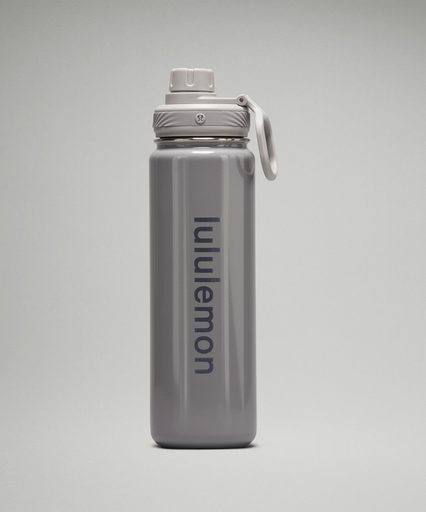
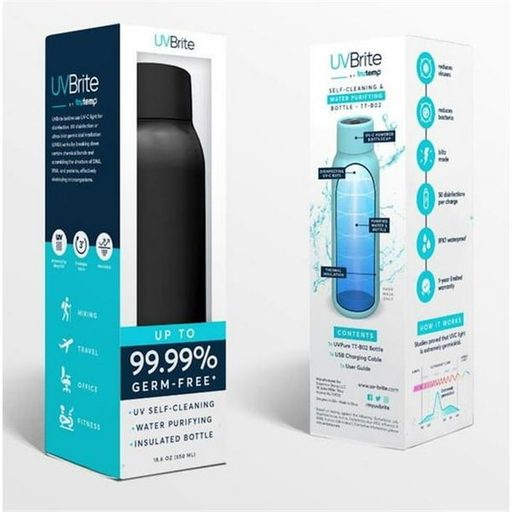
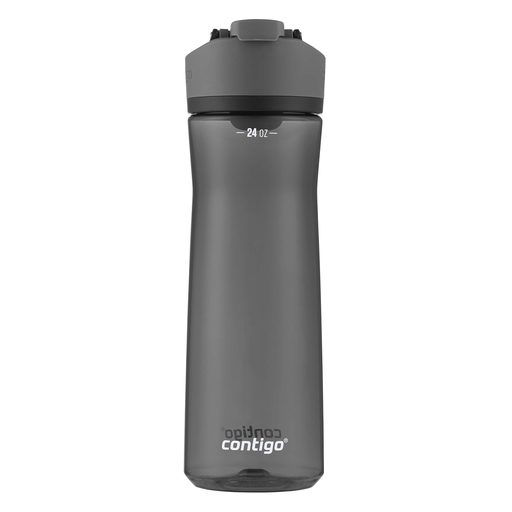
Found in 4 products

Scan any product to see every ingredient explained — and healthier swaps.
Download on theApp Store GET IT ONGoogle Play