
Ingredient
Vacuum Insulation
What is Vacuum Insulation?
Vacuum insulation is a technology used in drinkware and other containers to provide superior thermal insulation. It works by reducing the heat transfer between the contents of the container and the external environment, primarily through the absence of air, creating a vacuum layer.
This type of insulation is favored for its efficiency in maintaining temperature, whether keeping beverages hot or cold for extended periods. It is considered safe for use as it does not interact chemically with the contents of the container.
When you see vacuum insulation on a label, it generally means the product is designed to have excellent temperature retention properties, often making it a preferred choice for reusable beverage containers.
Commonly found in: Thermos bottles, Travel mugs, Water bottles, Lunchboxes, Food containers
Benefits
- Keeps beverages hot or cold for extended periods.
- Prevents condensation on the outside of the container.
The FDA does not regulate vacuum insulation materials specifically but approves materials that come into contact with food and beverages.
Studies confirm that vacuum insulation effectively reduces thermal conductivity, making it an efficient insulator.
Vacuum insulation is typically made from stainless steel or glass, which do not involve animal products, making it vegan-friendly.
Scout's take
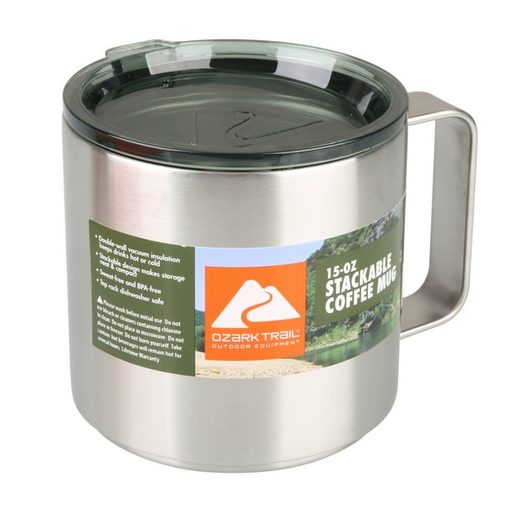
Double-wall vacuum insulation keeps beverages cold for 24 hours or hot for 12 hours without condensation on the exterior.
Found in 5 products
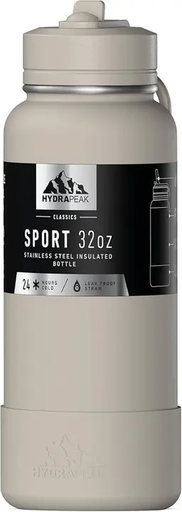
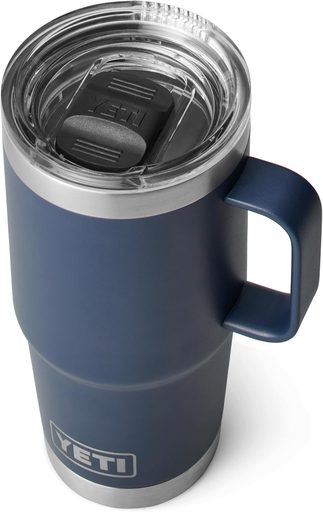
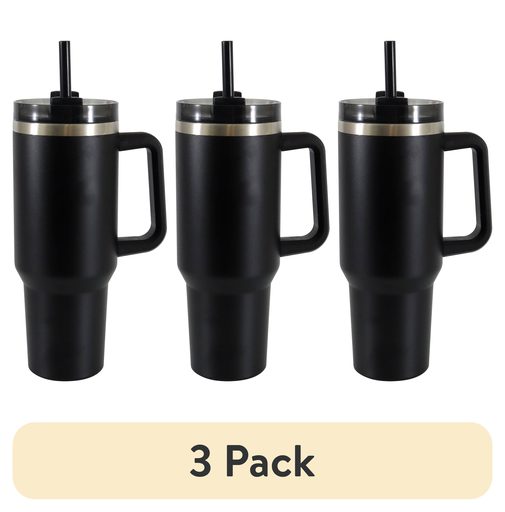
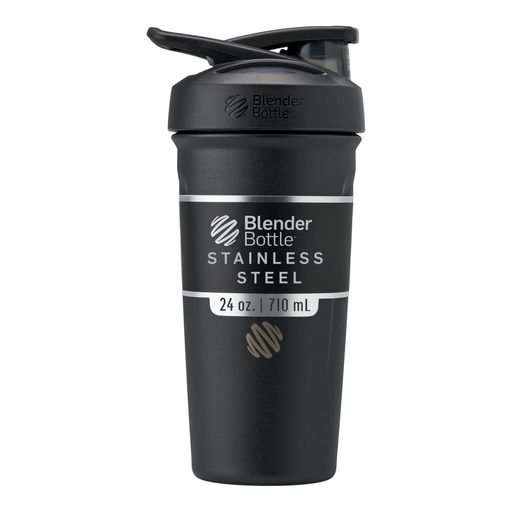
Scan any product to see every ingredient explained — and healthier swaps.
Download on theApp Store GET IT ONGoogle Play