
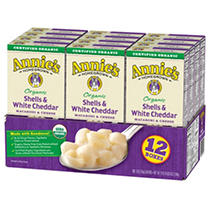


Annie's Organic Shells & White Cheddar Macaroni & Cheese 12 Pack
Summary
This product contains organic ingredients like pasta and cheddar cheese, which are beneficial due to their organic certification and nutritional value. However, it is considered ultra-processed due to the inclusion of sodium phosphate, a synthetic additive, and its overall processing level. The presence of this additive and the high processing level limit its healthiness despite the organic components.
At a glance
Key ingredients 6
Organic pastaGood
Organic pasta is made from organic wheat flour, which is free from synthetic pesticides and fertilizers. This ensures a cleaner ingredient with fewer chemical residues. Organic certification also supports sustainable farming practices.
Risks
Contains gluten, which may cause issues for individuals with celiac disease or gluten sensitivity.
Benefits
Provides carbohydrates for energy and is made from organic wheat, supporting sustainable agriculture.
Dried organic cheddar cheeseGood
Dried organic cheddar cheese is made from organic milk, ensuring it is free from synthetic hormones and antibiotics. It provides a source of protein and calcium, essential for bone health. The organic certification indicates higher animal welfare standards.
Risks
Contains lactose, which may cause digestive issues for lactose-intolerant individuals.
Benefits
Rich in protein and calcium, supporting muscle and bone health.
Organic wheyNeutral
Organic whey is a byproduct of cheese production and is a source of high-quality protein. Being organic, it is free from synthetic additives and hormones. It is less processed compared to other protein supplements.
Risks
May cause allergic reactions in individuals with dairy allergies.
Benefits
Provides high-quality protein that supports muscle repair and growth.
SaltNeutral
Salt is used to enhance flavor and preserve food. It is a natural mineral that is essential for maintaining fluid balance and nerve function. However, excessive consumption can lead to health issues.
Risks
High sodium intake is associated with increased risk of hypertension and cardiovascular diseases.
Benefits
Essential for maintaining electrolyte balance and proper nerve function.
Sodium phosphateBad
Sodium phosphate is used as an emulsifier and stabilizer in processed foods. It is a synthetic additive that can contribute to excessive phosphate intake. High levels of dietary phosphates are linked to health concerns.
Risks
Excessive phosphate intake may lead to kidney stress and disrupt bone mineralization.
Silicon dioxideNeutral
Silicon dioxide is used as an anti-caking agent to prevent clumping in powdered foods. It is a naturally occurring mineral and is generally recognized as safe. It does not contribute any nutritional value.
Benefits
Helps maintain the free-flowing nature of powdered ingredients.
Processing
Ultra-Processed Foods
Get the full breakdown in the Scout app
Scan any product to see lab results, healthy alternatives, and your personalized analysis.
Download on theApp Store