
Ingredient · Updated
Sodium phosphate
Found in 4 products


What is Sodium phosphate?
Sodium phosphate is a compound made by combining sodium salts and phosphoric acid. It comes in several forms, such as monosodium phosphate, disodium phosphate, and trisodium phosphate, each used for different purposes.
It is commonly used in food products as a thickening agent, emulsifier, or to maintain moisture. In processed foods, it helps improve texture and stability. While generally recognized as safe by regulatory bodies, excessive consumption can lead to health issues such as imbalances in phosphate levels.
When seeing sodium phosphate on a label, consider the balance of processed foods in your diet, as it can contribute to overall phosphate load without adding nutritional value.
Commonly found in: processed foods, baked goods, deli meats, cheese products, toothpaste
What to watch
- High phosphate intake is linked to imbalanced phosphate levels in the body.
- Excessive consumption may pose a risk to individuals with impaired kidney function.
Sodium phosphate is generally recognized as safe (GRAS) by the FDA when used in accordance with good manufacturing practices.
Studies indicate potential health concerns with excessive intake, but it is considered safe at typical dietary levels.
Sodium phosphate is synthetic and not derived from animals, making it acceptable for vegan diets.
Sources: Generally Recognized as Safe (GRAS) · The health implications of phosphates in food
Scout's take
Sodium phosphate is used as an emulsifier and preservative in processed foods. It helps maintain texture and extend shelf life. However, excessive consumption can lead to imbalances in phosphate levels, affecting kidney function.
The case against
Excessive intake may lead to kidney damage and cardiovascular problems due to phosphate imbalance.
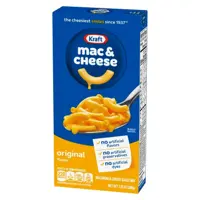
from the analysis of Annie's Shells & Aged Cheddar Mac and CheeseHigh intake may contribute to kidney issues and imbalances in phosphate levels.
from the analysis of Kraft Singles American Cheese Twin PackHigh intake can lead to imbalances in phosphate levels and affect bone health.
from the analysis of Kraft Dinner Original Mac & CheeseThe case for
Helps maintain product texture and extend shelf life.
from the analysis of Annie's Shells & Aged Cheddar Mac and CheeseImproves texture and shelf life of processed foods.
from the analysis of Kraft Singles American Cheese Twin PackMore from Scout's analyses
Sodium phosphate is used as an emulsifier and preservative in processed foods. It can contribute to an imbalance in phosphate levels when consumed in excess. Overconsumption may lead to kidney damage and cardiovascular issues.
from the analysis of Annie's Shells & Aged Cheddar Mac and CheeseSodium phosphate is used as an emulsifier and preservative in processed foods. It is a highly processed additive with potential health concerns. Excessive intake can lead to imbalances in phosphate levels.
from the analysis of Kraft Dinner Original Mac & CheesePhosphate additive — mineral-balance concern for frequent consumers.
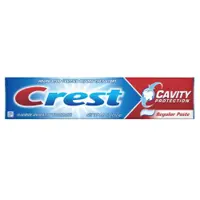
from the analysis of Crest Cavity Protection Regular Paste ToothpasteAll 4 products with Sodium phosphate
Where Sodium phosphate shows up
- Rice & Pasta 2 products
- Cheese 1 product
- Toothpaste 1 product
Higher-scoring picks without Sodium phosphate
Products from the same categories whose analyzed ingredient list does not include Sodium phosphate, scoring 80 or above.

Scan any product to see every ingredient explained — and healthier swaps.