


At a glance
Summary
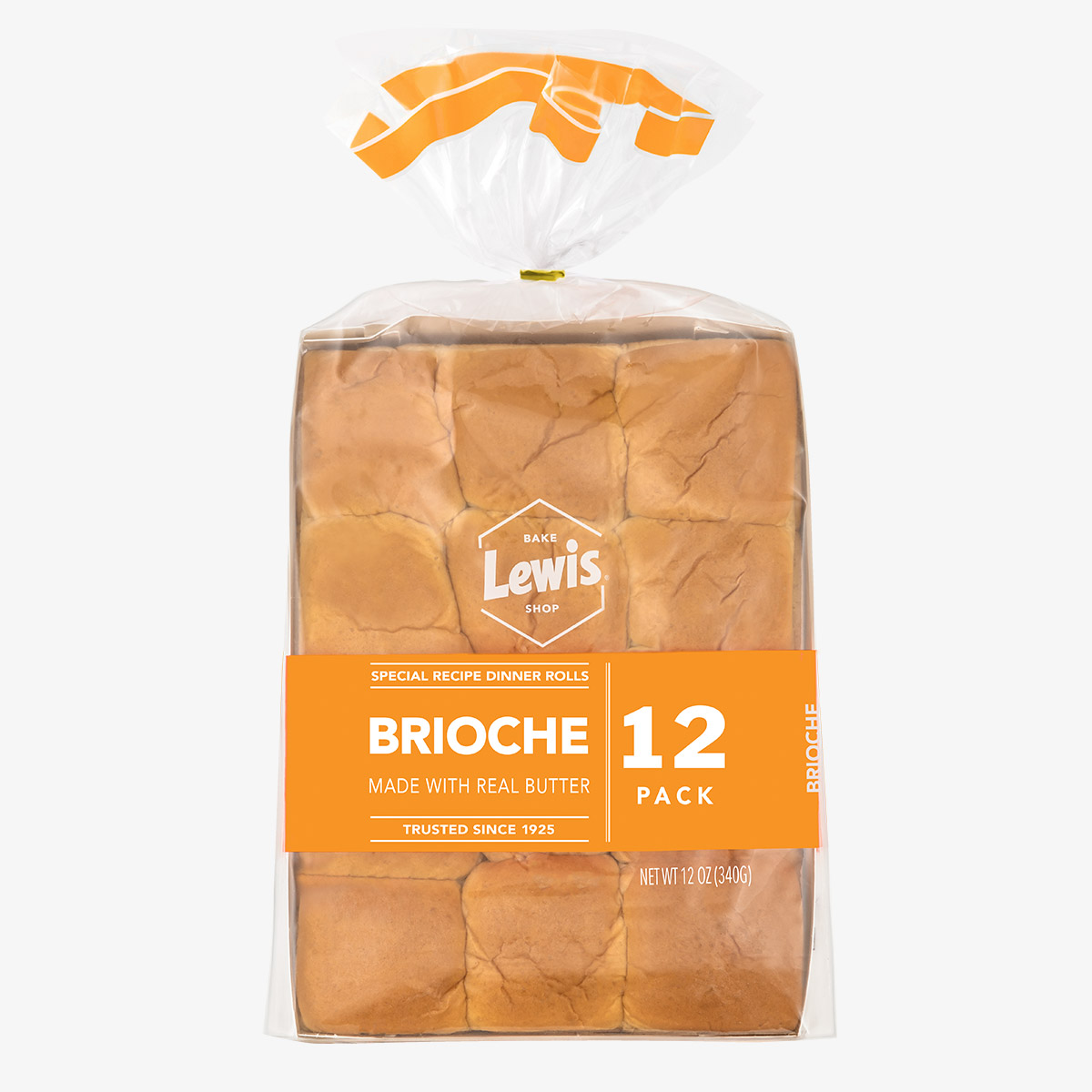
The brioche dinner rolls are made with enriched wheat flour and contain added sugar, which contributes to their processed nature. While the use of butter and yeast are positive aspects, the presence of refined carbohydrates and sugar limits the health benefits. The product's processing level and ingredient composition prevent it from achieving a higher score.
Key ingredients 8
ButterGood
Butter is a natural fat that adds flavor and richness to baked goods. It contains fat-soluble vitamins like A, D, and E, and provides a creamy texture. When used in moderation, butter can be part of a balanced diet.
Risks
High in saturated fat, which should be consumed in moderation to maintain heart health.
Benefits
Provides rich flavor and texture, and contains fat-soluble vitamins.
WaterNeutral
Water is a fundamental ingredient used to hydrate and bind the dough. It is a natural and essential component in baking. There are no processing concerns associated with water in this context.
Benefits
Essential for hydration and dough formation in baking.
Potato FlourNeutral
Potato flour is a gluten-free flour alternative that adds moisture and a soft texture to baked goods. It is made from whole potatoes, retaining some nutrients. However, it is primarily a source of carbohydrates and lacks significant protein or fiber.
Benefits
Adds moisture and softness to baked goods, and is gluten-free.
White Rye FlourNeutral
White rye flour is a refined flour that provides a distinct flavor and texture to baked goods. It contains less gluten than wheat flour, which can be beneficial for those with mild gluten sensitivities. However, it lacks the fiber and nutrients of whole rye flour.
Risks
May contribute to blood sugar spikes due to its refined nature.
Benefits
Offers a unique flavor and can be easier to digest for some individuals compared to wheat flour.
YeastNeutral
Baker's/nutritional yeast in standard use — benign.
Benefits
Enhances flavor and texture, and can improve nutrient availability through fermentation.
Wheat GlutenNeutral
Wheat gluten is added to improve the elasticity and structure of the dough. It is a concentrated source of protein derived from wheat. While beneficial for texture, it may pose issues for those with gluten intolerance or celiac disease.
Risks
Can cause adverse reactions in individuals with gluten intolerance or celiac disease.
Benefits
Improves dough elasticity and structure, enhancing the texture of baked goods.
Unbleached Enriched Wheat FlourBad
Processed additive flagged under Scout's ingredient doctrine.
Risks
Refined flour can contribute to blood sugar spikes and lacks the fiber of whole grains.
Benefits
Enrichment adds essential nutrients like iron and B vitamins, which can support overall health.
SugarBad
Sugar is a refined carbohydrate that can contribute to increased calorie intake without providing essential nutrients. Excessive consumption of sugar is linked to various health issues, including obesity and diabetes. In this product, sugar is used to enhance flavor and aid in yeast fermentation.
Risks
High sugar intake is associated with increased risk of obesity, type 2 diabetes, and dental cavities.
Benefits
Provides energy and aids in the fermentation process during baking.
Processing
Processed Foods
Get the full breakdown in the Scout appTake Scout shopping
Scan any product to see lab results, healthy alternatives, and your personalized analysis.
Download on theApp Store GET IT ONGoogle Play