
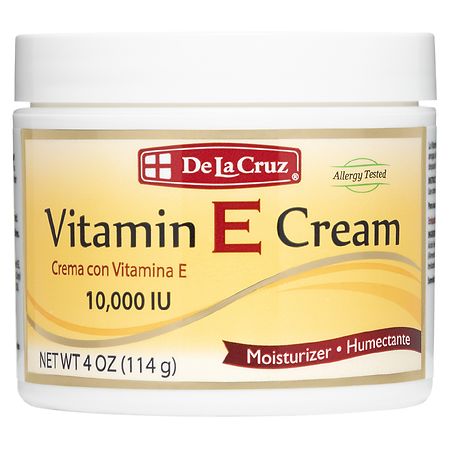
De La Cruz Moisturizer Vitamin E Cream - 4oz
Summary
This moisturizer contains beneficial ingredients like Vitamin E, which is known for its antioxidant properties and skin benefits. However, the presence of synthetic preservatives and emulsifiers contributes to its processed nature, which slightly lowers its overall rating. The product does not contain any highly concerning chemicals, but the processing level and presence of synthetic components prevent it from achieving a higher score.
At a glance
Key ingredients 9
Tocopheryl Acetate
Tocopheryl Acetate is a form of Vitamin E, a powerful antioxidant that helps protect the skin from damage caused by free radicals. It is commonly used in skincare products for its moisturizing and healing properties. It is considered beneficial for maintaining healthy skin.
Risks
There is a low risk of skin irritation or allergic reactions in sensitive individuals.
Benefits
It provides antioxidant protection and supports skin repair and hydration.
Prunus Amygdalus Dulcis Oil
Prunus Amygdalus Dulcis Oil, also known as Sweet Almond Oil, is a natural oil rich in vitamins and fatty acids. It is known for its emollient properties, making it an excellent moisturizer for the skin. It is often used to soothe and soften dry skin.
Risks
There is a minimal risk of allergic reactions, particularly in individuals with nut allergies.
Benefits
It deeply moisturizes the skin and helps improve skin tone and texture.
Persea Gratissima Oil
Persea Gratissima Oil, commonly known as Avocado Oil, is a nutrient-rich oil that contains vitamins A, D, and E. It is highly moisturizing and helps to nourish and protect the skin. It is often used to enhance skin elasticity and reduce inflammation.
Risks
There is a low risk of skin irritation or allergic reactions.
Benefits
It provides deep hydration and supports skin barrier function.
Imidazolidinyl Urea
Imidazolidinyl Urea is a preservative used to prevent microbial growth in cosmetic products. It is a formaldehyde-releasing agent, which helps maintain product safety by inhibiting bacterial contamination. However, it is controversial due to its potential to release formaldehyde.
Risks
It may cause skin irritation and allergic reactions, particularly in sensitive individuals.
Benefits
It effectively preserves the product by preventing microbial contamination.
Tetrasodium EDTA
Tetrasodium EDTA is a chelating agent used to improve the stability and efficacy of cosmetic formulations. It binds to metal ions, preventing them from affecting the product's quality. It is generally considered safe in low concentrations.
Risks
There is a potential for skin irritation, especially in individuals with sensitive skin.
Benefits
It enhances product stability and prevents deterioration caused by metal ions.
Fragrance
Fragrance is added to cosmetic products to provide a pleasant scent. It is a complex mixture of aromatic compounds, which can enhance the user experience. However, it is often criticized for its potential to cause skin irritation and allergic reactions.
Risks
It may cause skin irritation, allergic reactions, and sensitivity, particularly in individuals with fragrance allergies.
Benefits
It improves the sensory appeal of the product.
Methylparaben
Methylparaben is a preservative used to prevent the growth of harmful bacteria and mold in cosmetic products. It is effective in extending the shelf life of products. However, parabens are controversial due to concerns about their potential endocrine-disrupting effects.
Risks
There is a potential risk of skin irritation and endocrine disruption with prolonged use.
Benefits
It helps maintain product safety by preventing microbial contamination.
Propylparaben
Propylparaben is another paraben used as a preservative in cosmetics to prevent microbial growth. It is effective in maintaining product integrity and safety. Despite its efficacy, it is controversial due to potential health concerns.
Risks
There is a potential risk of skin irritation and endocrine disruption with prolonged use.
Benefits
It ensures product safety by inhibiting microbial contamination.
Triethanolamine
Triethanolamine is used in cosmetics as a pH balancer and emulsifier. It helps stabilize formulations and improve texture. However, it is an ethanolamine compound, which raises concerns about potential skin irritation and contamination with nitrosamines.
Risks
It may cause skin irritation and has potential contamination risks with nitrosamines.
Benefits
It helps maintain product stability and texture.
Processing
Processed Foods
Get the full breakdown in the Scout app
Scan any product to see lab results, healthy alternatives, and your personalized analysis.
Download on theApp Store