
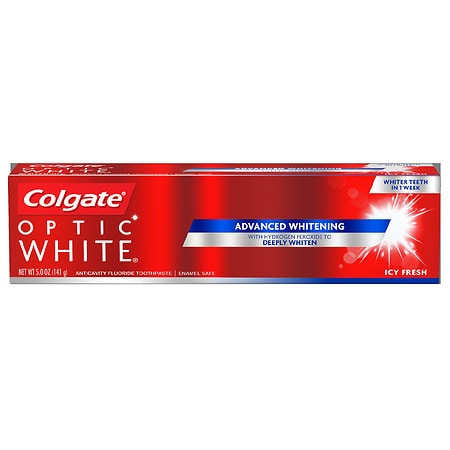
Colgate Optic White Whitening Toothpaste, Icy Fresh - 5.0 ounce
Summary
This toothpaste contains beneficial ingredients like Calcium Pyrophosphate, which helps in removing plaque and stains. However, it also includes synthetic compounds such as Propylene Glycol, BHT, and Sodium Lauryl Sulfate, which raise concerns due to potential impurities, health risks, and irritation. The presence of these synthetic ingredients and the product's ultra-processed nature limit its overall health score.
At a glance
Key ingredients 10
Propylene GlycolBad
Propylene Glycol is used as a humectant to retain moisture in toothpaste. It is a synthetic compound derived from petroleum, which raises concerns about its purity and potential contaminants. While generally recognized as safe, its synthetic nature and potential impurities make it less desirable.
Risks
Potential skin irritation and allergic reactions in sensitive individuals.
Benefits
Helps maintain moisture and consistency in the toothpaste.
BHTVery Bad
BHT (Butylated Hydroxytoluene) is used as a preservative to prevent oxidation. It is a synthetic antioxidant that has been linked to potential health concerns, including endocrine disruption. Its synthetic nature and potential health risks make it a controversial ingredient.
Risks
Possible links to cancer and endocrine disruption in high doses.
Benefits
Prevents oxidation and extends shelf life of the product.
Calcium PyrophosphateGood
Calcium Pyrophosphate is used as an abrasive to help remove plaque and stains from teeth. It is a naturally occurring mineral that is generally considered safe and effective for dental care. Its abrasive properties help in maintaining oral hygiene by cleaning teeth surfaces.
Benefits
Effective in removing plaque and surface stains, contributing to oral health.
Disodium PyrophosphateNeutral
Disodium Pyrophosphate is used as a tartar control agent in toothpaste. It is a synthetic compound that helps prevent the formation of tartar on teeth. While effective in its function, it is a synthetic additive with no nutritional benefits.
Benefits
Helps in tartar control, contributing to dental health.
FlavorNeutral
Flavor is added to improve the taste of the toothpaste, making it more palatable. The specific composition of flavorings is often proprietary and can include both natural and artificial components. Without specific details, the health impact is difficult to assess.
Risks
Potential for allergic reactions in sensitive individuals.
Benefits
Improves user experience by enhancing taste.
GlycerinNeutral
Glycerin is used as a humectant and sweetener in toothpaste. It is a naturally occurring compound that helps maintain moisture and improve texture. While generally safe, it does not provide significant health benefits.
Benefits
Helps maintain moisture and improve texture of the toothpaste.
Hydrogen PeroxideNeutral
Hydrogen Peroxide is used for its whitening and antibacterial properties in toothpaste. It is a chemical compound that can help reduce oral bacteria and whiten teeth. However, its use in high concentrations can cause irritation.
Risks
Potential for gum irritation and tooth sensitivity with excessive use.
Benefits
Effective in whitening teeth and reducing oral bacteria.
Sodium Lauryl SulfateBad
Sodium Lauryl Sulfate is used as a surfactant to create foam in toothpaste. It is a synthetic detergent that can cause irritation in some individuals. Its potential to cause irritation and its synthetic nature make it a less favorable ingredient.
Risks
Can cause mouth irritation and exacerbate canker sores in sensitive individuals.
Benefits
Helps in foaming and spreading the toothpaste evenly.
Tetrasodium PyrophosphateNeutral
Tetrasodium Pyrophosphate is used as a tartar control agent in toothpaste. It is a synthetic compound that helps prevent tartar buildup on teeth. While effective for its intended purpose, it does not offer nutritional benefits.
Benefits
Contributes to tartar control, supporting dental health.
Synthetic Amorphous Silica PrecipitatedNeutral
Synthetic Amorphous Silica Precipitated is used as an abrasive to help clean teeth. It is a processed form of silica that is effective in removing plaque and stains. Its synthetic nature does not provide additional health benefits.
Benefits
Effective in cleaning teeth and removing surface stains.
Processing
Ultra-Processed Foods
Get the full breakdown in the Scout app
Scan any product to see lab results, healthy alternatives, and your personalized analysis.
Download on theApp Store