
Ingredient
Sodium Lauryl Sulfate
What is Sodium Lauryl Sulfate?
Sodium Lauryl Sulfate (SLS) is a synthetic detergent derived from coconut or palm oil through a chemical process called sulfonation. It is commonly used in cleaning and personal care products for its ability to create lather and remove oils and dirt.
SLS is primarily used as a surfactant, which means it helps to mix water and oil, making it effective in cleaning products like toothpaste and dishwashing liquids. The ingredient has been scrutinized for potential health effects, with some studies suggesting it may cause skin irritation in sensitive individuals.
When identified on labels, it's important to consider your skin type and any history of sensitivity, especially if the product is used frequently or in large amounts.
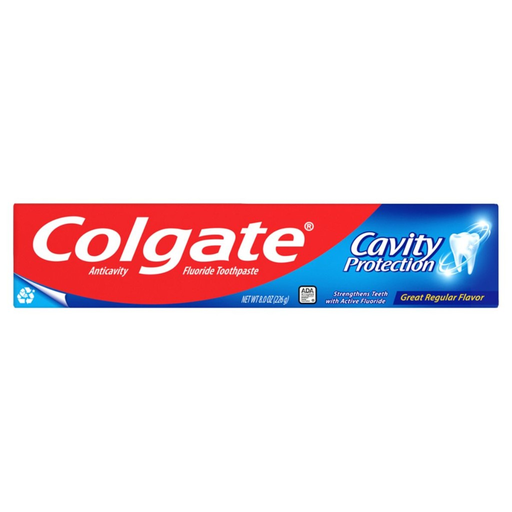
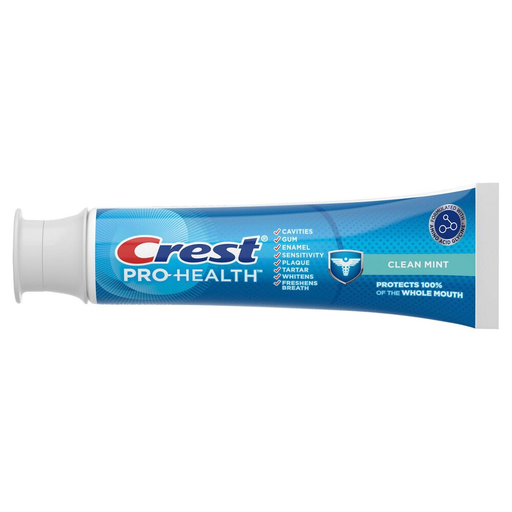
Commonly found in: Toothpaste, Dishwasher Detergent, Shampoo, Body Wash, Face Cleanser
What to watch
- Research indicates that SLS can cause skin irritation and dryness with prolonged exposure.
- In some individuals, SLS may exacerbate existing skin conditions such as eczema.
Benefits
- Sodium Lauryl Sulfate is effective at creating foamy lather, which can enhance the consumer experience in products like toothpaste.
Sodium Lauryl Sulfate is approved for use in rinse-off products, and its presence is not restricted but requires appropriate labeling.
While effective as a cleaning agent, studies show varied responses with some evidence of skin irritation, especially in higher concentrations.
Sodium Lauryl Sulfate is typically derived from plant sources and is generally considered vegan-friendly.
Sources: Final Report on the Safety Assessment of Sodium Lauryl Sulfate and Ammonium Lauryl Sulfate
Scout's take
Harsh anionic surfactant responsible for the foaming action. Documented trigger for recurrent aphthous (canker) ulcers in clinical studies (Herlofson & Barkvoll 1996, Healy et al. 1999); strips the protective oral mucin layer; common contact irritant. Cleaner toothpastes use coconut-derived alternatives.
The case against
It can cause skin irritation and dryness.
from the analysis of Seventh Generation Liquid Laundry Detergent - Free & Clear - 90 fl ozThe case for
It provides strong cleaning power.
from the analysis of Seventh Generation Liquid Laundry Detergent - Free & Clear - 90 fl ozMore from Scout's analyses
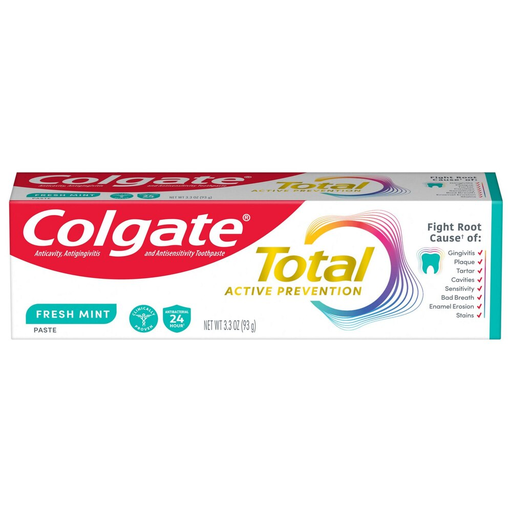
Harsh anionic surfactant responsible for the foaming action. Documented trigger for recurrent aphthous (canker) ulcers in clinical studies (Herlofson & Barkvoll 1996, Healy et al. 1999); strips the protective oral mucin layer; common contact irritant. Cleaner toothpastes use coconut-derived alternatives.
from the analysis of Colgate Total Active Prevention Toothpaste Fresh MintHarsh anionic surfactant. Documented trigger for recurrent aphthous (canker) ulcers (Herlofson & Barkvoll 1996); strips protective oral mucin; particularly inappropriate in a children's toothpaste where cleaner coconut-derived alternatives exist.
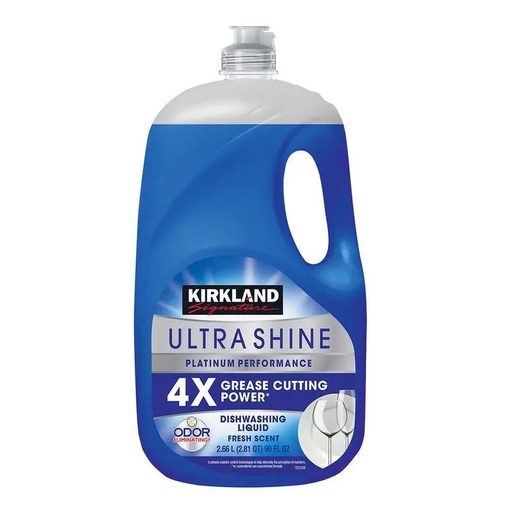
from the analysis of Tom's of Maine Kid's Natural Fluoride-Free Toothpaste Silly StrawberrySodium Lauryl Sulfate (SLS) is a surfactant that can cause skin irritation and is toxic to aquatic life. Its presence in dishwashing products raises concerns about environmental impact and potential health risks.
from the analysis of Kirkland Signature Ultra Shine Platinum PerformanceFound in 10 products




Scan any product to see every ingredient explained — and healthier swaps.
Download on theApp Store GET IT ONGoogle Play