
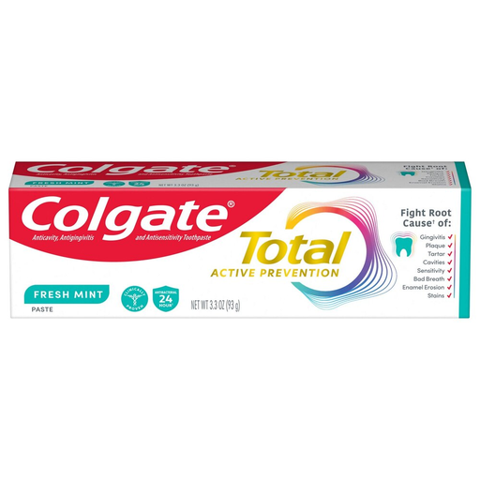

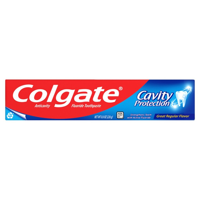


Colgate Total Active Prevention Toothpaste Fresh Mint
At a glance
Summary
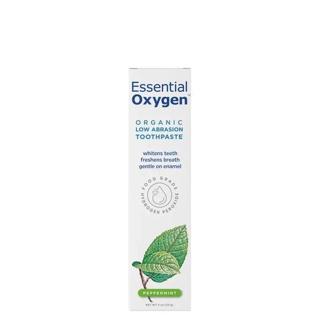
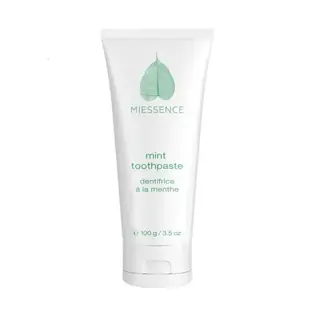
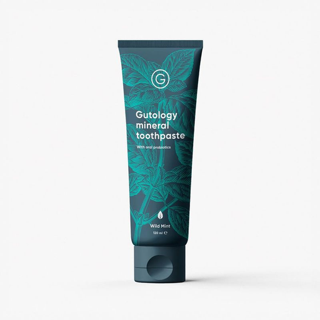
Colgate Total Active Prevention Fresh Mint scores 22/100. Mass-market fluoride paste loaded with stannous fluoride, SLS (canker-sore trigger), titanium dioxide (EU food-additive ban 2022), PEG-12, and dual saccharin + sucralose sweeteners. Cleaner alternatives use nano-hydroxyapatite. Owned by Colgate-Palmolive Company.
Key ingredients 17
Stannous Fluoride 0.454%Very Bad
Active anticavity/antigingivitis/antisensitivity ingredient. Fluoride is classified by The Lancet (2014) as a developmental neurotoxicant; chronic ingestion is linked to dental fluorosis, lowered IQ in children (NTP 2024 monograph), and thyroid suppression. The stannous (tin) form is gentler on soft tissue than sodium fluoride but the fluoride-ion exposure concern is identical.
See more about Stannous Fluoride 0.454% →Sodium Lauryl SulfateVery Bad
Harsh anionic surfactant responsible for the foaming action. Documented trigger for recurrent aphthous (canker) ulcers in clinical studies (Herlofson & Barkvoll 1996, Healy et al. 1999); strips the protective oral mucin layer; common contact irritant. Cleaner toothpastes use coconut-derived alternatives.
See more about Sodium Lauryl Sulfate →Sodium HexametaphosphateBad
Synthetic phosphate tartar-control agent. Long-term use is associated with enamel erosion and gum irritation; high systemic phosphate intake is linked to kidney stress and cardiovascular calcification.
See more about Sodium Hexametaphosphate →PEG-12Bad
Polyethylene glycol thickener and solvent. PEGs are commonly contaminated with 1,4-dioxane (an EPA likely human carcinogen and IARC Group 2B) and ethylene oxide (IARC Group 1) as ethoxylation byproducts unless explicitly purified.
See more about PEG-12 →Aroma (Flavor)Bad
Undisclosed proprietary flavor blend. Can hide dozens of synthetic aroma chemicals, phthalate carriers, and allergens with zero consumer disclosure under FDA trade-secret rules.
See more about Aroma (Flavor) →Trisodium PhosphateBad
Strongly alkaline pH adjuster (also used as an industrial degreaser). Repeated exposure can disrupt the enamel pH balance and irritate soft oral tissue.
See more about Trisodium Phosphate →Sodium SaccharinBad
Synthetic sweetener used purely for taste. Associated with gut microbiome disruption (Suez et al. 2014) and was on the U.S. NTP carcinogen list until 2000; safety remains controversial.
See more about Sodium Saccharin →SucraloseBad
Synthetic chlorinated sweetener. Recent peer-reviewed work (Schiffman et al. 2023) shows DNA damage and gut-barrier disruption at typical exposure levels. No reason to ingest a synthetic sweetener through toothpaste.
See more about Sucralose →WaterNeutral
Solvent base for the formulation.
See more about Water →Hydrated SilicaNeutral
Standard gentle abrasive that physically scrubs plaque and stain off enamel. Inert and non-toxic at toothpaste concentrations.
See more about Hydrated Silica →Cellulose GumNeutral
Plant-derived thickener (carboxymethylcellulose). Inert and safe in topical oral care.
See more about Cellulose Gum →Cocamidopropyl BetaineNeutral
Coconut-derived surfactant — milder than sulfates, though an occasional allergen.
See more about Cocamidopropyl Betaine →Titanium Dioxide (CI 77891)Neutral
Standard formulation ingredient — neither beneficial nor harmful at typical use.
See more about Titanium Dioxide (CI 77891) →Stannous ChlorideNeutral
Tin salt acting as a stabilizer for the stannous fluoride active so it does not oxidize during shelf life.
See more about Stannous Chloride →Xanthan GumNeutral
Plant-derived thickener that controls paste viscosity. Inert and safe.
See more about Xanthan Gum →GlycerinGood
Humectant that draws moisture to the skin — a beneficial base ingredient.
See more about Glycerin →MicaGood
Mineral pigment — the clean alternative to synthetic dyes.
See more about Mica →Get the full breakdown in the Scout appTake Scout shopping
Scan any product to see lab results, healthy alternatives, and your personalized analysis.
Download on theApp Store GET IT ONGoogle PlayAmazon pricing & content
CERTAIN CONTENT THAT APPEARS ON THIS SITE COMES FROM AMAZON. THIS CONTENT IS PROVIDED “AS IS” AND IS SUBJECT TO CHANGE OR REMOVAL AT ANY TIME.