
Ingredient
PEG-12
What is PEG-12?
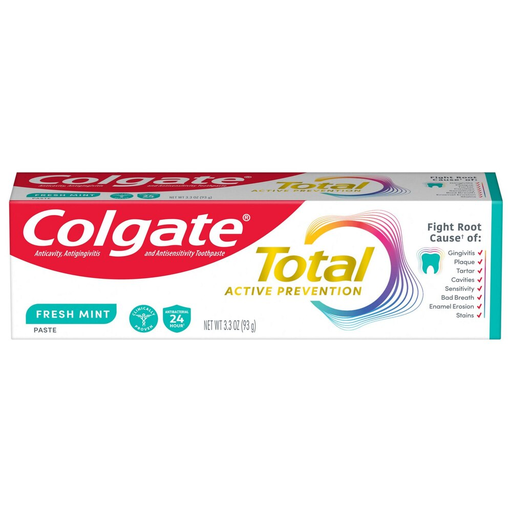
PEG-12, or polyethylene glycol-12, is a synthetic polymer made by joining molecules of ethylene oxide. It belongs to a family of compounds often used in cosmetics and personal care products.
In toothpaste, PEG-12 acts as a humectant, keeping the paste from drying out, and as a stabilizer, maintaining the texture and consistency of the product. While generally considered safe for topical use, there is some concern about potential skin irritation and absorption, especially if the skin barrier is compromised.
When you see PEG-12 on a label, it indicates a synthetic component that helps improve the product's texture and preservation. The ingredient is commonly recognized as safe for external use, but consumers with sensitive skin or those seeking natural products might prefer to avoid it.
Commonly found in: toothpaste, lotions, shampoos, cosmetic creams, conditioners
What to watch
- PEG compounds can cause skin irritation in some individuals, especially if the skin barrier is compromised.
PEG-12 is not specifically regulated by the FDA but is generally considered safe for use in cosmetics.
Research notes that while PEG compounds are generally safe, irritation may occur in rare cases, particularly if skin absorption is increased due to damaged skin.
PEG-12 is synthetically derived and typically considered vegan.
Sources: Final Report on the Safety Assessment of Polyethylene Glycols
Scout's take
Polyethylene glycol thickener and solvent. PEGs are commonly contaminated with 1,4-dioxane (an EPA likely human carcinogen and IARC Group 2B) and ethylene oxide (IARC Group 1) as ethoxylation byproducts unless explicitly purified.
Found in 3 products


Scan any product to see every ingredient explained — and healthier swaps.
Download on theApp Store GET IT ONGoogle Play