
Ingredient
Sodium Saccharin
What is Sodium Saccharin?
Sodium saccharin is a non-nutritive artificial sweetener, meaning it provides a sweet taste without calories. It is made by combining anthranilic acid with nitrous acid, sulfur dioxide, chlorine, and ammonia.
It is commonly used as a sugar substitute in various food and beverage products as well as in oral care products like toothpaste. While it has been linked to cancer concerns in high doses during early studies on rodents, subsequent research has indicated that these findings are not applicable to humans at typical consumption levels.
When seen on labels, sodium saccharin might be an option for those looking to reduce sugar intake, but some may still choose to avoid it based on past controversies.
Commonly found in: Toothpaste, Whitening products, Diet soft drinks, Chewing gum, Tabletop sweeteners, Baked goods
What to watch
- Early studies suggested a cancer risk in rodents, which led to some public concern.
Benefits
- Calorie-free way to add sweetness without affecting blood sugar levels significantly.
Sodium saccharin is approved by the FDA for use in food but with some historical concerns about safety.
Some research linked it to cancer in rodents, but later studies have shown this does not apply to typical human consumption.
Sodium saccharin is synthetic and considered vegan-friendly.
Sources: Everything Added to Food in the United States (EAFUS)
Scout's take
Synthetic sweetener used purely for taste. Associated with gut microbiome disruption (Suez et al. 2014) and was on the U.S. NTP carcinogen list until 2000; safety remains controversial.
More from Scout's analyses
Synthetic sweetener associated with gut microbiome disruption (Suez et al. 2014); historical NTP carcinogen listing.
from the analysis of Sensodyne Extra Whitening Cool Mint ToothpasteArtificial sweetener — penalized under Scout doctrine.
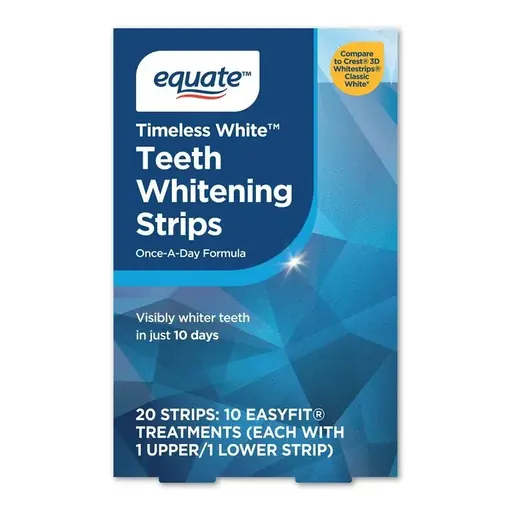
from the analysis of equate Timeless White Whitening StripsSodium saccharin is an artificial sweetener that has been linked to health concerns, including potential carcinogenic effects. Its use in toothpaste raises safety concerns, particularly for children who may ingest it.
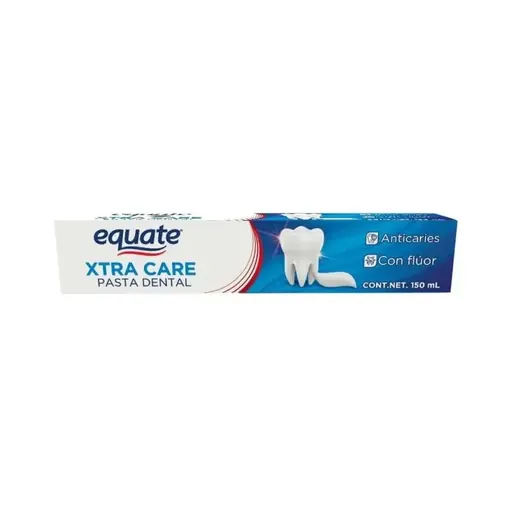
from the analysis of equate XTRA CARE PASTA DENTALFound in 13 products
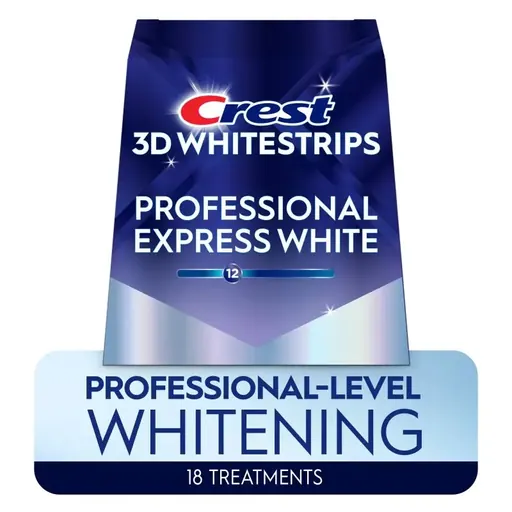

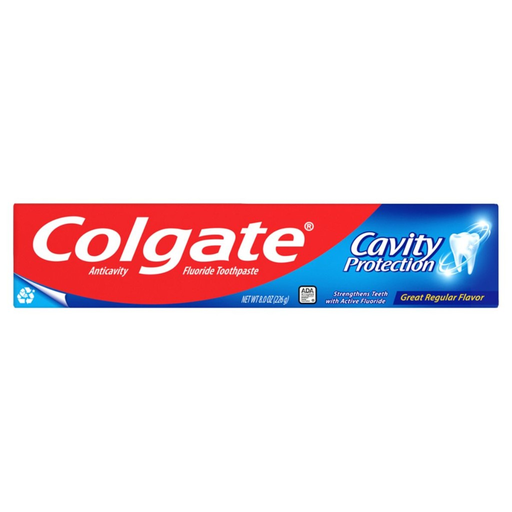
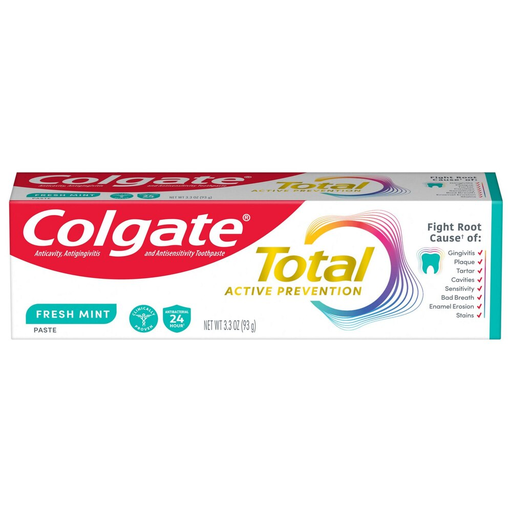
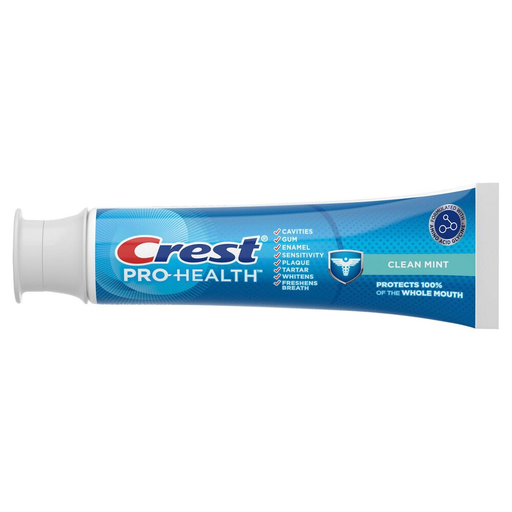


Scan any product to see every ingredient explained — and healthier swaps.
Download on theApp Store GET IT ONGoogle Play