
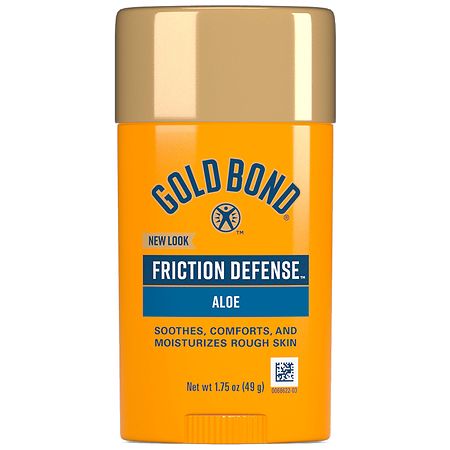
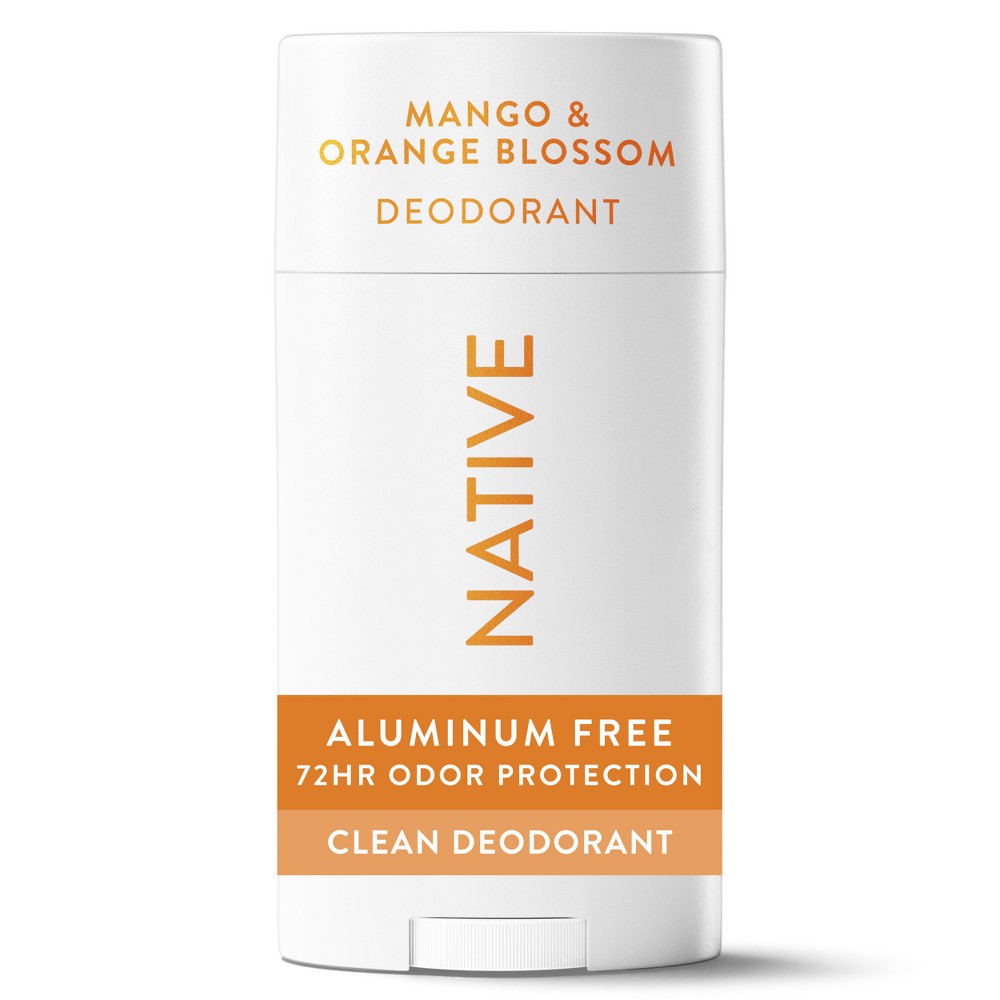
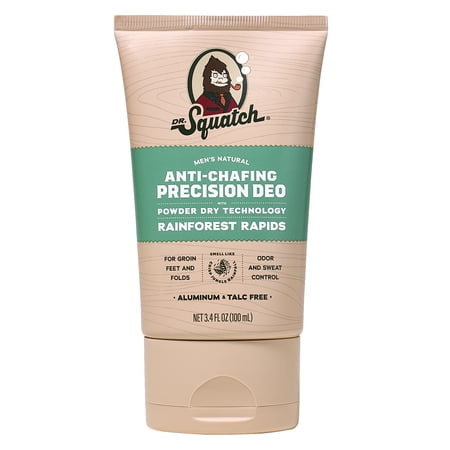
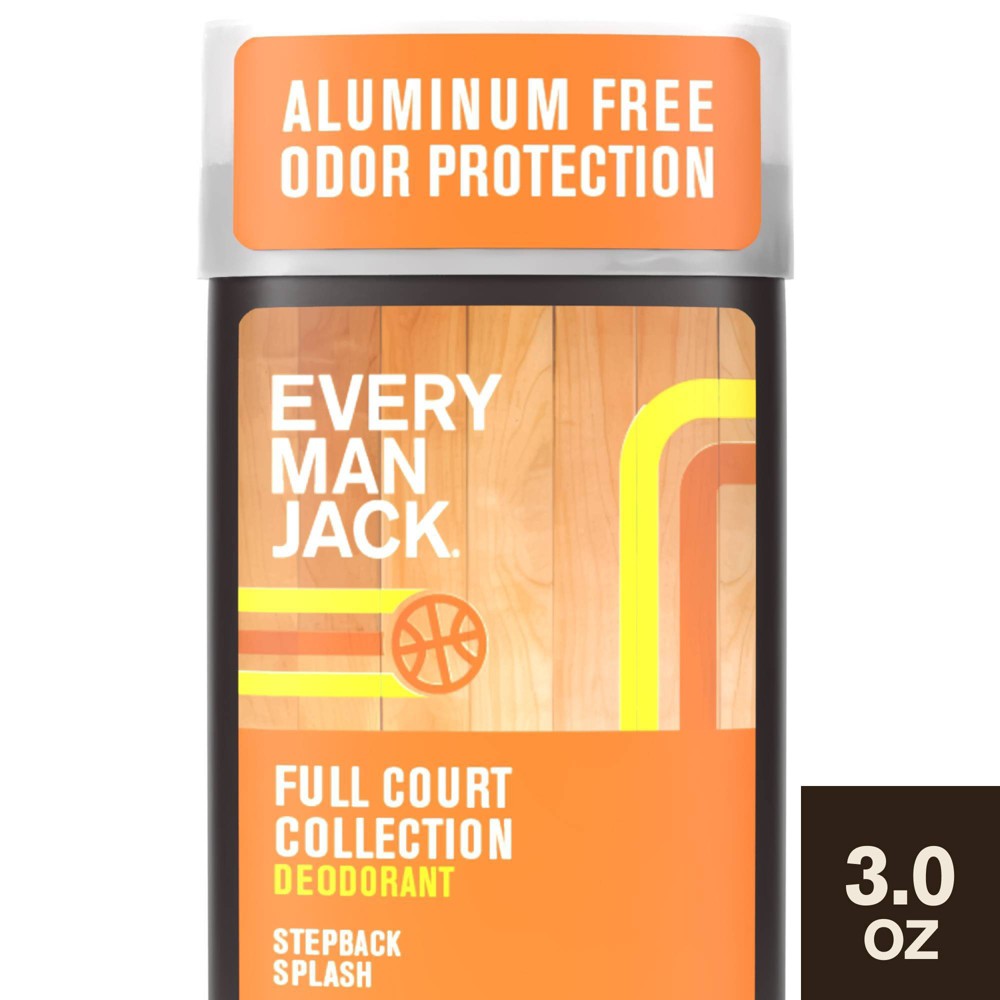


Gold Bond Friction Defense 1.75oz Skin Healing and Moisturizing Stick
Analysis updated September 2026 · How Scout scores
At a glance
Summary
This product contains several beneficial ingredients such as caprylic/capric triglyceride, zinc oxide, and aloe barbadensis leaf extract, which are known for their moisturizing and soothing properties. The absence of aluminum and other harmful additives like parabens and synthetic fragrances contributes to its high score, making it a safe choice for skin protection and moisture retention.
Key ingredients 14
caprylic/capric triglycerideGood
Caprylic/capric triglyceride is a mixed triester derived from coconut oil and glycerin. It is used for its emollient properties, providing a silky feel and helping to retain moisture in the skin. It is generally considered safe and non-irritating.
Risks
There are minimal risks associated with this ingredient, though some individuals may experience mild irritation.
Benefits
It helps to moisturize and soften the skin, enhancing the product's overall skin-conditioning properties.
zinc oxideGood
Zinc oxide is a mineral used for its protective and soothing properties. It acts as a skin protectant and has mild antimicrobial effects. It is generally considered safe and effective.
Risks
There are minimal risks associated with zinc oxide, though inhalation of its powder form should be avoided.
Benefits
It provides a protective barrier on the skin, helping to soothe irritation and prevent moisture loss.
aloe barbadensis leaf extractGood
Aloe barbadensis leaf extract is derived from the aloe vera plant and is known for its soothing and moisturizing properties. It helps to calm irritated skin and provide hydration. It is generally considered safe and beneficial.
Risks
There are minimal risks associated with aloe vera, though some individuals may experience allergic reactions.
Benefits
It helps to soothe and hydrate the skin, enhancing the product's overall skin-conditioning properties.
bisabololGood
Bisabolol is a natural compound derived from chamomile that is known for its soothing and anti-inflammatory properties. It helps to calm and protect the skin. It is generally considered safe and beneficial.
Risks
There are minimal risks associated with bisabolol, though some individuals may experience allergic reactions.
Benefits
It helps to soothe and protect the skin, enhancing the product's overall skin-conditioning properties.
tocopheryl acetateGood
Tocopheryl acetate is a form of vitamin E used for its antioxidant properties. It helps to protect the skin from environmental damage and improve skin health. It is generally considered safe and beneficial.
Risks
There are minimal risks associated with tocopheryl acetate, though it may cause mild irritation in sensitive individuals.
Benefits
It provides antioxidant protection and helps to improve skin health, enhancing the product's overall benefits.
zingiber officinale (ginger) root extractGood
Ginger root extract is known for its antioxidant and anti-inflammatory properties. It helps to protect the skin and reduce inflammation. It is generally considered safe and beneficial.
Risks
There are minimal risks associated with ginger root extract, though some individuals may experience allergic reactions.
Benefits
It provides antioxidant protection and helps to reduce inflammation, enhancing the product's overall skin-conditioning properties.
tribeheninNeutral
Tribehenin is a wax ester used as a skin-conditioning agent and emollient. It helps to improve the texture and feel of the product. It is generally considered safe for use in cosmetics.
Risks
There are no significant risks associated with tribehenin, though it may cause mild irritation in sensitive individuals.
Benefits
It helps to condition and soften the skin, contributing to the product's moisturizing effects.
cetyl estersNeutral
Cetyl esters are synthetic waxes used to improve the texture and consistency of cosmetic products. They provide a smooth application and enhance the product's emollient properties. They are generally considered safe for use.
Risks
There are minimal risks associated with cetyl esters, though they may cause mild irritation in sensitive skin.
Benefits
They help to improve the texture and application of the product, enhancing its overall feel.
stearyl alcoholNeutral
Stearyl alcohol is a fatty alcohol used as an emollient and thickening agent in cosmetics. It helps to stabilize and thicken formulations, providing a creamy texture. It is generally considered safe and non-irritating.
Risks
There are minimal risks associated with stearyl alcohol, though it may cause mild irritation in some individuals.
Benefits
It helps to improve the texture and stability of the product, contributing to its moisturizing properties.
synthetic waxNeutral
Synthetic wax is used to provide structure and stability to cosmetic formulations. It helps to create a smooth and even application. It is generally considered safe for use in cosmetics.
Risks
There are minimal risks associated with synthetic wax, though it may cause mild irritation in sensitive individuals.
Benefits
It helps to improve the texture and application of the product, enhancing its overall performance.
silicaNeutral
Silica is used as an absorbent and anti-caking agent in cosmetics. It helps to improve the texture and feel of the product. It is generally considered safe for use.
Risks
There are minimal risks associated with silica, though inhalation of its powder form should be avoided.
Benefits
It helps to improve the texture and application of the product, enhancing its overall performance.
ethylhexylglycerinNeutral
Ethylhexylglycerin is used as a skin-conditioning agent and preservative enhancer. It helps to improve the efficacy of preservatives and provides a smooth feel. It is generally considered safe for use.
Risks
There are minimal risks associated with ethylhexylglycerin, though it may cause mild irritation in sensitive individuals.
Benefits
It helps to enhance the preservation of the product and improve its overall feel.
isopropyl myristateNeutral
Isopropyl myristate is used as an emollient and thickening agent in cosmetics. It helps to improve the texture and spreadability of the product. It is generally considered safe for use.
Risks
There are minimal risks associated with isopropyl myristate, though it may cause mild irritation in sensitive individuals.
Benefits
It helps to improve the texture and application of the product, enhancing its overall feel.
isopropyl palmitateNeutral
Isopropyl palmitate is used as an emollient and thickening agent in cosmetics. It helps to improve the texture and spreadability of the product. It is generally considered safe for use.
Risks
There are minimal risks associated with isopropyl palmitate, though it may cause mild irritation in sensitive individuals.
Benefits
It helps to improve the texture and application of the product, enhancing its overall feel.
Get the full breakdown in the Scout appTake Scout shopping
Scan any product to see lab results, healthy alternatives, and your personalized analysis.
Download on theApp Store GET IT ONGoogle Play