
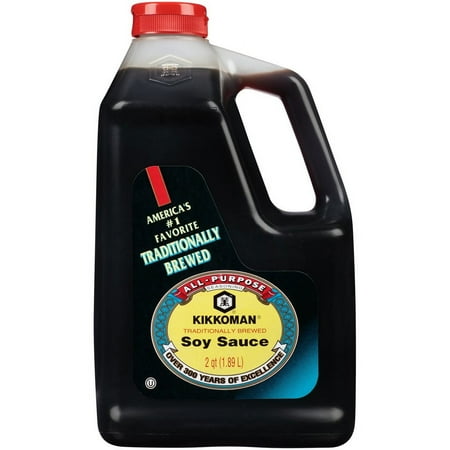


Kikkoman Soy Sauce
Analysis updated June 2026 · How Scout scores
At a glance
Summary
This soy sauce is a processed food with a simple ingredient list, primarily consisting of water, wheat, soybeans, and salt. However, it contains sodium benzoate as a preservative, which is controversial due to potential health concerns. The presence of this additive and the processing level limit its score, despite the otherwise straightforward composition.
Key ingredients 6
WaterNeutral
Water is a natural base for soy sauce, essential for its liquid form and dilution of other ingredients.
See more about Water →WheatNeutral
Wheat provides the fermentation substrate and contributes to the flavor profile of soy sauce.
See more about Wheat →SoybeansNeutral
Soybeans are the primary source of protein and umami flavor in soy sauce.
See more about Soybeans →SaltNeutral
Salt enhances flavor and acts as a preservative in soy sauce.
See more about Salt →Sodium BenzoateBad
Sodium Benzoate is a preservative that may pose health concerns when consumed in large amounts.
See more about Sodium Benzoate →En:e211Bad
En:e211 is an artificial additive that consumers often prefer to avoid due to potential health concerns.
Processing
Processed Foods
Get the full breakdown in the Scout appTake Scout shopping
Scan any product to see lab results, healthy alternatives, and your personalized analysis.
Download on theApp Store GET IT ONGoogle PlayAmazon pricing & content
Amazon price as of . Product prices and availability are accurate as of the date/time indicated and are subject to change. Any price and availability information displayed on Amazon.com at the time of purchase will apply to the purchase of this product.
CERTAIN CONTENT THAT APPEARS ON THIS SITE COMES FROM AMAZON. THIS CONTENT IS PROVIDED “AS IS” AND IS SUBJECT TO CHANGE OR REMOVAL AT ANY TIME.