Ingredient
Sodium Benzoate
What is Sodium Benzoate?
Sodium Benzoate is a widely used food preservative. It is the sodium salt of benzoic acid, and is generally produced by reacting benzoic acid with sodium hydroxide. This compound is commonly found in processed foods and beverages due to its effectiveness in preventing spoilage from bacteria and fungi.
Sodium Benzoate is particularly valued for its ability to extend the shelf life of acidic foods such as salad dressings, carbonated drinks, jams, fruit juices, and condiments. While recognized as safe in regulated amounts, there have been debates about its safety, especially when used alongside Vitamin C, where it might form benzene, a carcinogen.
In terms of labeling, it's important to know that Sodium Benzoate is globally accepted for use in food at specified levels, though some consumer groups caution against excessive consumption due to potential health concerns.
Commonly found in: soft drinks, salad dressings, jams, fruit juices, pickles, condiments
What to watch
- Sodium Benzoate can react with ascorbic acid (Vitamin C) to form trace amounts of benzene, a potential carcinogen.
Benefits
- Effective in preventing microbial growth, extending the shelf life of acidic foods and drinks.
Sodium Benzoate is generally recognized as safe (GRAS) by the FDA when used within prescribed limits.
While the preservative is effective in preventing spoilage, studies suggest potential health risks when combined with ascorbic acid and consumed in high amounts.
Sodium Benzoate is not derived from animal products and is considered vegan-friendly.
Sources: Code of Federal Regulations
Scout's take
Synthetic preservative that can form benzene in the presence of vitamin C.
The case against
There are minimal risks, though it may cause mild irritation in very sensitive individuals.
from the analysis of Avene Tolerance Foaming Facial Cleanser · echoed in 1 other analysisCan cause irritation in sensitive skin and is a mild irritant to the eyes.
from the analysis of Native Body Wash Sea Salt & Cedar Sulfate Free for Women & Men · echoed in 1 other analysisIn rare cases, it may cause mild irritation or allergic reactions in sensitive individuals.
from the analysis of Innersense Organic Beauty - Natural Pure Harmony Hairbath ShampooPotential formation of benzene, a known carcinogen, when combined with ascorbic acid.
from the analysis of Log Cabin Original Syrup - 24 fl ozIt can cause irritation in sensitive individuals, especially in high concentrations.
from the analysis of Aveeno Skin Relief Body Wash with Coconut ScentThe case for
Helps in preserving the product and extending its shelf life.
from the analysis of Salt & Stone Body Wash - Bergamot & Hinoki · echoed in 1 other analysisIt helps to preserve the product and prevent spoilage.
from the analysis of SheaMoisture Coconut & Hibiscus Curl & Style Milk For Thick Curly Hair · echoed in 1 other analysisIt helps preserve the product and prevent spoilage, ensuring safety and efficacy.
from the analysis of Innersense Organic Beauty - Natural Pure Harmony Hairbath ShampooSodium benzoate helps preserve the product and prevent microbial growth.
from the analysis of Papatui Paraben-Free Men's Ageless Action Niacinamide and Hyaluronic Acid Face Exfoliating Scrub - UnscentedIt acts as a preservative to maintain product safety and longevity.
from the analysis of Avene Tolerance Foaming Facial CleanserMore from Scout's analyses
A synthetic preservative that can form trace benzene when combined with ascorbic acid, though no vitamin C is present in this formula. Paired here with potassium sorbate as the preservative system.
from the analysis of MAC Energy DrinkChemical preservative — benzene formation risk with both citric acid and ascorbic acid present in the formula.
from the analysis of Ghost Energy DrinkSodium benzoate is a preservative that some consumers prefer to avoid due to potential health concerns associated with artificial additives.
from the analysis of OH SNAP! FRESH DILL PICKLE SNACKING CUTSFound in 45 products








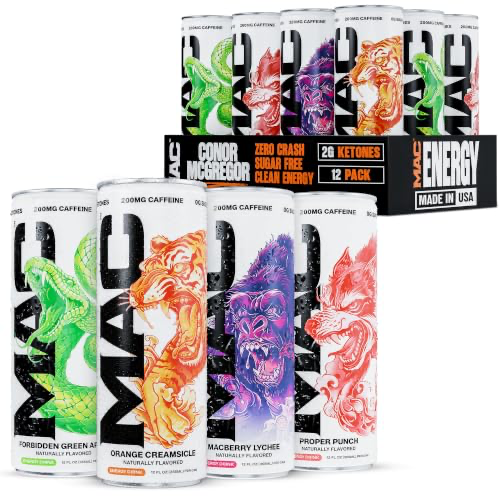
+ 21 more products in the Scout app
Scan any product to see every ingredient explained — and healthier swaps.
Download on theApp Store GET IT ONGoogle Play