



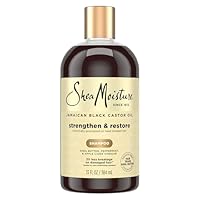

SheaMoisture Coconut & Hibiscus Curl & Style Milk For Thick Curly Hair
At a glance
Summary
This product features a blend of natural and beneficial ingredients such as coconut oil, shea butter, and aloe vera, which are known for their moisturizing and nourishing properties. The presence of a fragrance, even as an essential oil blend, is a potential irritant and slightly detracts from the overall safety profile. However, the product remains largely composed of safe, minimally processed ingredients, contributing to its favorable rating.
Key ingredients 24
Cocos Nucifera (Coconut) OilVery Good
Coconut oil is a natural emollient that helps to moisturize and soften the skin and hair. It is rich in fatty acids that provide nourishment and improve texture. It is widely used for its conditioning properties.
Risks
Some individuals may experience allergic reactions or acne breakouts from coconut oil.
Benefits
Coconut oil provides deep hydration and helps to reduce protein loss in hair.
Butyrospermum Parkii (Shea) ButterVery Good
Shea butter is a natural fat extracted from the nuts of the shea tree. It is rich in vitamins and fatty acids, providing deep moisturization and nourishment. It is widely used for its emollient properties.
Risks
There are minimal risks, though some individuals may experience allergic reactions.
Benefits
Shea butter helps to soothe and hydrate dry skin and hair, improving elasticity and softness.
Aloe Barbadensis Leaf JuiceVery Good
Aloe vera juice is known for its soothing and hydrating properties. It contains vitamins, minerals, and amino acids that benefit the skin and hair. It is widely used for its calming effects on irritated skin.
Risks
There are minimal risks, though some individuals may experience allergic reactions.
Benefits
Aloe vera juice helps to soothe and hydrate the skin and hair, reducing inflammation and irritation.
PanthenolVery Good
Panthenol, also known as provitamin B5, is a humectant that attracts moisture to the skin and hair. It is known for its moisturizing and soothing properties. It is widely used in skincare and haircare products.
Risks
There are minimal risks, though some individuals may experience irritation.
Benefits
Panthenol helps to improve hydration, reduce inflammation, and enhance the appearance of skin and hair.
TocopherolVery Good
Tocopherol, also known as Vitamin E, is a powerful antioxidant that helps to protect the skin and hair from environmental damage. It is known for its moisturizing and anti-aging properties. It is widely used in skincare and haircare products.
Risks
There are minimal risks, though some individuals may experience allergic reactions.
Benefits
It helps to protect and nourish the skin and hair, reducing signs of aging and improving overall health.
Glycerin (Vegetable)Good
Glycerin is a humectant that attracts moisture to the skin and hair. It is derived from vegetable oils and is known for its hydrating properties. It is widely used in skincare and haircare products.
Risks
Glycerin is generally safe, but in high concentrations, it may cause stickiness.
Benefits
It helps to maintain moisture levels and improve skin and hair hydration.
Cocos Nucifera (Coconut) Fruit JuiceGood
Coconut fruit juice is derived from the liquid inside coconuts. It is hydrating and contains nutrients beneficial for skin and hair. It is used for its moisturizing properties.
Risks
There are minimal risks, though some individuals may experience allergic reactions.
Benefits
It provides hydration and nourishment, helping to improve skin and hair health.
Daucus Carota Sativa (Carrot) Seed OilGood
Carrot seed oil is rich in antioxidants and vitamins, providing nourishment and protection for the skin and hair. It is known for its anti-aging and rejuvenating properties. It is used for its ability to improve skin tone and texture.
Risks
There are minimal risks, though some individuals may experience allergic reactions.
Benefits
It helps to nourish and protect the skin and hair, improving elasticity and reducing signs of aging.
Sodium Lauroyl Hydrolyzed SilkGood
Sodium lauroyl hydrolyzed silk is a conditioning agent derived from silk proteins. It helps to improve the texture and appearance of hair, providing a silky feel. It is used for its ability to enhance shine and manageability.
Risks
There are minimal risks, though some individuals may experience irritation.
Benefits
It provides conditioning and smoothing benefits, improving the overall appearance of hair.
Algae ExtractGood
Algae extract is rich in vitamins, minerals, and antioxidants, providing nourishment and protection for the skin and hair. It is known for its hydrating and anti-aging properties. It is used for its ability to improve skin and hair health.
Risks
There are minimal risks, though some individuals may experience allergic reactions.
Benefits
It helps to hydrate and protect the skin and hair, improving elasticity and reducing signs of aging.
Melia Azadirachta Seed OilGood
Neem seed oil is known for its antibacterial and anti-inflammatory properties. It is rich in fatty acids and antioxidants, providing nourishment and protection for the skin and hair. It is used for its ability to soothe and heal irritated skin.
Risks
There are minimal risks, though some individuals may experience allergic reactions.
Benefits
It helps to soothe and protect the skin and hair, reducing inflammation and irritation.
Salvia Officinalis (Sage) Leaf ExtractGood
Sage leaf extract is known for its antioxidant and antimicrobial properties. It is used to improve the health and appearance of skin and hair. It is used for its ability to soothe and protect against environmental damage.
Risks
There are minimal risks, though some individuals may experience allergic reactions.
Benefits
It helps to protect and soothe the skin and hair, reducing inflammation and irritation.
Equisetum Arvense ExtractGood
Horsetail extract is rich in silica, which helps to strengthen and improve the health of skin and hair. It is known for its antioxidant and anti-inflammatory properties. It is used for its ability to improve elasticity and reduce signs of aging.
Risks
There are minimal risks, though some individuals may experience allergic reactions.
Benefits
It helps to strengthen and protect the skin and hair, improving elasticity and reducing signs of aging.
Hibiscus Rosa-Sinensis Flower ExtractGood
Hibiscus flower extract is rich in antioxidants and vitamins, providing nourishment and protection for the skin and hair. It is known for its hydrating and anti-aging properties. It is used for its ability to improve skin and hair health.
Risks
There are minimal risks, though some individuals may experience allergic reactions.
Benefits
It helps to hydrate and protect the skin and hair, improving elasticity and reducing signs of aging.
WaterNeutral
Water is a common solvent used in cosmetic formulations. It helps dissolve other ingredients and provides a base for the product. It is generally considered safe and non-irritating.
Risks
There are no significant risks associated with water in cosmetic products.
Benefits
Water helps to hydrate the skin and hair by providing moisture.
Glyceryl StearateNeutral
Glyceryl stearate is an emulsifier that helps to blend oil and water components in formulations. It is derived from glycerin and stearic acid. It is generally considered safe for use in cosmetics.
Risks
There are minimal risks associated with glyceryl stearate, though it may cause irritation in sensitive individuals.
Benefits
It helps to stabilize formulations and improve texture.
Stearyl AlcoholNeutral
Stearyl alcohol is a fatty alcohol used as an emollient and thickener in cosmetic formulations. It helps to improve texture and stability. It is considered safe for use in cosmetics.
Risks
There are minimal risks, though it may cause irritation in sensitive individuals.
Benefits
It provides a creamy texture and helps to soften the skin and hair.
Cetyl AlcoholNeutral
Cetyl alcohol is a fatty alcohol that acts as an emollient and thickener in cosmetic products. It helps to stabilize formulations and improve texture. It is generally considered safe and non-irritating.
Risks
There are minimal risks, though it may cause irritation in sensitive individuals.
Benefits
It provides a smooth texture and helps to soften and condition the skin and hair.
Behentrimonium ChlorideNeutral
Behentrimonium chloride is a conditioning agent that helps to detangle and soften hair. It is a quaternary ammonium compound used in haircare products. It is effective in reducing static and improving manageability.
Risks
In high concentrations, it may cause irritation or allergic reactions.
Benefits
It provides excellent conditioning and detangling properties for hair.
HydroxyethylcelluloseNeutral
Hydroxyethylcellulose is a thickening agent used to improve the texture and stability of cosmetic formulations. It is derived from cellulose and is considered safe for use in cosmetics. It is used to enhance the viscosity of products.
Risks
There are minimal risks, though it may cause irritation in sensitive individuals.
Benefits
It helps to improve the texture and stability of formulations.
Glyceryl CaprylateNeutral
Glyceryl caprylate is an emulsifier and conditioning agent used in cosmetic formulations. It is derived from glycerin and caprylic acid. It is considered safe for use in cosmetics.
Risks
There are minimal risks, though it may cause irritation in sensitive individuals.
Benefits
It helps to stabilize formulations and improve texture.
Glyceryl UndecylenateNeutral
Glyceryl undecylenate is an emulsifier and conditioning agent used in cosmetic formulations. It is derived from glycerin and undecylenic acid. It is considered safe for use in cosmetics.
Risks
There are minimal risks, though it may cause irritation in sensitive individuals.
Benefits
It helps to stabilize formulations and improve texture.
Sodium BenzoateBad
Synthetic preservative that can form benzene in the presence of vitamin C.
Risks
In high concentrations, it may cause irritation or allergic reactions.
Benefits
It helps to preserve the product and prevent spoilage.
Fragrance (Essential Oil Blend)Very Bad
Fragrance in cosmetics can cause allergic reactions and skin irritation. It is often a blend of various essential oils and synthetic compounds. It is considered a potential irritant, especially for sensitive skin.
Risks
Fragrance can cause allergic reactions, skin irritation, and may trigger asthma in sensitive individuals.
Benefits
Fragrance provides a pleasant scent to the product, enhancing the user experience.
Get the full breakdown in the Scout appTake Scout shopping
Scan any product to see lab results, healthy alternatives, and your personalized analysis.
Download on theApp Store GET IT ONGoogle PlayAmazon pricing & content
Amazon price as of . Product prices and availability are accurate as of the date/time indicated and are subject to change. Any price and availability information displayed on Amazon.com at the time of purchase will apply to the purchase of this product.
CERTAIN CONTENT THAT APPEARS ON THIS SITE COMES FROM AMAZON. THIS CONTENT IS PROVIDED “AS IS” AND IS SUBJECT TO CHANGE OR REMOVAL AT ANY TIME.