Ken's Steak House Creamy Caesar
Swap it for
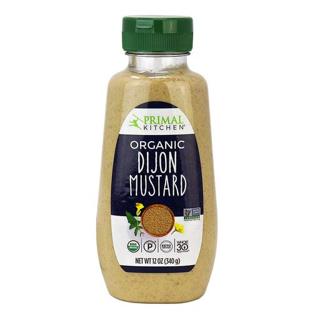
 Primal Kitchen Organic Dijon Mustard Primal kitchen · 12 oz View on Amazon See all Condiments, ranked
At a glance
Summary
This product is heavily penalized due to its reliance on soybean oil, a seed oil high in omega-6 fatty acids, which can promote inflammation. It also contains multiple synthetic additives such as titanium dioxide, caramel color, and preservatives like sodium benzoate, which contribute to its ultra-processed nature. Despite some beneficial ingredients like olive oil and parmesan cheese, the overall ingredient quality and high level of processing significantly lower its health score.
Key ingredients 28
Soybean oilVery Bad
Soybean oil is a seed oil high in omega-6 fatty acids, which can promote inflammation. It is heavily processed and often extracted using chemical solvents. Its high omega-6 content may disrupt the omega-3 to omega-6 balance in the diet.
Risks
High omega-6 content may promote inflammation when consumed in excess.
SugarBad
Sugar is a refined carbohydrate that provides empty calories and can contribute to weight gain and metabolic issues. It is highly processed and lacks nutritional value. Excessive consumption is linked to various health problems.
Risks
Excessive sugar intake is linked to obesity, diabetes, and dental issues.
Natural flavorBad
Natural flavors are highly processed and can contain a variety of chemical compounds. They are used to enhance flavor but provide no nutritional benefits. The lack of transparency in their composition is a concern.
Risks
Potential allergenicity and lack of transparency in composition.
Titanium dioxideBad
Titanium dioxide is used as a whitening agent and has no nutritional value. It is a synthetic additive with potential health concerns. Its safety as a food additive is under scrutiny.
Risks
Potential health concerns related to its safety as a food additive.
Potassium sorbateBad
Potassium sorbate is a synthetic preservative used to inhibit mold and yeast growth. It is highly processed and provides no nutritional benefits. Its safety is generally recognized, but it can cause allergic reactions in some individuals.
Risks
May cause allergic reactions or skin irritation in sensitive individuals.
Sodium benzoateBad
Sodium benzoate is a synthetic preservative used to prevent microbial growth. It is highly processed and provides no nutritional benefits. It can form benzene, a carcinogen, under certain conditions.
Risks
Potential formation of benzene, a carcinogen, under certain conditions.
Propylene glycol alginateBad
Propylene glycol alginate is used as a thickener and stabilizer. It is a synthetic additive derived from alginic acid. It provides no nutritional benefits and can cause digestive issues in some individuals.
Risks
May cause digestive discomfort or allergic reactions in sensitive individuals.
Corn syrupBad
Corn syrup is a refined sweetener high in glucose and provides empty calories. It is highly processed and lacks nutritional value. Excessive consumption is linked to obesity and metabolic issues.
Risks
Excessive consumption is linked to obesity and metabolic issues.
Caramel colorBad
Caramel color is a synthetic additive used for coloring. It is highly processed and provides no nutritional benefits. Some types may contain harmful byproducts like 4-MEI.
Risks
May contain harmful byproducts like 4-MEI, which is a potential carcinogen.
Calcium disodium EDTABad
Calcium disodium EDTA is a synthetic preservative used to protect flavor. It is highly processed and provides no nutritional benefits. It can cause digestive issues and allergic reactions in some individuals.
Risks
May cause digestive issues and allergic reactions in sensitive individuals.
MaltodextrinBad
Maltodextrin is a highly processed carbohydrate used as a thickener and filler. It provides empty calories and can spike blood sugar levels. It lacks nutritional value and is often used in ultra-processed foods.
Risks
Can spike blood sugar levels and contribute to metabolic issues.
WaterNeutral
Water is a neutral ingredient used as a solvent and to adjust consistency. It does not contribute any nutritional value. It is essential for hydration but does not provide additional health benefits in this context.
See more about Water →Distilled vinegarNeutral
Distilled vinegar is used for flavor and as a preservative. It is made through the fermentation of ethanol by acetic acid bacteria. It provides acidity but no significant nutritional benefits.
See more about Distilled vinegar →Parmesan cheeseNeutral
Parmesan cheese provides protein and calcium but is also high in sodium. It is made from pasteurized milk and contains cheese cultures and enzymes. It adds flavor but should be consumed in moderation due to its sodium content.
Risks
High sodium content may contribute to hypertension if consumed in excess.
Benefits
Provides protein and calcium, supporting bone health.
SaltNeutral
Salt is used for flavor enhancement and preservation. It is a refined ingredient that provides sodium but lacks trace minerals. Excessive consumption can lead to health issues like hypertension.
Risks
Excessive sodium intake can lead to hypertension and cardiovascular issues.
Lemon juice concentrateNeutral
Lemon juice concentrate is used for acidity and flavor. It is processed to remove water and may lose some nutrients in the process. It provides minimal nutritional benefits in this form.
Benefits
Provides a source of acidity and flavor.
SpiceNeutral
Spices are used for flavor and may contain beneficial compounds. The specific spices are not identified, making it difficult to assess their individual benefits. They are generally minimally processed.
Benefits
May contain beneficial compounds depending on the specific spices used.
OnionNeutral
Onion is used for flavor and contains beneficial compounds like quercetin. It is minimally processed and can support immune health. However, its quantity in this product is likely too small to provide significant benefits.
Risks
May cause digestive discomfort in sensitive individuals.
Benefits
Contains beneficial compounds that may support immune health.
Xanthan gumNeutral
Fermentation-derived thickener, well tolerated at food-use levels.
Risks
May cause digestive discomfort or allergic reactions in sensitive individuals.
MolassesNeutral
Molasses is a byproduct of sugar refining and provides some minerals like iron and calcium. It is less processed than refined sugar but still high in sugar content. It adds flavor and color to the product.
Risks
High sugar content may contribute to metabolic issues if consumed in excess.
Benefits
Provides some minerals like iron and calcium.
Lactic acidNeutral
Lactic acid is used as a preservative and flavoring agent. It is produced through fermentation and is generally recognized as safe. It provides acidity but no significant nutritional benefits.
See more about Lactic acid →TamarindNeutral
Tamarind is used for flavor and provides some vitamins and minerals. It is minimally processed and can support digestive health. However, its quantity in this product is likely too small to provide significant benefits.
Benefits
Contains vitamins and minerals that may support digestive health.
Celery seedNeutral
Celery seed is used for flavor and contains beneficial compounds like apigenin. It is minimally processed and can support cardiovascular health. However, its quantity in this product is likely too small to provide significant benefits.
Risks
May cause allergic reactions in sensitive individuals.
Benefits
Contains beneficial compounds that may support cardiovascular health.
AnchoviesNeutral
Anchovies provide protein and omega-3 fatty acids. They are minimally processed and can support heart health. However, their quantity in this product is likely too small to provide significant benefits.
Risks
May pose allergy risks for individuals sensitive to fish.
Benefits
Provides protein and omega-3 fatty acids that support heart health.
Egg yolkGood
Egg yolk is a source of high-quality protein and essential nutrients like choline. It contains healthy fats and fat-soluble vitamins. It is less processed compared to other ingredients in this product.
Risks
May pose allergy risks for individuals sensitive to eggs.
Benefits
Rich in essential nutrients and healthy fats that support overall health.
Olive oilGood
Olive oil is a source of monounsaturated fats, which are beneficial for heart health. It contains antioxidants and anti-inflammatory compounds. It is less processed compared to seed oils.
Benefits
Rich in monounsaturated fats that support heart health and provide anti-inflammatory properties.
GarlicGood
Whole food with well-documented cardiovascular and immune benefits.
Risks
May cause digestive discomfort in sensitive individuals.
Benefits
Contains bioactive compounds that may support immune health.
EggVery Good
Minimally processed whole-food ingredient.
Risks
May pose allergy risks for individuals sensitive to eggs.
Benefits
Provides high-quality protein and essential nutrients.
Processing
Ultra-Processed Foods
Get the full breakdown in the Scout appTake Scout shopping
Scan any product to see lab results, healthy alternatives, and your personalized analysis.
Are you Ken's Steak House? Fix an error Get the badge Get tested
Amazon pricing & content
CERTAIN CONTENT THAT APPEARS ON THIS SITE COMES FROM AMAZON. THIS CONTENT IS PROVIDED “AS IS” AND IS SUBJECT TO CHANGE OR REMOVAL AT ANY TIME.