
Ingredient · Updated
Parmesan cheese
Found in 6 products


What is Parmesan cheese?
Parmesan cheese, often labeled as Parmigiano-Reggiano, is a hard, aged cheese made from cow's milk originating from the Parma region of Italy. It's characterized by its strong flavor and grainy texture, produced by a lengthy aging process typically lasting between 12 to 36 months.
Parmesan is commonly used as a flavoring agent in Italian cuisine due to its savory, umami-rich profile. It is a source of protein and calcium, contributing to its favorable reputation in many dietary assessments. However, it's also high in sodium and saturated fats, which can be a concern when consumed in large quantities.
When you see Parmesan cheese on a label, it's often a sign of a premium product owing to its traditional manufacturing methods and strict regional authentication requirements.
Commonly found in: pasta dishes, salads, soups, pizza toppings, snack crackers
What to watch
- High sodium content can contribute to increased blood pressure.
- Contains saturated fats, which in excess can impact heart health.
Benefits
- Rich in protein and calcium, promoting bone health.
- Contains bioactive peptides that may offer health benefits.
Parmesan cheese is recognized as a safe and traditional food product with no special restrictions under current regulations.
Research acknowledges Parmesan's nutritional benefits but advises moderation due to its high sodium and fat content.
As a dairy product, Parmesan is not suitable for a vegan diet.
Sources: Parmesan Cheese
Scout's take
Parmesan cheese is a high-quality source of protein and calcium, made from milk, salt, and rennet. It is aged, which enhances its flavor and digestibility. The aging process also reduces lactose content, making it suitable for some lactose-intolerant individuals.
The case against
May contain lactose, which can be a concern for those with lactose intolerance.
from the analysis of Newman's Own PARMESAN & ROASTED GARLICContains lactose, which may be a concern for lactose-intolerant individuals.
from the analysis of Against the Grain Three Cheese Pizza, -- 6 per case.High sodium content may contribute to hypertension if consumed in excess.
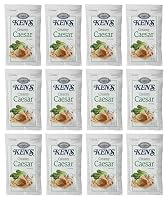
from the analysis of Ken's Steak House Creamy CaesarContains saturated fats, which should be consumed in moderation.
from the analysis of Specially Selected Black Olive Basil & CheeseThe case for
Rich in calcium and protein, supporting bone health and muscle maintenance.
from the analysis of Against the Grain Three Cheese Pizza, -- 6 per case. · echoed in 1 other analysisProvides a concentrated source of protein and calcium, beneficial for bone health.
from the analysis of Specially Selected Black Olive Basil & CheeseProvides protein and calcium, supporting bone health.
from the analysis of Ken's Steak House Creamy CaesarMore from Scout's analyses
Parmesan cheese is a hard cheese rich in calcium and protein. It is made from pasteurized milk and aged to develop a strong flavor and nutritional profile. The aging process reduces lactose content, making it more tolerable for some.
from the analysis of Against the Grain Three Cheese Pizza, -- 6 per case.Parmesan cheese provides protein and calcium but is also high in sodium. It is made from pasteurized milk and contains cheese cultures and enzymes. It adds flavor but should be consumed in moderation due to its sodium content.
from the analysis of Ken's Steak House Creamy CaesarParmesan cheese is a source of protein and calcium, contributing to bone health. It is made from pasteurized milk and contains beneficial cheese cultures. The aging process enhances its flavor and digestibility.
from the analysis of Newman's Own PARMESAN & ROASTED GARLICAll 6 products with Parmesan cheese
Where Parmesan cheese shows up
- Cheese 2 products
- Condiments 2 products
- Pizza 1 product
- Prepared 1 product
Scan any product to see every ingredient explained — and healthier swaps.