Newman's Own PARMESAN & ROASTED GARLIC
Swap it for
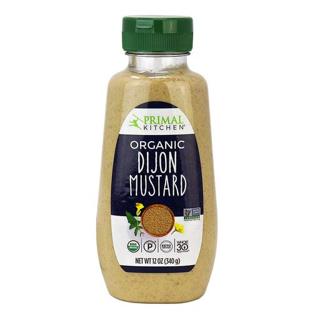
 Primal Kitchen Organic Dijon Mustard Primal kitchen · 12 oz View on Amazon See all Condiments, ranked
At a glance
Summary
This product is heavily processed, containing industrial seed oils like soybean and canola oil, which are linked to inflammation due to their high omega-6 fatty acid content. It also includes refined sugar and natural flavors, which add to the processing concerns. While it contains beneficial ingredients like Parmesan cheese and garlic, the overall ingredient quality and processing level significantly impact its healthiness.
Key ingredients 13
Vegetable OilVery Bad
Vegetable oil, including soybean and canola oil, is high in omega-6 fatty acids which can promote inflammation. These oils are often highly processed and may contain trans fats. The extraction process typically involves chemical solvents, which can degrade oil quality.
Risks
High omega-6 content may promote inflammation when consumed in excess.
SugarBad
Refined sugar is a source of empty calories and can contribute to weight gain and metabolic issues. It is often added for sweetness but lacks nutritional value. High consumption is linked to increased risk of chronic diseases.
Risks
Can lead to weight gain, insulin resistance, and increased risk of type 2 diabetes.
Natural FlavorBad
Natural flavors are added to enhance taste but can be highly processed and lack transparency. They may contain a variety of chemical compounds. The term 'natural' does not guarantee health benefits.
Risks
Lack of transparency in ingredient composition may pose allergy risks.
Distilled VinegarNeutral
Distilled vinegar is a common acidic ingredient used for flavoring and preservation. It is made through the fermentation of ethanol by acetic acid bacteria. It is generally considered safe and has no significant health impacts.
Benefits
May aid in food preservation and add flavor without additional calories.
WaterNeutral
Water is used as a solvent and to adjust the consistency of the product. It is a neutral ingredient with no direct nutritional impact. It serves as a base for mixing other ingredients.
See more about Water →SaltNeutral
Salt is used to enhance flavor and preserve food. It is a common culinary ingredient but should be consumed in moderation. Excessive intake can lead to health issues like hypertension.
Risks
Excessive consumption can contribute to high blood pressure and cardiovascular issues.
Benefits
Essential for maintaining fluid balance and nerve function in the body.
OnionNeutral
Onion is a common vegetable used for flavoring and has some nutritional benefits. It contains antioxidants and may support immune function. It is generally considered a healthy addition to foods.
Risks
May cause digestive discomfort in some individuals.
Benefits
Contains antioxidants and compounds that may support immune health.
Worcestershire SauceNeutral
Worcestershire sauce is a fermented condiment that adds umami flavor to dishes. It contains a blend of ingredients like vinegar, molasses, and spices. It is used in small amounts and generally considered safe.
Risks
Contains sugar and salt, which should be consumed in moderation.
Benefits
Adds complex flavor to dishes without significant nutritional impact.
SpiceNeutral
Spices are used to enhance flavor and may have various health benefits depending on the type. They are generally used in small amounts and contribute to the sensory profile of foods. Specific health impacts depend on the spice used.
Benefits
May contain antioxidants and compounds beneficial for health.
Xanthan GumNeutral
Xanthan gum is a common food additive used as a thickener and stabilizer. It is produced through fermentation and is generally recognized as safe. It can improve texture and consistency in processed foods.
Risks
May cause digestive issues in sensitive individuals when consumed in large amounts.
Benefits
Helps stabilize and thicken products, improving texture and shelf life.
Parmesan CheeseGood
Parmesan cheese is a source of protein and calcium, contributing to bone health. It is made from pasteurized milk and contains beneficial cheese cultures. The aging process enhances its flavor and digestibility.
Risks
May contain lactose, which can be a concern for those with lactose intolerance.
Benefits
Rich in calcium and protein, supporting bone health and muscle function.
GarlicGood
Garlic is known for its potential health benefits, including antimicrobial and anti-inflammatory properties. It contains sulfur compounds that may support heart health. Fresh garlic is a flavorful addition to many dishes.
Risks
May cause digestive discomfort in some individuals when consumed in large amounts.
Benefits
Contains antioxidants and compounds that may support cardiovascular health.
Roasted Garlic PureeGood
Roasted garlic puree provides a rich flavor and retains some of the health benefits of fresh garlic. The roasting process can enhance its digestibility and flavor profile. It is a natural ingredient with culinary benefits.
Benefits
Adds depth of flavor and retains beneficial compounds found in garlic.
Processing
Ultra-Processed Foods
Get the full breakdown in the Scout appTake Scout shopping
Scan any product to see lab results, healthy alternatives, and your personalized analysis.
Are you Newman's Own? Fix an error Get the badge Get tested
Amazon pricing & content
CERTAIN CONTENT THAT APPEARS ON THIS SITE COMES FROM AMAZON. THIS CONTENT IS PROVIDED “AS IS” AND IS SUBJECT TO CHANGE OR REMOVAL AT ANY TIME.