Ingredient
Titanium Dioxide
What is Titanium Dioxide?
Titanium Dioxide is a naturally occurring oxide of titanium, often used as a white pigment. It is produced by mining and refining titanium-rich minerals and is further processed to achieve its desired purity and brightness.
In products, it is primarily used to enhance whiteness and opacity, providing a bright, clean color in foods, personal care products, and paints. Health concerns have arisen, particularly regarding its nanoparticle form, with some studies suggesting potential risks of inhalation or ingestion at high doses.
When you see Titanium Dioxide on a label, it's important to consider the context of its use and current regulatory guidance. It's widely used and generally recognized as safe in many countries, although ongoing research continues to evaluate its long-term safety.
Commonly found in: Candy, Feminine Care, Skin Care, Toothpaste, Makeup
What to watch
- Animal studies have raised concerns about potential DNA damage when titanium dioxide is ingested in high amounts.
- Inhalation of titanium dioxide dust, particularly in industrial settings, has been linked to respiratory issues in workers.
Titanium Dioxide is generally recognized as safe (GRAS) for use in food, with specific limitations on its usage levels.
While some studies suggest potential risks, particularly in nanoparticle form, evidence is not conclusive and research is ongoing.
Titanium Dioxide itself is mineral-based and not derived from animals, making it typically acceptable in vegan products.
Sources: Titanium Dioxide Overview · Titanium Dioxide Safety Review
Scout's take
Mineral pigment and UV filter in topical use — not the ingestion-risk context.
The case against
Inhalation of Titanium Dioxide in powder form can be a concern, but this is not applicable in liquid sunscreen formulations.
from the analysis of Sun Bum Mineral Liquid Face - SPF 30There are concerns about inhalation risks in powder form, but these are not applicable in cream or stick formulations.
from the analysis of CeraVe Sunscreen Stick SPF 50Inhalation of titanium dioxide particles can be harmful, but this risk is minimal in liquid formulations.
from the analysis of La Roche Posay Anthelios Body & Face Soft Finish Mineral Sunscreen Lotion: Moisturizing Day Skin Care, SPF 50There is a potential risk of inhalation if used in spray form, but this is not applicable in lotion form.
from the analysis of Blue Lizard Australian Sunscreen Sport Lotion - SPF50Potential risks include inflammation and other adverse health effects, though more research is needed.
from the analysis of Love's Fruit SlicesThe case for
It offers protection against both UVA and UVB rays, making it a reliable choice for sun protection.
from the analysis of CeraVe Sunscreen Stick SPF 50 · echoed in 2 other analysesIt is effective in protecting the skin from UV radiation and is less likely to cause irritation compared to chemical sunscreens.
from the analysis of La Roche-Posay Anthelios Mineral Sunscreen Gentle Lotion Broad Spectrum SPF 50, Face and Body Sunscreen with Zinc Oxide and Titanium Dioxide, Oil-Free · echoed in 1 other analysisIt helps in providing effective sun protection and reducing the risk of sunburn.
from the analysis of La Roche Posay Anthelios Body & Face Soft Finish Mineral Sunscreen Lotion: Moisturizing Day Skin Care, SPF 50It offers effective sun protection and is suitable for sensitive skin.
from the analysis of Supergoop! Glowscreen Sunrise Hydrating Glowy Tinted Primer Sunscreen with Hyaluronic Acid + Niacinamide - SPF 40Provides effective UV protection without chemical filters.
from the analysis of Babo Botanicals Daily Sheer Sunscreen SPF 40More from Scout's analyses
Titanium Dioxide is a mineral sunscreen agent that provides broad-spectrum UV protection. It is generally considered safe and effective for use in sunscreens. However, its effectiveness can be reduced if not properly formulated.
from the analysis of CeraVe Sunscreen Stick SPF 50Whitening pigment (CI 77891). Banned as a food additive in the European Union since 2022 after EFSA concluded it cannot be considered safe due to genotoxicity concerns from nanoparticle fractions. IARC Group 2B (possibly carcinogenic to humans) when inhaled. Lead Safe Mama 2025 also implicates titanium dioxide as a likely co-source of the lead contamination detected in this product. No nutritional or oral-health justification — purely cosmetic in a kids' toothpaste.
from the analysis of hello Kids Fluoride Free Toothpaste Fresh WatermelonBanned as a food additive in the EU (2022) after EFSA concluded it could not be considered safe due to potential genotoxicity concerns.
from the analysis of Trolli Sour Brite CrawlersFound in 32 products






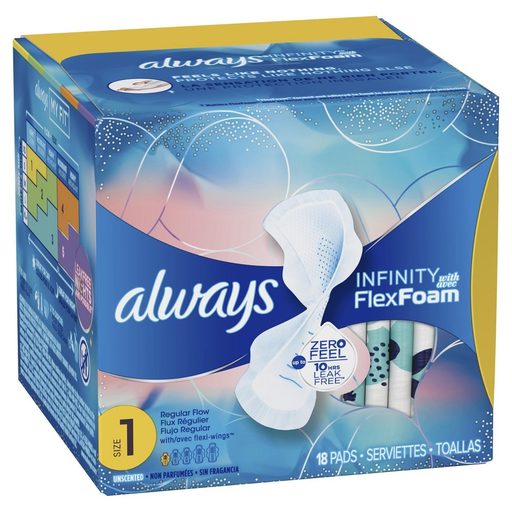
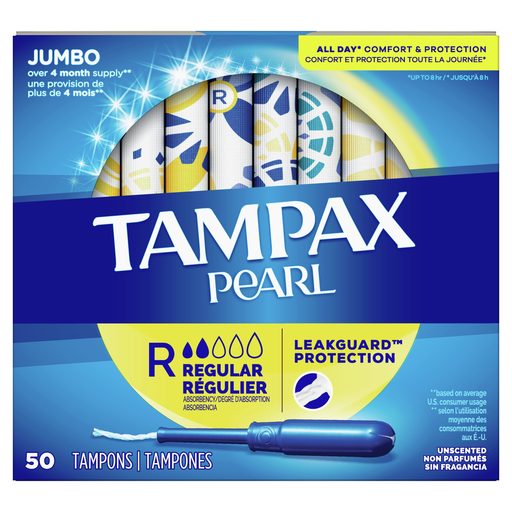

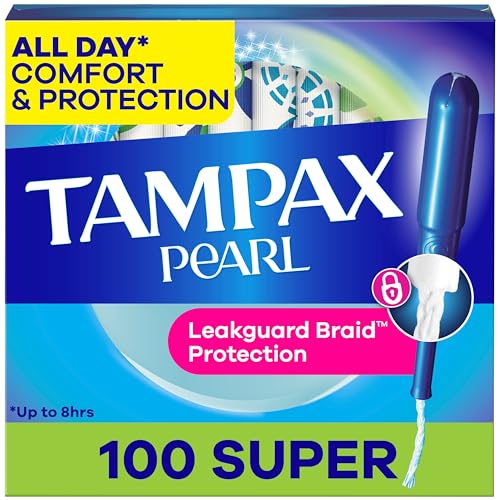

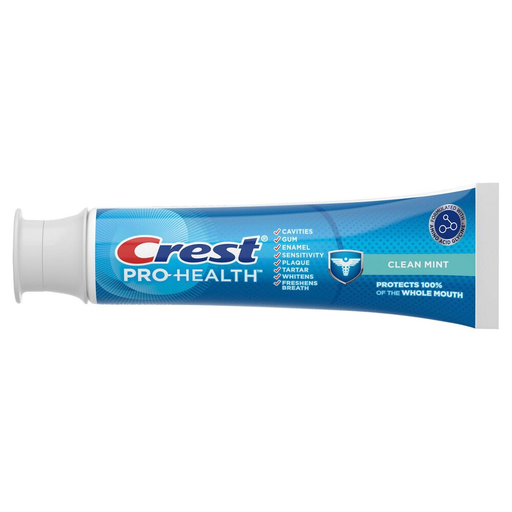

+ 8 more products in the Scout app
Scan any product to see every ingredient explained — and healthier swaps.
Download on theApp Store GET IT ONGoogle Play