

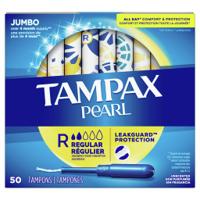


Tampax Pearl Tampons Light
At a glance
Summary
Tampax Pearl Tampons Light scores 31/100. Independent lab testing cited in Barton v. The Procter & Gamble Company (active litigation) detected ~0.243 µg lead per tampon at Light absorbency. Ingredients per packaging: cotton, rayon, polypropylene, polyethylene, polyester, glycerin, paraffin, ethoxylated fatty acid esters, PEG-100 stearate, titanium dioxide — plus plastic applicator and LeakGuard braid. Rayon/cotton core is non-organic; synthetic channeling fibers and TiO₂ in prolonged internal contact. OEKO-TEX Standard 100; fragrance-free. Owned by Procter & Gamble.
Contaminants 1
Source: Independent third-party laboratory testing
Lead 0.243 µg per tampon Moderate
A moderate level of lead — elevated enough to be a real sourcing concern; cleaner-tested options exist.
Lead detected at ~0.243 µg per tampon in independent lab testing cited in Barton v. The Procter & Gamble Company (active litigation).
Key ingredients 5
Rayon + Cotton Blend (Non-Organic)Bad
Rayon is a semi-synthetic fiber derived from chemically processed wood pulp. Its manufacturing can produce trace levels of dioxins and furans. The cotton is not organically grown, meaning potential exposure to pesticide residues including glyphosate, which has been detected in conventional cotton tampons in peer-reviewed studies.
See more about Rayon + Cotton Blend (Non-Organic) →Polypropylene + Polyethylene (Synthetic Fibers in Body)Bad
Synthetic plastic fibers woven into the tampon body for fluid channeling and smooth removal. These are in prolonged contact with vaginal mucosa for 4-8 hours per use. Organic cotton tampons achieve the same function without synthetic fibers.
See more about Polypropylene + Polyethylene (Synthetic Fibers in Body) →Ethoxylated Fatty Acid Esters + PEG-100 StearateBad
Two ethoxylated ingredients that carry contamination risk from 1,4-dioxane, a probable human carcinogen and byproduct of the ethoxylation manufacturing process. Present in a product with prolonged vaginal mucosal contact where absorption rates are significantly higher than skin.
See more about Ethoxylated Fatty Acid Esters + PEG-100 Stearate →Paraffin Wax + Glycerin
Petroleum-derived paraffin wax and glycerin used as processing aids. Lower-priority concerns compared to the ethoxylated ingredients and TiO2, but petroleum derivatives where natural alternatives exist.
See more about Paraffin Wax + Glycerin →Titanium DioxideNeutral
Mineral pigment and UV filter in topical use — not the ingestion-risk context.
See more about Titanium Dioxide →Get the full breakdown in the Scout appTake Scout shopping
Scan any product to see lab results, healthy alternatives, and your personalized analysis.
Download on theApp Store GET IT ONGoogle PlayAmazon pricing & content
Amazon price as of . Product prices and availability are accurate as of the date/time indicated and are subject to change. Any price and availability information displayed on Amazon.com at the time of purchase will apply to the purchase of this product.
CERTAIN CONTENT THAT APPEARS ON THIS SITE COMES FROM AMAZON. THIS CONTENT IS PROVIDED “AS IS” AND IS SUBJECT TO CHANGE OR REMOVAL AT ANY TIME.