
Ingredient
Polypropylene + Polyethylene (Synthetic Fibers in Body)
What is Polypropylene + Polyethylene (Synthetic Fibers in Body)?
Polypropylene and polyethylene are synthetic polymers commonly used to make various types of plastics and fibers. They are produced by polymerizing propylene and ethylene, respectively, using catalysts under controlled conditions.
These synthetic fibers are used in a variety of products, including feminine care items, due to their durability and resistance to moisture. Health evidence specific to these fibers in body products is limited, but they are generally regarded as stable and inert when used appropriately.
When you see polypropylene and polyethylene on a label, it usually indicates that the product includes components made from these synthetic materials, which are valued for their strength and longevity.
Commonly found in: feminine care products, disposable diapers, sanitary pads, non-woven fabrics
What to watch
- Microplastics from these fibers may contribute to environmental pollution.
- Some individuals may experience irritation from synthetic fibers, though this is rare.
Benefits
- Synthetic fibers are durable and long-lasting, often used for their moisture resistance.
Polypropylene and polyethylene are FDA-approved for various uses in consumer products.
Research indicates that while these polymers are generally safe, the impact of microplastic proliferation is still under study.
As synthetic materials derived from petrochemicals, they are not animal-derived and accepted as vegan.
Scout's take
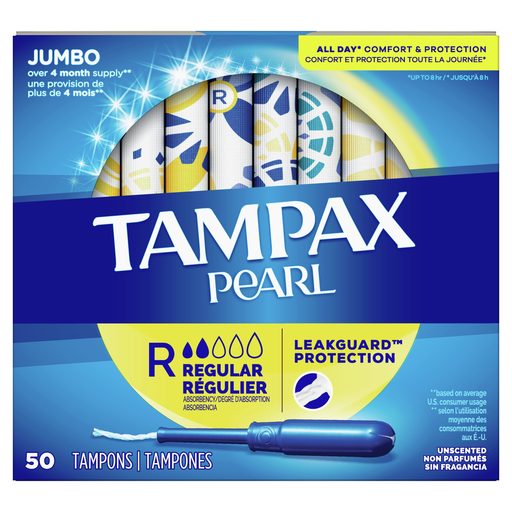
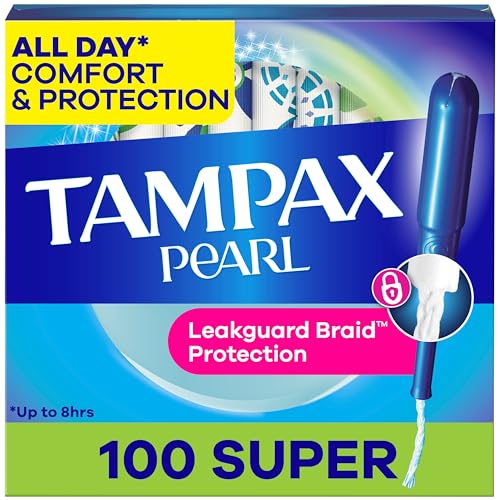
Synthetic plastic fibers woven into the tampon body for fluid channeling and smooth removal. These are in prolonged contact with vaginal mucosa for 4-8 hours per use. Organic cotton tampons achieve the same function without synthetic fibers.
Found in 4 products


Scan any product to see every ingredient explained — and healthier swaps.
Download on theApp Store GET IT ONGoogle Play