




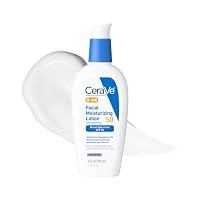

CeraVe Sunscreen Stick SPF 50
At a glance
Summary
This sunscreen stick contains beneficial ingredients like zinc oxide and titanium dioxide, which are mineral UV filters known for their broad-spectrum protection and suitability for sensitive skin. It also includes ceramides and hyaluronic acid, which support skin hydration and barrier function. However, the presence of BHT, a controversial synthetic antioxidant, and the processed nature of the product slightly lower its overall rating.
Key ingredients 13
CeramidesVery Good
Ceramides are lipids that help restore and maintain the skin's natural barrier. They are essential for retaining moisture and protecting the skin from environmental damage. Ceramides are well-tolerated and beneficial for all skin types.
Risks
There are no significant risks associated with ceramides, as they are naturally occurring in the skin.
Benefits
They improve skin hydration and barrier function, making them excellent for dry or sensitive skin.
Zinc OxideGood
Zinc Oxide is a mineral sunscreen agent known for its broad-spectrum UV protection. It is effective in protecting the skin from both UVA and UVB rays. It is often recommended for sensitive skin due to its gentle nature.
Risks
There are minimal risks associated with Zinc Oxide, primarily related to potential whitening effect on the skin.
Benefits
It is a stable and effective sunscreen ingredient that provides excellent protection without irritating the skin.
Hyaluronic AcidGood
Hyaluronic Acid is a powerful humectant that attracts and retains moisture in the skin. It is known for its ability to hold up to 1000 times its weight in water, making it highly effective for hydration. It is suitable for all skin types and helps improve skin texture and elasticity.
Risks
There are minimal risks associated with Hyaluronic Acid, as it is naturally found in the skin.
Benefits
It provides intense hydration and plumps the skin, reducing the appearance of fine lines and wrinkles.
Titanium DioxideNeutral
Titanium Dioxide is a mineral sunscreen agent that provides broad-spectrum UV protection. It is generally considered safe and effective for use in sunscreens. However, its effectiveness can be reduced if not properly formulated.
Risks
There are concerns about inhalation risks in powder form, but these are not applicable in cream or stick formulations.
Benefits
It offers protection against both UVA and UVB rays, making it a reliable choice for sun protection.
SilicaNeutral
Silica is used as a thickening agent and to improve the texture of cosmetic products. It helps to absorb sweat and oil, providing a matte finish. It is generally considered safe for use in cosmetics.
Risks
Inhalation of silica particles in powder form can pose respiratory risks, but this is not a concern in stick formulations.
Benefits
It helps control shine and oiliness, making it beneficial for oily skin types.
Stearic AcidNeutral
Stearic Acid is a fatty acid used as an emulsifier and thickening agent in cosmetics. It helps stabilize formulations and improve texture. It is generally considered safe for use in skincare products.
Risks
There are minimal risks associated with Stearic Acid, though it may cause irritation in very sensitive individuals.
Benefits
It helps maintain the stability and consistency of the product, ensuring even application.
CarbomerNeutral
Carbomer is a synthetic polymer used to thicken and stabilize cosmetic formulations. It helps create a smooth and gel-like texture. It is considered safe for use in cosmetics and skincare products.
Risks
There are minimal risks associated with Carbomer, though it may cause mild irritation in sensitive individuals.
Benefits
It enhances the texture and stability of the product, improving user experience.
TriethoxycaprylylsilaneNeutral
Triethoxycaprylylsilane is a silicone-based compound used to improve the dispersion of mineral sunscreens. It enhances the spreadability and feel of the product. It is generally considered safe for use in cosmetics.
Risks
There are minimal risks associated with this ingredient, primarily related to potential skin sensitivity.
Benefits
It improves the application and effectiveness of mineral sunscreens, ensuring even coverage.
Isostearic AcidNeutral
Isostearic Acid is a fatty acid used as an emulsifier and thickening agent in cosmetics. It helps stabilize formulations and improve texture. It is generally considered safe for use in skincare products.
Risks
There are minimal risks associated with Isostearic Acid, though it may cause irritation in very sensitive individuals.
Benefits
It helps maintain the stability and consistency of the product, ensuring even application.
Sodium Lauroyl LactylateNeutral
Sodium Lauroyl Lactylate is a mild surfactant and emulsifier used in cosmetics. It helps improve the texture and spreadability of products. It is considered safe and gentle for use in skincare formulations.
Risks
There are minimal risks associated with this ingredient, though it may cause mild irritation in sensitive individuals.
Benefits
It enhances the texture and application of the product, making it more pleasant to use.
Xanthan GumNeutral
Xanthan Gum is a natural thickening agent used to stabilize and improve the texture of cosmetic products. It is derived from fermented sugars and is considered safe for use in skincare. It helps create a smooth and even application.
Risks
There are minimal risks associated with Xanthan Gum, though it may cause mild irritation in very sensitive individuals.
Benefits
It improves the consistency and stability of the product, enhancing user experience.
DimethiconeBad
Occlusive silicone film-former — flagged under clean-beauty doctrine.
Risks
There is a potential for buildup on the skin, which may lead to clogged pores in some individuals.
Benefits
It enhances the product's feel and application, making it smoother and more pleasant to use.
BHTBad
BHT (Butylated Hydroxytoluene) is a synthetic antioxidant used to extend the shelf life of products. It is controversial due to potential health concerns, including skin irritation and endocrine disruption. Its use is restricted in some countries due to these concerns.
Risks
There are potential risks of skin irritation and hormonal disruption with prolonged use.
Benefits
It helps prevent the oxidation of ingredients, maintaining product efficacy over time.
Get the full breakdown in the Scout appTake Scout shopping
Scan any product to see lab results, healthy alternatives, and your personalized analysis.
Download on theApp Store GET IT ONGoogle PlayAmazon pricing & content
Amazon price as of . Product prices and availability are accurate as of the date/time indicated and are subject to change. Any price and availability information displayed on Amazon.com at the time of purchase will apply to the purchase of this product.
CERTAIN CONTENT THAT APPEARS ON THIS SITE COMES FROM AMAZON. THIS CONTENT IS PROVIDED “AS IS” AND IS SUBJECT TO CHANGE OR REMOVAL AT ANY TIME.