


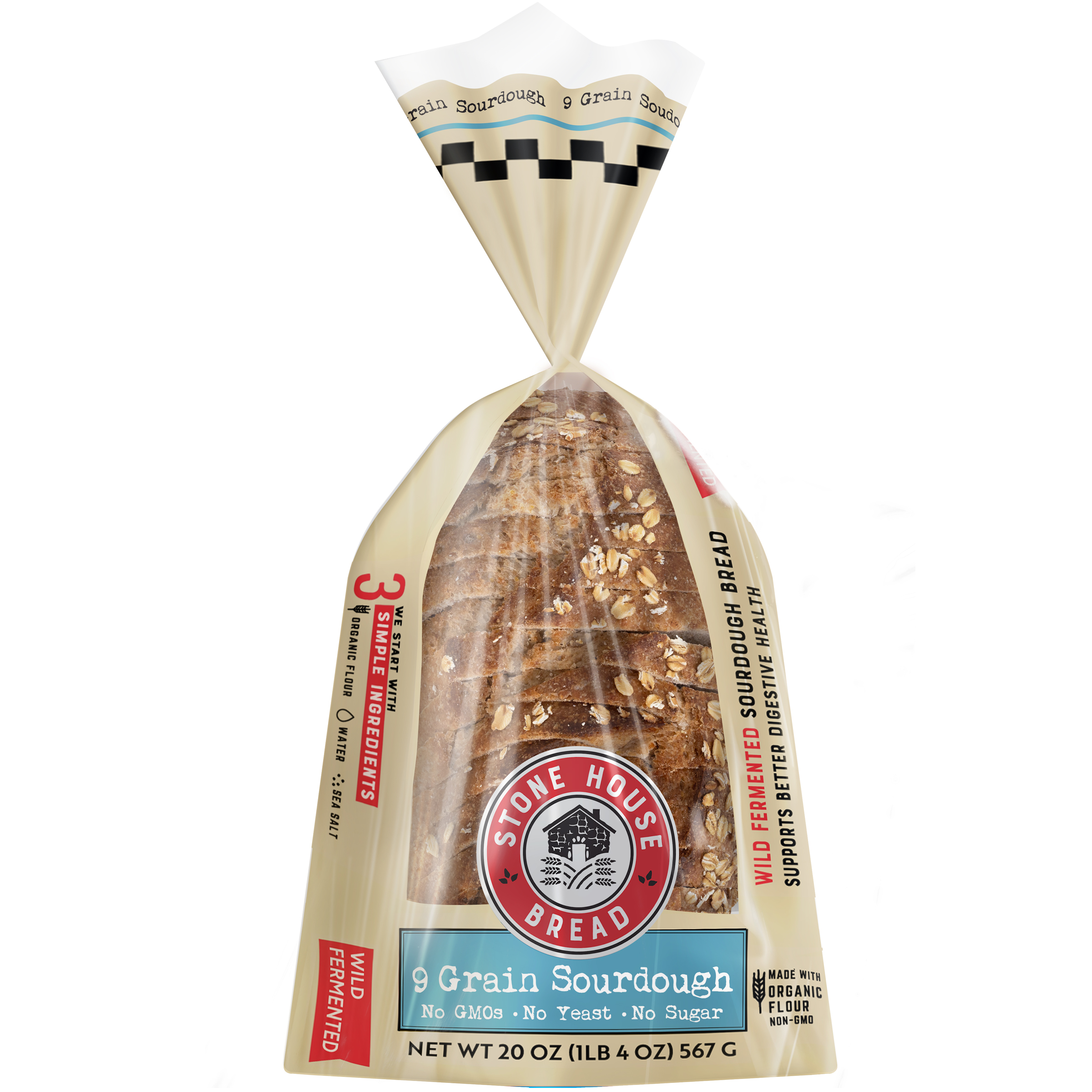

Rosemary sourdough bread
Analysis updated August 2026 · How Scout scores
At a glance
Summary
This rosemary sourdough bread features a clean ingredient list with beneficial components like sourdough starter, fresh rosemary, and whole wheat flour, which contribute to its nutritional value and flavor. The use of natural ingredients and minimal additives enhances its health profile, although the presence of multiple types of flour and the processing level limit its score. Overall, it is a healthier option compared to many processed breads, but the processing level prevents it from reaching the highest score range.
Key ingredients 12
Chopped fresh rosemaryVery Good
Rosemary is an herb with antioxidant and anti-inflammatory properties. It adds flavor and aroma to the bread without the need for artificial additives. Fresh rosemary contains compounds that may improve cognitive function.
Benefits
Provides antioxidants and may support brain health and reduce inflammation.
Sourdough starterGood
Sourdough starter is a natural leavening agent that enhances the flavor and texture of bread. It contains beneficial bacteria and yeast that can improve gut health. The fermentation process may also reduce gluten content, making it easier to digest.
Benefits
Contains probiotics that support digestive health and may improve nutrient absorption.
High protein flourGood
High protein flour provides essential amino acids necessary for muscle repair and growth. It contributes to the bread's structure and chewiness. The higher protein content can also enhance satiety.
Risks
May contain gluten, which can be a concern for individuals with celiac disease or gluten sensitivity.
Benefits
Rich in protein, supporting muscle health and providing a satisfying texture.
Freshly ground whole wheatGood
Whole wheat flour is a source of dietary fiber and essential nutrients. It is less processed than white flour, retaining the bran and germ. This contributes to better digestive health and sustained energy release.
Risks
Contains gluten, which may be problematic for those with gluten intolerance.
Benefits
Rich in fiber, supporting digestive health and providing essential nutrients.
MilkGood
Milk adds richness and moisture to bread, enhancing flavor and texture. It provides calcium and vitamin D, supporting bone health. The lactose in milk can also contribute to browning during baking.
Risks
May cause allergic reactions in individuals with lactose intolerance or milk allergies.
Benefits
Provides essential nutrients like calcium and vitamin D, supporting bone health.
HoneyGood
Honey is a natural sweetener with antioxidant properties. It adds flavor and moisture to bread without the need for refined sugars. Honey also has antimicrobial properties that can extend shelf life.
Risks
High in sugars, which can contribute to blood sugar spikes if consumed in excess.
Benefits
Provides natural sweetness and antioxidants, supporting overall health.
Spring waterNeutral
Spring water is used as a solvent in the bread-making process. It is generally free from contaminants and additives. Its role is primarily functional, providing moisture and aiding in the mixing of ingredients.
See more about Spring water →Unbleached all purpose flourNeutral
Unbleached all purpose flour is a versatile ingredient used in baking. It retains more nutrients compared to bleached flour due to minimal processing. However, it is still a refined carbohydrate with limited nutritional value.
Risks
May contribute to blood sugar spikes if consumed in excess.
Benefits
Provides structure and texture to baked goods.
Bread flourNeutral
Bread flour is high in protein, which helps develop gluten structure in bread. It is essential for achieving the desired texture and volume in baked goods. However, it is a refined flour with limited nutritional benefits.
Risks
May cause blood sugar spikes if consumed in large quantities.
Benefits
Contributes to the texture and structure of bread.
Lukewarm waterNeutral
Lukewarm water is used to activate yeast and aid in the mixing process. It is a basic component in bread-making with no nutritional impact. Its temperature helps in achieving optimal yeast activity.
Instant yeastNeutral
Instant yeast is a leavening agent that helps bread rise. It is convenient and fast-acting, requiring no prior activation. It contributes to the bread's texture and volume.
Benefits
Facilitates the rising process, improving bread texture.
OilNeutral
Oil is used to improve the texture and shelf life of bread. It adds moisture and can enhance the crumb structure. The type of oil used can affect the nutritional profile, but it is unspecified here.
Risks
Potential health risks depend on the type of oil used; some oils may be high in unhealthy fats.
Benefits
Improves texture and extends shelf life of baked goods.
Processing
Processed Foods
Get the full breakdown in the Scout appTake Scout shopping
Scan any product to see lab results, healthy alternatives, and your personalized analysis.
Download on theApp Store GET IT ONGoogle PlayAmazon pricing & content
Amazon price as of . Product prices and availability are accurate as of the date/time indicated and are subject to change. Any price and availability information displayed on Amazon.com at the time of purchase will apply to the purchase of this product.
CERTAIN CONTENT THAT APPEARS ON THIS SITE COMES FROM AMAZON. THIS CONTENT IS PROVIDED “AS IS” AND IS SUBJECT TO CHANGE OR REMOVAL AT ANY TIME.