
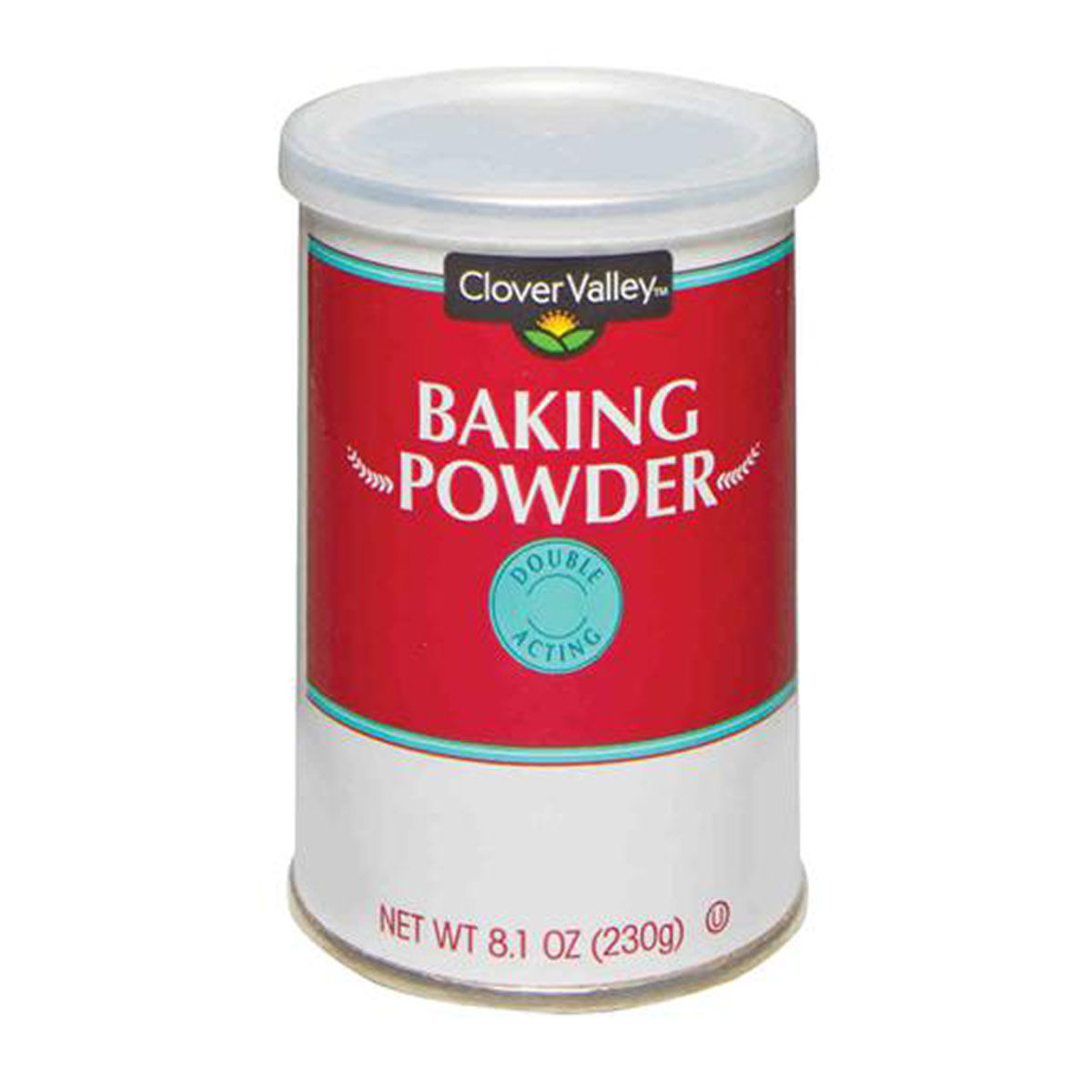

BAKING POWDER
Summary
This baking powder contains sodium aluminum sulfate, which raises concerns due to potential neurotoxic effects associated with aluminum intake. The product is processed and includes several additives, which further impacts its health rating. Despite its functionality in baking, the presence of synthetic compounds and the level of processing limit its score.
At a glance
Key ingredients 4
CornstarchNeutral
Cornstarch is used as a filler and anti-caking agent in baking powder. It is a refined carbohydrate with no significant nutritional value. It helps to keep the baking powder dry and free-flowing.
See more about Cornstarch →Sodium BicarbonateNeutral
Sodium bicarbonate acts as a leavening agent in baking powder. It is a basic compound that reacts with acids to produce carbon dioxide gas, which helps dough rise. It is generally recognized as safe when used in typical culinary applications.
Risks
Excessive consumption may lead to alkalosis or electrolyte imbalances.
Sodium Aluminium SulfateBad
Sodium aluminium sulfate is used as an acidulant in baking powder. It is a synthetic compound that can contribute to the aluminum content in the diet. Concerns exist about aluminum's potential neurotoxic effects, especially with high intake.
Risks
High intake of aluminum compounds may be linked to neurotoxicity and other health concerns.
Monocalcium PhosphateNeutral
Monocalcium phosphate is another acidulant used in baking powder. It reacts with sodium bicarbonate to produce carbon dioxide for leavening. It is generally recognized as safe and contributes calcium to the diet.
Benefits
Provides a small amount of calcium, which is essential for bone health.
Processing
Processed Foods
Get the full breakdown in the Scout app
Scan any product to see lab results, healthy alternatives, and your personalized analysis.
Download on theApp Store