
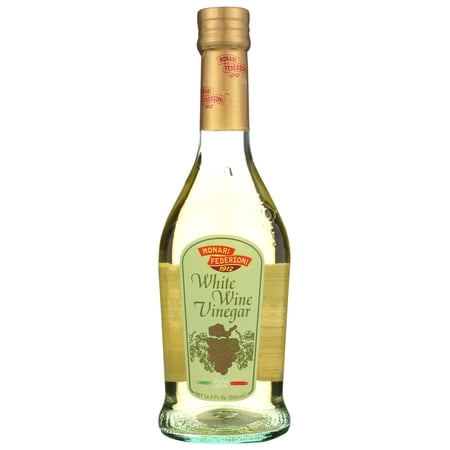
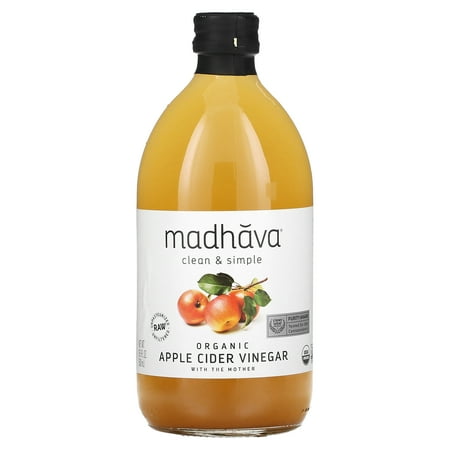
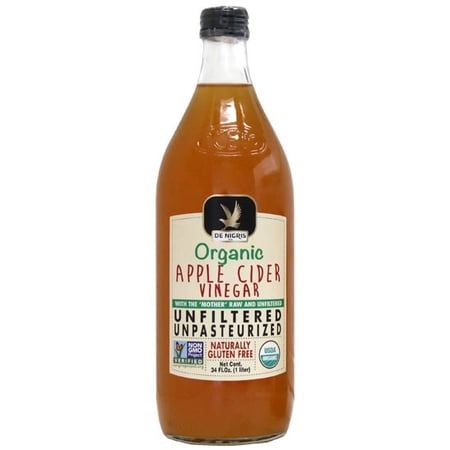

White vinegar
Analysis updated July 2026 · How Scout scores
At a glance
Summary
White vinegar is composed of water and acetic acid, reflecting minimal processing and a clean ingredient list. As a simple, unprocessed product, it lacks harmful additives or preservatives, making it a healthy choice within its category.
Key ingredients 2
WaterNeutral
Water is a neutral ingredient that serves as a solvent in many food products. It is essential for the dilution and stabilization of acetic acid in vinegar. There are no processing concerns associated with water in this context.
See more about Water →Acetic AcidNeutral
Acetic acid is the primary component that gives vinegar its characteristic sour taste. It is produced through the fermentation of ethanol by acetic acid bacteria. In moderate amounts, it is generally safe and used in culinary applications.
Risks
Excessive consumption may cause digestive discomfort or tooth enamel erosion.
Benefits
May have antimicrobial properties and can aid in food preservation.
Processing
Unprocessed or Minimally Processed Foods
Get the full breakdown in the Scout appTake Scout shopping
Scan any product to see lab results, healthy alternatives, and your personalized analysis.
Download on theApp Store GET IT ONGoogle PlayAmazon pricing & content
Amazon price as of . Product prices and availability are accurate as of the date/time indicated and are subject to change. Any price and availability information displayed on Amazon.com at the time of purchase will apply to the purchase of this product.
CERTAIN CONTENT THAT APPEARS ON THIS SITE COMES FROM AMAZON. THIS CONTENT IS PROVIDED “AS IS” AND IS SUBJECT TO CHANGE OR REMOVAL AT ANY TIME.