
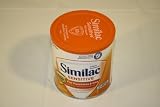

Similac Sensitive Advance with Early Shield, Infant Formula with Iron, Powder, 12.6-ounces
Analysis updated September 2026 · How Scout scores
At a glance
Summary
This infant formula contains beneficial ingredients such as nonfat milk, lactose, and whey protein concentrate, which provide essential nutrients for infant growth and development. However, the inclusion of soy oil, a seed oil high in omega-6 fatty acids, and soy lecithin, a processed emulsifier, raises concerns due to potential inflammatory effects and allergen presence. The formula is moderately processed, which is typical for infant formulas, but these ingredient concerns impact its overall healthfulness.
Key ingredients 15
Whey Protein ConcentrateGood
Whey protein concentrate is a high-quality protein source with a complete amino acid profile, supporting muscle and tissue development. It is derived from milk and is easily digestible for infants. It enhances the nutritional profile of the formula.
Benefits
Supports muscle and tissue development with a complete amino acid profile.
Coconut OilGood
Beneficial ingredient — whole-food or functional value in this product class.
Benefits
Provides MCTs for quick energy and supports infant development.
GalactooligosaccharidesGood
Galactooligosaccharides are prebiotics that promote the growth of beneficial gut bacteria, supporting digestive health. They are derived from lactose and mimic the function of human milk oligosaccharides. They enhance the formula's ability to support a healthy gut microbiome.
Benefits
Supports digestive health by promoting beneficial gut bacteria.
Schizochytrium Sp. OilGood
Schizochytrium sp. oil is a source of DHA, an omega-3 fatty acid crucial for brain and eye development in infants. It is derived from microalgae, providing a sustainable and vegetarian source of DHA. Its inclusion supports cognitive and visual development.
Benefits
Provides DHA for brain and eye development, supporting cognitive and visual health.
Beta-CaroteneGood
Beta-carotene is a precursor to vitamin A, essential for vision and immune function. It is a natural antioxidant that supports overall health. Its inclusion in infant formula helps ensure adequate vitamin A intake.
Benefits
Supports vision and immune function as a precursor to vitamin A.
LuteinGood
Lutein is a carotenoid that supports eye health and development, particularly in infants. It is naturally found in breast milk and is important for retinal health. Its inclusion in formula helps support visual development.
Benefits
Supports eye health and development, particularly retinal health.
Ascorbic AcidGood
Ascorbic acid, or vitamin C, is essential for immune function and collagen synthesis. It acts as an antioxidant, protecting cells from damage. Its inclusion in formula supports overall health and development.
Benefits
Supports immune function and collagen synthesis, acting as an antioxidant.
Nonfat MilkNeutral
Standard formulation ingredient — neither beneficial nor harmful at typical use.
Benefits
Provides essential nutrients like protein and calcium, supporting growth and bone health.
LactoseNeutral
Standard formulation ingredient — neither beneficial nor harmful at typical use.
Benefits
Supports energy needs and promotes healthy gut flora in infants.
High Oleic Safflower OilNeutral
High oleic safflower oil is used for its monounsaturated fat content, which is more stable and less inflammatory than regular safflower oil. It is processed to reduce linoleic acid, making it suitable for infant formulas. It provides a source of fat necessary for energy and development.
Benefits
Provides stable monounsaturated fats that support energy needs and development.
M. Alpina OilNeutral
M. alpina oil is a source of arachidonic acid (ARA), an omega-6 fatty acid important for brain and muscle development. It is derived from fungi and is included to mimic the fatty acid profile of breast milk. It supports infant growth and development.
Benefits
Supports brain and muscle development with ARA, mimicking breast milk.
Potassium CitrateNeutral
Potassium citrate is used to regulate acidity and provide potassium, an essential mineral for heart and muscle function. It is generally recognized as safe for use in infant formulas. It helps maintain electrolyte balance.
Benefits
Helps maintain electrolyte balance and supports heart and muscle function.
Calcium CarbonateNeutral
Standard formulation ingredient — neither beneficial nor harmful at typical use.
Benefits
Supports bone and teeth development by providing essential calcium.
Soy LecithinBad
Soy lecithin is an emulsifier derived from soybeans, used to stabilize the formula. It is a processed ingredient that may contain traces of allergens. Its use is common in processed foods but raises concerns for those with soy allergies.
Risks
May contain traces of allergens and is a processed ingredient.
Soy OilVery Bad
Soy oil is a seed oil high in omega-6 fatty acids, which can promote inflammation when consumed in excess. It is heavily processed, which may introduce harmful compounds. Its inclusion in infant formula is concerning due to potential long-term health impacts.
Risks
High omega-6 content may promote inflammation and is heavily processed.
Processing
Processed Foods
Get the full breakdown in the Scout appTake Scout shopping
Scan any product to see lab results, healthy alternatives, and your personalized analysis.
Download on theApp Store GET IT ONGoogle Play