
Ingredient
Vitamin C
What is Vitamin C?
Vitamin C is a water-soluble vitamin also known as ascorbic acid. It is found naturally in various fruits and vegetables, particularly citrus fruits. In manufacturing, it is often synthesized through a fermentation process using corn glucose, resulting in a purified form used in supplements and as a food additive.
Vitamin C is primarily used for its antioxidant properties and to enhance the immune system. It is an essential nutrient that the body cannot produce on its own, hence the need for dietary intake. Evidence supports its role in reducing the duration of common colds, though it doesn't prevent them. High doses may lead to gastrointestinal discomfort.
When seen on labels, Vitamin C may be serving multiple roles: as a nutrient to boost product health credentials and as a preservative due to its antioxidant properties.
Commonly found in: Dietary supplements, Fortified foods, Beverages, Skincare products, Processed foods as a preservative
What to watch
- High doses can cause diarrhea and gastrointestinal discomfort.
Benefits
- Essential for the growth and repair of tissues in all parts of the body.
- Helps in the absorption of iron from plant-based foods.
- Known for its antioxidant properties, which protect cells from damage.
Vitamin C is recognized as Generally Recognized As Safe (GRAS) when used in accordance with good manufacturing practices.
Research has largely confirmed its benefits in immune support and as an antioxidant, though its effect on cold prevention is minimal.
Vitamin C is typically vegan as it is synthetically derived from plant sources like corn.
Scout's take
Vitamin C is essential for collagen synthesis and acts as a potent antioxidant, protecting the skin from damage. It is typically derived from natural sources like citrus fruits, ensuring high bioavailability. Its role in boosting the immune system and enhancing skin radiance is well-documented.
The case against
In rare cases, it may cause irritation or redness, particularly in sensitive skin.
from the analysis of Maui Babe Browning LotionThe case for
Enhances collagen synthesis and supports immune health due to its antioxidant properties.
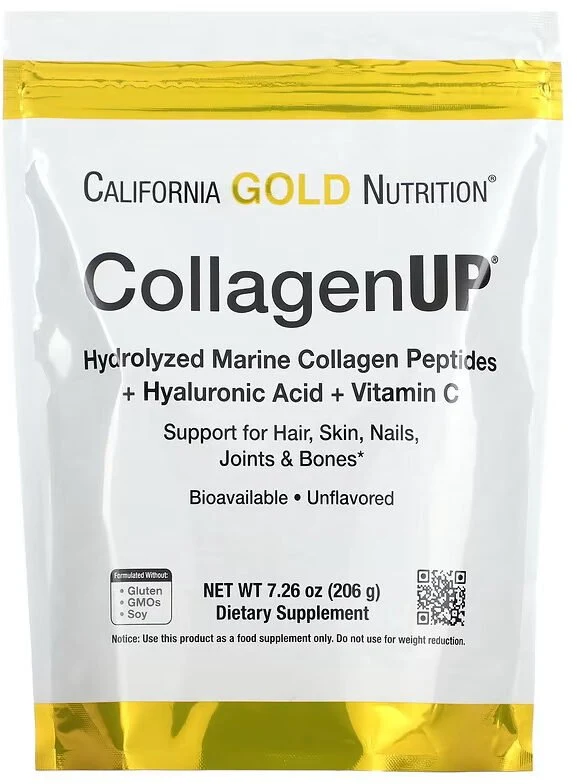
from the analysis of Rule One Proteins Multi-Source Collagen + Vitamin C and Hyaluronic Acid UnflavoredSupports immune function and acts as an antioxidant, contributing to overall health.
from the analysis of Honest Kids Organic Apple Juice DrinkSupports immune function and acts as an antioxidant, protecting cells from damage.
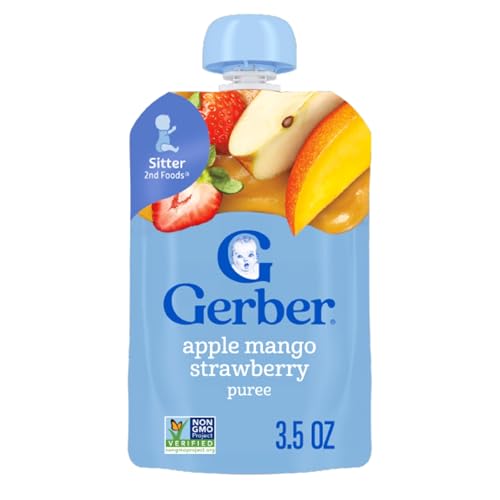
from the analysis of Gerber Toddler Apple Mango & Strawberry Fruit Squeezable PureeIt brightens the skin and supports collagen production.
from the analysis of Maui Babe Browning LotionMore from Scout's analyses
Vitamin C is a powerful antioxidant that plays a crucial role in immune function. It helps protect cells from damage by free radicals and supports the production of collagen. This vitamin is essential for the repair of tissues and the enzymatic production of certain neurotransmitters.
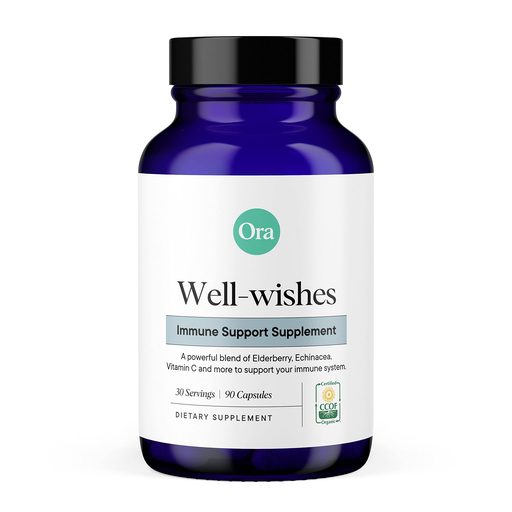
from the analysis of Ora Well-wishes Immune Support Supplement BottleVitamin C is a crucial nutrient that supports immune function and acts as a powerful antioxidant. It is often included in supplements to enhance the body's defense mechanisms. This vitamin is essential for collagen synthesis and helps improve iron absorption from plant-based foods.
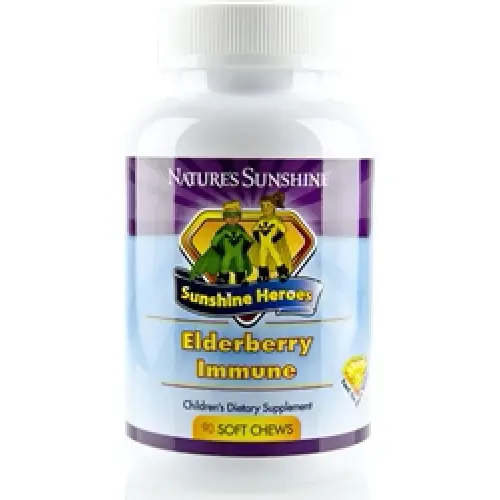
from the analysis of Natures Sunshine Childrens Elderberry Immune GummiesVitamin C is a powerful antioxidant that supports immune health and collagen synthesis. It is essential for the repair of tissues and the enzymatic production of certain neurotransmitters. Regular intake can help reduce the duration of colds and improve skin health.
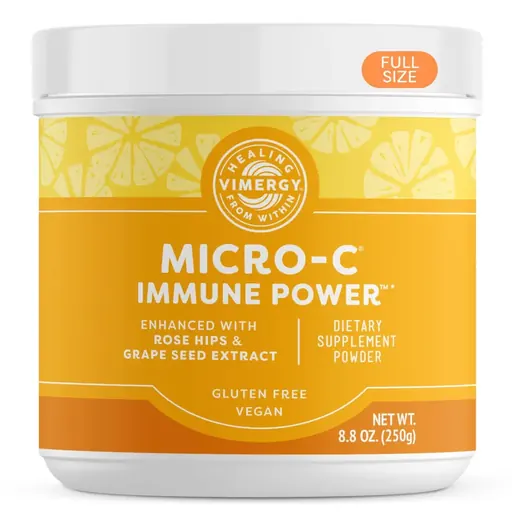
from the analysis of Micro-C Immune Power PowderFound in 11 products




Scan any product to see every ingredient explained — and healthier swaps.
Download on theApp Store GET IT ONGoogle Play