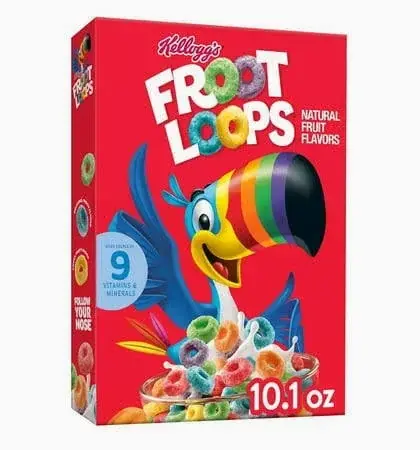
Kellogg's Froot Loops
Swap it for
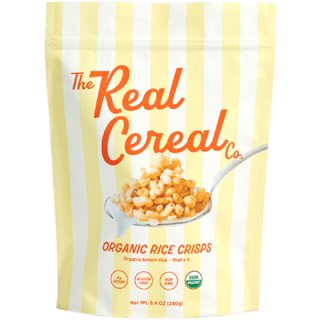
 The Real Cereal Co. Organic Rice Crisps The Real Cereal Co. · 3 pack View on Amazon See all Cereal, ranked
At a glance
Summary
Kellogg's Froot Loops scores 8/100. EWG 2018-2019 detected glyphosate at 120 ppb. Beyond the herbicide residue, the deck packs four synthetic petroleum-based dyes (Red 40, Yellow 5, Yellow 6, Blue 1) linked to attention and behavior issues in children, hydrogenated coconut/soybean/cottonseed oil, and BHT in the packaging. Bioengineered ingredients confirmed.
Contaminants 1
Source: EWG
Glyphosate 120 ppb Moderate
Detected at a moderate level — a meaningful amount worth factoring in if this product is eaten regularly. Glyphosate is classified as a probable human carcinogen by IARC, and glyphosate-residue-free supply chains exist — so its presence reflects ingredient sourcing.
EWG 2018-2019 oat-based food testing detected glyphosate at 120 ppb.
Key ingredients 26
Vegetable OilVery Bad
Vegetable oil, including hydrogenated coconut, soybean, and/or cottonseed oil, is high in omega-6 fatty acids and may contain trans fats. These oils are highly processed and can contribute to inflammation. They are often used for their stability and cost-effectiveness in processed foods.
Risks
High omega-6 content may promote inflammation when consumed in excess. Hydrogenation can introduce trans fats, which are linked to heart disease.
Red 40Very Bad
Red 40 is an artificial dye used to enhance the color of processed foods. It is synthetically produced and has been linked to hyperactivity in children. It is often criticized for its potential health risks.
Risks
May cause allergic reactions and has been associated with hyperactivity in children.
Yellow 5Very Bad
Yellow 5 is an artificial color additive used to enhance the appearance of food. It is synthetically produced and has been linked to allergic reactions. It is often used in processed foods for visual appeal.
Risks
May cause allergic reactions and has been associated with hyperactivity in children.
Blue 1Very Bad
Blue 1 is an artificial dye used to color food products. It is synthetically produced and has been linked to allergic reactions. It is used to enhance the visual appeal of processed foods.
Risks
May cause allergic reactions and has been associated with hyperactivity in children.
Yellow 6Very Bad
Yellow 6 is an artificial color used to enhance the appearance of food. It is synthetically produced and has been linked to allergic reactions. It is commonly used in processed foods for its vibrant color.
Risks
May cause allergic reactions and has been associated with hyperactivity in children.
SugarBad
Refined sugar is a high-calorie ingredient with no essential nutrients. It can contribute to weight gain and increase the risk of chronic diseases when consumed in excess. It is often used to enhance sweetness in processed foods.
Risks
Excessive consumption can lead to obesity, type 2 diabetes, and dental cavities.
Wheat FlourBad
Refined grain flour stripped of bran and germ.
Risks
May cause allergic reactions in individuals with gluten intolerance or celiac disease.
Benefits
Provides carbohydrates for energy but lacks significant nutritional benefits when refined.
Modified Food StarchBad
Chemically modified starch additive.
See more about Modified Food Starch →MaltodextrinBad
Maltodextrin is a highly processed carbohydrate used as a thickener and filler in processed foods. It has a high glycemic index, which can cause spikes in blood sugar levels. It is often used to improve texture and shelf life.
Risks
May cause rapid spikes in blood sugar levels, which can be a concern for individuals with insulin sensitivity.
Natural FlavorBad
Natural flavor is a catch-all term for flavoring agents derived from natural sources. It is highly processed and lacks transparency regarding its specific components. It is used to enhance taste without providing nutritional benefits.
Risks
Lack of transparency can be a concern for individuals with allergies or sensitivities.
BHTBad
BHT is a synthetic antioxidant used to preserve freshness in processed foods. It is chemically produced and has been linked to potential health concerns. It is used to extend shelf life by preventing oxidation.
Risks
May cause allergic reactions and has been linked to potential carcinogenic effects in high doses.
Degerminated Yellow Corn FlourNeutral
Degerminated yellow corn flour is processed to remove the germ, reducing its nutritional content. It is primarily a source of carbohydrates with limited fiber and protein. It is often used for texture and bulk in processed foods.
Benefits
Provides carbohydrates for energy but lacks significant nutritional benefits.
Oat FiberNeutral
Oat fiber is added to increase the fiber content of processed foods. It is derived from the outer layer of oats and is minimally processed. It contributes to digestive health but provides no other significant nutrients.
Benefits
Adds dietary fiber, which can aid in digestion and promote satiety.
SaltNeutral
Salt is used to enhance flavor and preserve food. It is a common ingredient in many processed foods. While necessary for bodily functions, excessive intake can lead to health issues.
Risks
High sodium intake can contribute to hypertension and cardiovascular disease.
Benefits
Essential for maintaining fluid balance and nerve function in the body.
Soluble Corn FiberNeutral
Soluble corn fiber is used to increase fiber content in processed foods. It is a prebiotic fiber that can support gut health. It is derived from corn and is moderately processed.
Benefits
May support digestive health by promoting the growth of beneficial gut bacteria.
Reduced IronNeutral
Reduced iron is added to fortify foods with iron, an essential mineral. It is used to prevent iron deficiency anemia. It is a common fortification in processed foods.
Risks
Excessive iron intake can lead to toxicity, especially in individuals with hemochromatosis.
Benefits
Helps prevent iron deficiency anemia by providing a source of dietary iron.
Vitamin B6Neutral
Vitamin B6 is an essential nutrient that supports brain health and energy metabolism. It is added to foods to enhance nutritional value. It plays a role in the production of neurotransmitters and red blood cells.
Benefits
Supports brain health and energy metabolism, contributing to overall well-being.
Vitamin B2Neutral
Vitamin B2, also known as riboflavin, is essential for energy production and cellular function. It is added to foods to enhance nutritional content. It helps in the conversion of food into energy.
Benefits
Supports energy production and cellular function, contributing to overall health.
Vitamin B1Neutral
Vitamin B1, also known as thiamin, is essential for energy metabolism and nerve function. It is added to foods to enhance nutritional value. It plays a role in the conversion of carbohydrates into energy.
Benefits
Supports energy metabolism and nerve function, contributing to overall health.
Folic AcidNeutral
Folic acid is a form of vitamin B9 used to fortify foods. It is essential for DNA synthesis and cell division. It is commonly added to processed foods to prevent neural tube defects during pregnancy.
Risks
Excessive intake can mask vitamin B12 deficiency symptoms.
Benefits
Essential for DNA synthesis and cell division, particularly important during pregnancy.
Whole Grain Yellow Corn FlourGood
Whole grain yellow corn flour is a source of dietary fiber and essential nutrients. It is minimally processed, retaining more nutrients compared to refined flours. It contributes to digestive health and provides a moderate amount of protein.
Benefits
Provides dietary fiber which aids in digestion and helps maintain healthy cholesterol levels.
Whole Grain Oat FlourGood
Whole grain oat flour is a nutritious ingredient rich in dietary fiber and essential nutrients. It is minimally processed, retaining its beneficial compounds. It supports heart health and aids in digestion.
Benefits
Rich in beta-glucans, which can help lower cholesterol levels and improve heart health.
Vitamin CGood
Vitamin C is an essential nutrient that supports immune function and acts as an antioxidant. It is added to foods to enhance nutritional value. It helps in the absorption of iron and the maintenance of healthy skin.
Benefits
Supports immune function and acts as an antioxidant, protecting cells from damage.
NiacinamideGood
Vitamin B3 — evidence-backed skin and metabolic benefits.
Benefits
Supports energy metabolism and contributes to healthy skin.
Vitamin D3Good
Beneficial ingredient — whole-food or functional value in this product class.
Benefits
Supports calcium absorption and bone health, contributing to overall well-being.
Vitamin B12Good
Beneficial ingredient — whole-food or functional value in this product class.
Benefits
Supports nerve function and the production of red blood cells, contributing to overall health.
Processing
Ultra-Processed Foods
Get the full breakdown in the Scout appTake Scout shopping
Scan any product to see lab results, healthy alternatives, and your personalized analysis.
Are you Kellogg's? Fix an error Get the badge Get tested
Amazon pricing & content
CERTAIN CONTENT THAT APPEARS ON THIS SITE COMES FROM AMAZON. THIS CONTENT IS PROVIDED “AS IS” AND IS SUBJECT TO CHANGE OR REMOVAL AT ANY TIME.