
Ingredient
Yellow 5
What is Yellow 5?
Yellow 5, also known as Tartrazine, is a synthetic lemon yellow azo dye used as a food coloring. It is produced through a chemical process that combines aromatic hydrocarbons from crude oil, resulting in a brightly colored compound.
This coloring is frequently used to enhance the visual appeal of a variety of food and beverage products, ranging from soft drinks and candy to condiments and processed snacks. Some studies have suggested potential links between Yellow 5 and allergic reactions, particularly in individuals sensitive to aspirin or those with asthma, but the evidence is mixed. Controversy also exists around its possible connection to hyperactivity in children, although many authoritative reviews have found insufficient evidence to confirm this.
When seeing Yellow 5 on a label, individuals concerned about food dyes should consider their personal sensitivity and any known allergies. It is also worth noting that regulations may differ in other countries regarding the labeling of this ingredient.
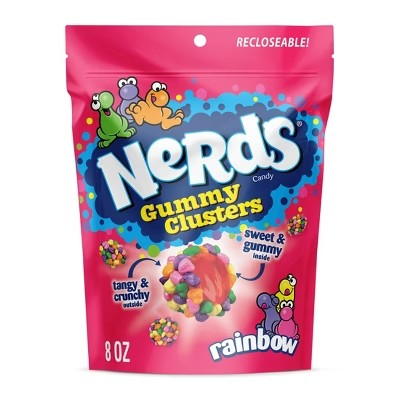
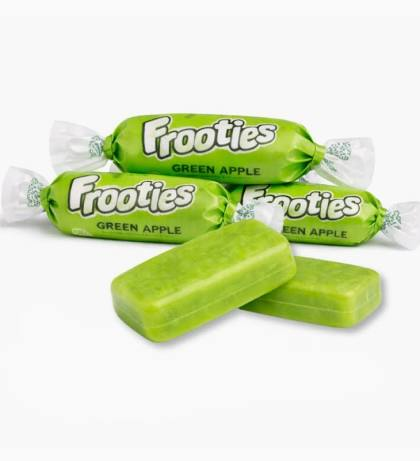
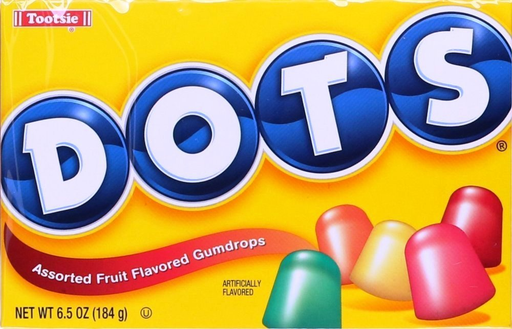
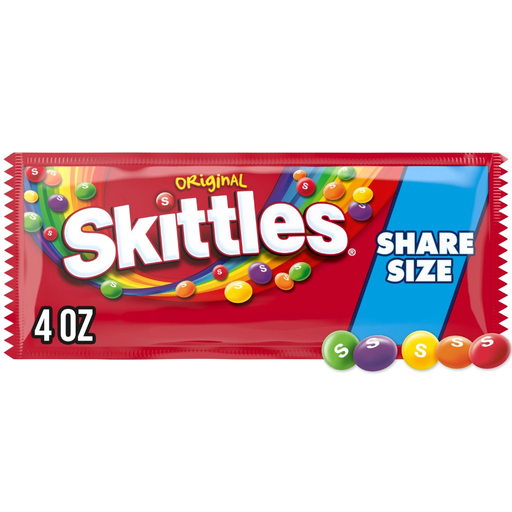
Commonly found in: candies, soft drinks, baked goods, cereals, snack foods, desserts
What to watch
- Yellow 5 has been associated with allergic reactions in some individuals, particularly those with aspirin sensitivity.
- There is ongoing debate about its possible connection to hyperactivity in children, although evidence is mixed.
Yellow 5 is approved for use in food products by the FDA. However, products containing it must declare it on the label due to potential allergenicity.
Research on the health effects of Yellow 5 is mixed, with some studies suggesting allergic reactions and behavioral impacts, while others find no significant evidence.
Yellow 5 is synthetically produced and is generally considered vegan-friendly as it does not derive from animal sources.
Sources: Food Additive Status List · Hyperactivity and Other Neurobehavioral Effects of Food Dyes
Scout's take
Petroleum-derived synthetic dye (tartrazine).
The case against
Potential links to hyperactivity and allergic reactions in sensitive individuals.
from the analysis of Altoids Spearmint Curiously Strong Mints 1.76 oz · echoed in 1 other analysisMay cause hyperactivity and allergic reactions; potential health risks.
from the analysis of Fruity PebblesMore from Scout's analyses
Petroleum-derived artificial dye (Tartrazine) linked to hyperactivity, allergic reactions, and potential carcinogenicity.
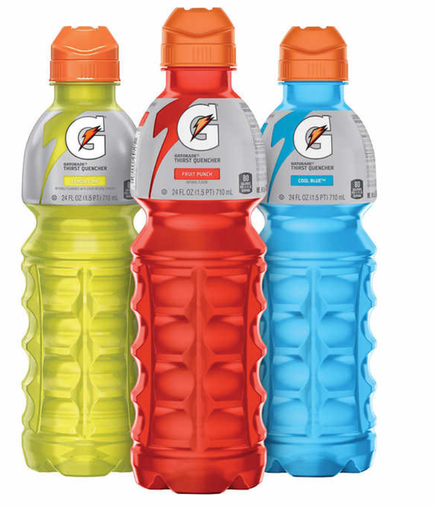
from the analysis of Gatorade Thirst QuencherPart of Colors. Artificial colors like Yellow 5, Yellow 6, and Red 40 are used to enhance appearance but have been linked to hyperactivity in children. They are synthetic additives with no nutritional value. Their use is controversial due to potential health concerns.
from the analysis of Old El Paso Stand 'N Stuff Bold Nacho Cheese Flavored Taco ShellsYellow 5 is an artificial dye that can cause hyperactivity and allergic reactions. It is a synthetic colorant with potential health risks. Its use is controversial due to safety concerns.
from the analysis of Fruity PebblesFound in 18 products

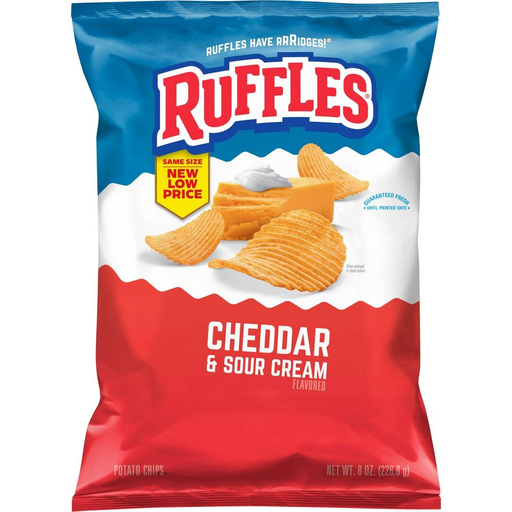


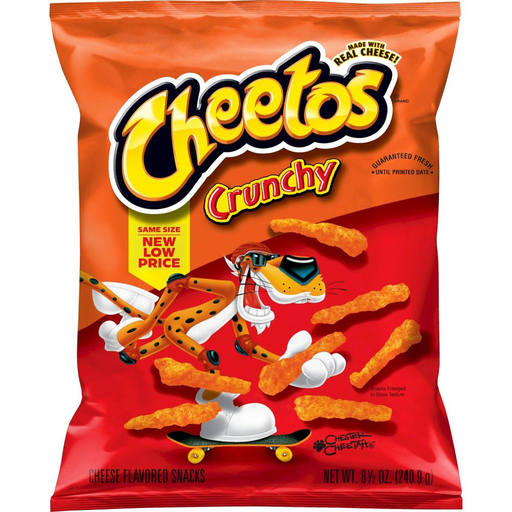
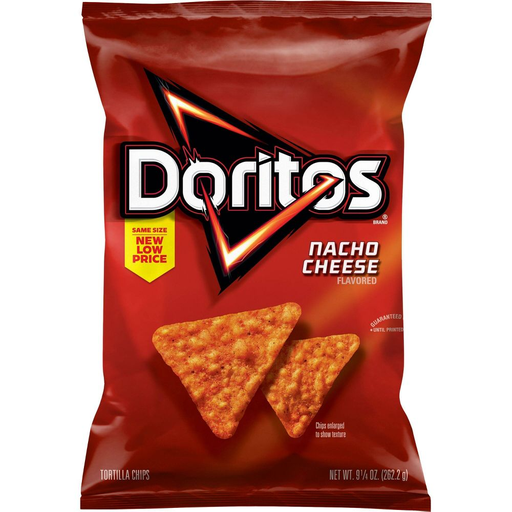
Scan any product to see every ingredient explained — and healthier swaps.
Download on theApp Store GET IT ONGoogle Play