Utz BAKED CHEDDAR CHEESE BALLS
Swap it for
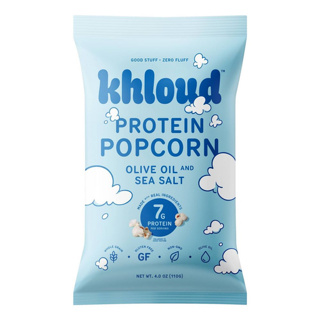
 Khloud Protein Popcorn Khloud · 1 oz · 18 pack View on Amazon · $49.50 See all Chips & Salty Snacks, ranked
At a glance
Summary
The Baked Cheddar Cheese Balls are heavily penalized due to their use of industrial seed oils, artificial dyes, and multiple processed additives. The presence of ingredients like Yellow #5 and Yellow #6, which are controversial artificial dyes, along with maltodextrin and mono and diglycerides, contributes to a high level of processing. This product's ingredient profile and processing level place it in the ultra-processed category, similar to other low-scoring snacks like Doritos.
Key ingredients 19
Vegetable OilVery Bad
Vegetable oil, including cottonseed, corn, canola, sunflower, and safflower oils, is high in omega-6 fatty acids. These oils are highly processed and can promote inflammation when consumed in excess. They are extracted using high heat and chemicals, which can degrade their nutritional quality.
Risks
High omega-6 content may promote inflammation and is linked to various chronic diseases.
Yellow #6Very Bad
Yellow #6 is an artificial dye used for coloring. It is petroleum-derived and has been linked to hyperactivity in children. It is banned or requires warning labels in some countries due to potential health risks.
Risks
Linked to hyperactivity and potential allergic reactions.
Yellow #5Very Bad
Yellow #5 is an artificial dye used for coloring. It is petroleum-derived and has been associated with hyperactivity and allergic reactions. It is banned or requires warning labels in some countries due to potential health risks.
Risks
Linked to hyperactivity and potential allergic reactions.
MaltodextrinBad
Maltodextrin is a highly processed carbohydrate used as a thickener or filler. It has a high glycemic index, which can spike blood sugar levels. It is often derived from genetically modified corn.
Risks
May cause rapid spikes in blood sugar levels and is often derived from GMO sources.
Mono and DiglyceridesBad
Mono and diglycerides are emulsifiers used to improve texture and shelf life. They are often derived from partially hydrogenated oils, which can contain trans fats. Their processing can introduce unwanted chemical residues.
Risks
May contain trans fats and chemical residues from processing.
Natural FlavorBad
Natural flavors are used to enhance taste but are often highly processed. They can contain a variety of chemical compounds and lack transparency. The term 'natural' does not guarantee safety or health benefits.
Risks
Lack of transparency and potential for containing unwanted chemical compounds.
Disodium PhosphateBad
Disodium phosphate is used as an emulsifier and stabilizer. It is a synthetic additive that can affect mineral balance in the body. Excessive consumption can lead to imbalances in calcium and phosphorus levels.
Risks
May disrupt mineral balance and contribute to kidney issues if consumed in excess.
Autolyzed Yeast ExtractBad
Autolyzed yeast extract is used as a flavor enhancer and contains free glutamates. It is similar to MSG and can cause reactions in sensitive individuals. It is highly processed and lacks nutritional benefits.
Risks
May cause reactions similar to MSG in sensitive individuals.
Disodium InosinateBad
Disodium inosinate is a flavor enhancer often used with MSG. It is a synthetic additive that can cause reactions in sensitive individuals. It is highly processed and lacks nutritional benefits.
Risks
May cause reactions similar to MSG in sensitive individuals.
Disodium GuanylateBad
Disodium guanylate is a flavor enhancer often used with MSG. It is a synthetic additive that can cause reactions in sensitive individuals. It is highly processed and lacks nutritional benefits.
Risks
May cause reactions similar to MSG in sensitive individuals.
Artificial FlavorBad
Processed additive flagged under Scout's ingredient doctrine.
Risks
Lack of transparency and potential for containing unwanted chemical compounds.
Corn MealNeutral
Corn meal is a basic grain product used as a base for many snacks. It provides carbohydrates but lacks significant nutritional benefits. It is often processed and may lack fiber compared to whole corn.
Risks
May contribute to high glycemic load and is often genetically modified.
Benefits
Provides a source of carbohydrates for energy.
WheyNeutral
Whey is a byproduct of cheese production and is a source of protein. It is generally considered a good source of amino acids but is not the primary protein source in this product. It may contain lactose, which can be problematic for those with lactose intolerance.
Risks
May cause digestive issues for those with lactose intolerance.
Benefits
Provides a source of protein and essential amino acids.
SaltNeutral
Salt is used as a seasoning and preservative. It enhances flavor but does not provide significant nutritional benefits. Excessive consumption can lead to high blood pressure.
Risks
Excessive intake can contribute to hypertension and cardiovascular issues.
Benefits
Enhances flavor and acts as a preservative.
Buttermilk SolidsNeutral
Buttermilk solids are used for flavor and texture. They are derived from buttermilk and provide a tangy flavor. However, they are used in small amounts and do not contribute significantly to nutrition.
Risks
May contain lactose, which can be problematic for those with lactose intolerance.
Benefits
Enhances flavor and provides a tangy taste.
Lactic AcidNeutral
Lactic acid is used as a preservative and flavoring agent. It is naturally occurring and generally recognized as safe. It helps to maintain acidity and prevent spoilage.
Benefits
Helps preserve food and maintain acidity.
Cheddar CheeseGood
Beneficial ingredient — whole-food or functional value in this product class.
Risks
Contains saturated fats and sodium, which should be consumed in moderation.
Benefits
Provides calcium and protein, contributing to bone health.
MilkfatGood
Beneficial ingredient — whole-food or functional value in this product class.
Risks
High in saturated fat, which can contribute to heart disease if consumed in excess.
Benefits
Enhances flavor and texture, providing a creamy mouthfeel.
Whey Protein ConcentrateGood
Beneficial ingredient — whole-food or functional value in this product class.
Risks
May cause digestive issues for those with lactose intolerance.
Benefits
Provides a source of high-quality protein and essential amino acids.
Processing
Ultra-Processed Foods
Get the full breakdown in the Scout appTake Scout shopping
Scan any product to see lab results, healthy alternatives, and your personalized analysis.
Are you Utz? Fix an error Get the badge Get tested
Amazon pricing & content
Amazon price for Khloud Protein Popcorn as of . Product prices and availability are accurate as of the date/time indicated and are subject to change. Any price and availability information displayed on Amazon.com at the time of purchase will apply to the purchase of this product.
CERTAIN CONTENT THAT APPEARS ON THIS SITE COMES FROM AMAZON. THIS CONTENT IS PROVIDED “AS IS” AND IS SUBJECT TO CHANGE OR REMOVAL AT ANY TIME.