Corporacion Cressida YUMMIES, ZAMBOS, PLANTAIN CHIPS
Swap it for
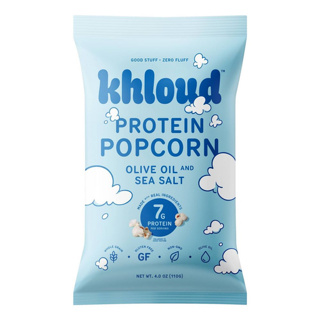
 Khloud Protein Popcorn Khloud · 1 oz · 18 pack View on Amazon · $49.50 See all Chips & Salty Snacks, ranked
At a glance
Summary
This product is heavily penalized due to its ultra-processed nature and the presence of multiple harmful ingredients. It contains partially hydrogenated soybean oil, which is a source of trans fats linked to heart disease, and artificial dyes that are controversial for their potential health impacts. Additionally, the use of palm oil and artificial flavors further detracts from its nutritional quality, placing it in the lower range for packaged snacks.
Key ingredients 25
Partially hydrogenated soybean oilVery Bad
Partially hydrogenated soybean oil contains trans fats, which are linked to heart disease. It is a highly processed oil with negative health impacts. Trans fats are banned or restricted in many countries due to their health risks.
Risks
Trans fats increase the risk of heart disease and other health issues.
Yellow 5Very Bad
Yellow 5 is a synthetic dye used to color foods. It is associated with hyperactivity in children and allergic reactions. It is a petroleum-derived additive with no nutritional benefits.
Risks
May cause hyperactivity and allergic reactions in sensitive individuals.
Yellow 6 - aluminum lakeVery Bad
Yellow 6 - aluminum lake is a synthetic dye used for coloring. It is linked to hyperactivity and allergic reactions in some individuals. It is a highly processed additive with no nutritional benefits.
Risks
May cause hyperactivity and allergic reactions in sensitive individuals.
Red 40 - aluminum lakeVery Bad
Red 40 - aluminum lake is a synthetic dye used in food products. It is associated with hyperactivity and allergic reactions. It is a petroleum-derived additive with no nutritional benefits.
Risks
May cause hyperactivity and allergic reactions in sensitive individuals.
TBHQVery Bad
TBHQ is a synthetic preservative used to extend shelf life. It is associated with potential health risks, including cancer and liver enlargement in animal studies. It is a highly processed additive with no nutritional benefits.
Risks
Linked to potential cancer risk and liver issues in animal studies.
Palm oilBad
Palm oil is a commonly used cooking oil high in saturated fats. It is often criticized for its environmental impact due to deforestation. The high saturated fat content can contribute to heart disease if consumed in excess.
Risks
High saturated fat content may increase the risk of heart disease.
Benefits
Palm oil is stable at high temperatures, making it suitable for frying.
Wheat flourBad
Refined grain flour stripped of bran and germ.
Risks
May cause allergic reactions or digestive issues in gluten-sensitive individuals.
Benefits
Provides carbohydrates and some protein, contributing to energy intake.
Monosodium glutamateBad
Monosodium glutamate (MSG) is a flavor enhancer that can cause adverse reactions in sensitive individuals. It is often associated with 'Chinese Restaurant Syndrome,' though scientific evidence is mixed. Overuse can lead to excessive sodium intake.
Risks
May cause headaches, nausea, or other symptoms in sensitive individuals.
Benefits
Enhances the savory flavor of foods, making them more palatable.
Hydrolyzed soy proteinBad
Hydrolyzed soy protein is a processed form of soy used to enhance flavor. It may contain MSG or similar compounds, which can cause adverse reactions. It is a highly processed ingredient with potential allergenic properties.
Risks
May cause allergic reactions or sensitivity due to MSG content.
Benefits
Enhances flavor and provides some protein content.
Caramel colorBad
Caramel color is a food coloring made by heating sugar, often used in processed foods. It may contain contaminants like 4-MEI, which is a potential carcinogen. It is a highly processed additive with no nutritional benefits.
Risks
Potential presence of 4-MEI, a possible carcinogen, raises health concerns.
MaltodextrinBad
Maltodextrin is a highly processed carbohydrate used as a thickener or filler. It has a high glycemic index, which can spike blood sugar levels. It provides no significant nutritional benefits beyond calories.
Risks
May cause blood sugar spikes and contribute to insulin resistance.
Artificial flavorBad
Artificial flavors are synthetic compounds used to mimic natural flavors. They are highly processed and may contain undisclosed chemicals. They provide no nutritional benefits and can contribute to food sensitivities.
Risks
May cause allergic reactions or sensitivities in some individuals.
SugarBad
Sugar is a refined carbohydrate that provides quick energy. Excessive consumption can lead to obesity, diabetes, and other health issues. It is a highly processed ingredient with no essential nutrients.
Risks
Excessive intake can lead to obesity, diabetes, and dental issues.
Benefits
Provides quick energy but lacks essential nutrients.
PlantainNeutral
Plantains are a starchy fruit similar to bananas, often used as a carbohydrate source. They provide some vitamins and minerals but are primarily a source of carbohydrates. When fried, they can absorb significant amounts of oil, impacting their health profile.
Risks
Frying plantains can increase calorie content and reduce nutritional value.
Benefits
Plantains are a source of dietary fiber and some vitamins like vitamin C and B6.
SaltNeutral
Salt is used to enhance flavor in foods. It is essential for bodily functions but can contribute to high blood pressure if consumed in excess. The type of salt used here is not specified as unrefined, so it lacks additional trace minerals.
Risks
Excessive salt intake can lead to hypertension and cardiovascular issues.
Benefits
Salt is necessary for maintaining fluid balance and nerve function.
CornstarchNeutral
Cornstarch is a refined carbohydrate used as a thickening agent. It provides no significant nutritional benefits beyond calories. It is highly processed and lacks fiber and nutrients found in whole grains.
Risks
High glycemic index may affect blood sugar levels.
Benefits
Useful as a thickening agent in cooking and baking.
Citric acidNeutral
Citric acid is a natural preservative and flavor enhancer. It is commonly used to add acidity and preserve freshness in foods. It is generally recognized as safe but can cause irritation in some individuals.
Risks
May cause irritation or allergic reactions in sensitive individuals.
Benefits
Helps preserve food and enhance flavor without significant health risks.
Silicon dioxideNeutral
Silicon dioxide is an anti-caking agent used to prevent clumping in powdered foods. It is generally recognized as safe and used in small quantities. It does not provide nutritional benefits but ensures product consistency.
Benefits
Prevents clumping and maintains product quality.
Concentrated lime juiceNeutral
Concentrated lime juice is used for flavoring and acidity. It provides some vitamin C but is often diluted and processed. It adds flavor without significant calories or nutrients.
Benefits
Adds flavor and some vitamin C, though in limited amounts.
Capsicum oleoresinNeutral
Capsicum oleoresin is a concentrated extract from chili peppers used for flavoring. It contains capsaicin, which may have health benefits but is used in small amounts. It is minimally processed and adds heat to foods.
Risks
May cause irritation or digestive discomfort in sensitive individuals.
Benefits
Contains capsaicin, which may support metabolism and reduce inflammation.
PaprikaGood
Paprika is a spice made from ground peppers, adding flavor and color to dishes. It contains antioxidants and vitamins like vitamin A. It is minimally processed and adds nutritional value to foods.
Benefits
Rich in antioxidants and vitamins, contributing to overall health.
Onion powderGood
Onion powder is a dehydrated form of onion used for flavoring. It retains some of the nutritional benefits of fresh onions, such as antioxidants and vitamins. It is minimally processed and adds flavor without significant calories.
Benefits
Provides flavor and some antioxidants, contributing to overall health.
Garlic powderGood
Garlic powder is a dehydrated form of garlic used for flavoring. It retains some of the health benefits of fresh garlic, such as antimicrobial properties and antioxidants. It is minimally processed and enhances flavor.
Benefits
Contains antioxidants and compounds that may support heart health.
Chili powderGood
Chili powder is a spice blend that adds heat and flavor to dishes. It contains capsaicin, which may have anti-inflammatory and metabolism-boosting properties. It is minimally processed and adds nutritional value.
Risks
May cause irritation or digestive discomfort in sensitive individuals.
Benefits
Contains capsaicin, which may support metabolism and reduce inflammation.
TocopherolsGood
Tocopherols are a form of vitamin E used as a preservative. They have antioxidant properties that help protect cells from damage. They are beneficial for maintaining product freshness and providing nutritional value.
Benefits
Acts as an antioxidant, supporting cell health and product stability.
Processing
Ultra-Processed Foods
Get the full breakdown in the Scout appTake Scout shopping
Scan any product to see lab results, healthy alternatives, and your personalized analysis.
Are you Corporacion Cressida? Fix an error Get the badge Get tested
Amazon pricing & content
Amazon price for Khloud Protein Popcorn as of . Product prices and availability are accurate as of the date/time indicated and are subject to change. Any price and availability information displayed on Amazon.com at the time of purchase will apply to the purchase of this product.
CERTAIN CONTENT THAT APPEARS ON THIS SITE COMES FROM AMAZON. THIS CONTENT IS PROVIDED “AS IS” AND IS SUBJECT TO CHANGE OR REMOVAL AT ANY TIME.